
Roger Marshall’s right on animal welfare. Pork producers should follow him | Opinion
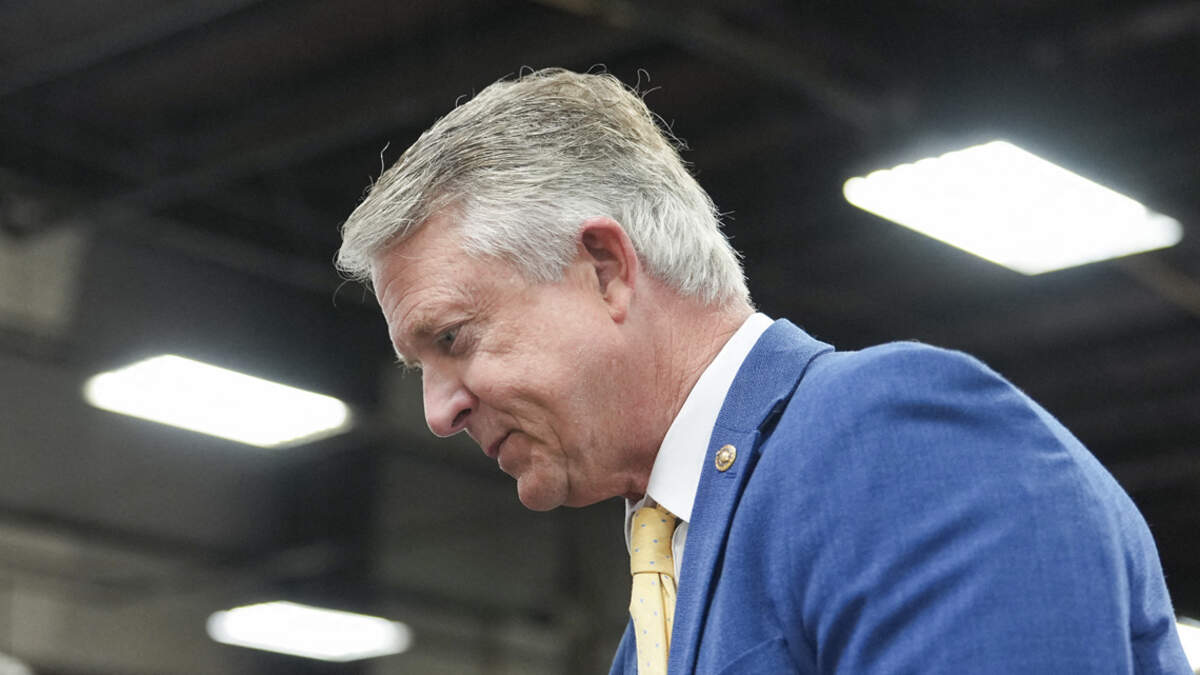
In Washington, D.C., changing your mind can be portrayed as weakness. In reality, it is often a sign of leadership.
That is why Sen. Roger Marshall deserves credit for withdrawing his support from the Food Security and Farm Protection Act, legislation that would override state farm animal welfare laws such as California’s Proposition 12. As a physician, farmer and longtime advocate for agriculture, Marshall understands the challenges facing livestock producers better than most members of Congress. His decision suggests a recognition that continuing the fight against Proposition 12 is no longer serving farmers, consumers or the future of American agriculture.
For years, segments of the pork industry have pursued a strategy centered on overturning state laws they dislike through federal legislation. The effort has taken many forms, from the King Amendment and the Marshall’s own EATS Act, to the Food Security and Farm Protection Act and the House corollary the Save Our Bacon Act, which just passed that chamber as part of the farm bill. Yet despite repeated attempts, the underlying reality has not changed: Americans don’t want Congress overturning democratically approved state laws.
Voters have spoken. The courts have spoken. And perhaps most important, the marketplace has spoken.
Following Sen. Marshall’s decision, Kansas farmer Mike Schultz, founder of the Kansas Cattlemen’s Association and vice president of the Organization for Competitive Markets, praised the move.
“We farmers in western Kansas are really proud of Sen. Marshall for heeding our message that farmers have upgraded their sow housing systems and for protecting their access to California’s humane pork market,” Schultz said.
His point highlights something often overlooked in Washington’s debate over Proposition 12: Many producers have already made the investments necessary to compete in evolving markets. Rather than helping farmers, federal preemption threatens to undermine those investments by changing the rules after the fact.
Meanwhile, opposition to the bill has become remarkably broad. In today’s polarized political climate, Americans rarely agree on much of anything. Yet voices from across the ideological spectrum have lined up against efforts to override state animal welfare laws.
Liberal columnist Nicholas Kristof has criticized federal attempts to nullify standards approved by voters. Centrist commentators such as Kathleen Parker have raised concerns about Congress trampling state authority. Progressive voices including Ezra Klein have questioned why Washington should intervene to erase policies enacted through democratic processes. On the right, commentators such as Laura Ingraham, Tomi Lahren, Mike Cernovich and Glenn Greenwald have likewise spoken out against federal efforts to override state laws. Even faith leaders have joined the opposition.
When conservatives and liberals, animal advocates, federalists and faith leaders all find themselves on the same side of an issue, it is usually worth paying attention.
The reason for this unusual coalition is simple. For many Americans, this debate is no longer primarily about pork production or preventing animal cruelty. It is about respect for state decision-making.
Californians voted for Proposition 12. Massachusetts voters approved a similar measure by an even larger margin. Other states have adopted their own agricultural and animal welfare standards. Americans may disagree about the wisdom of those laws, but many agree that Congress should not erase them whenever a politically connected industry asks for relief.
Sen. Marshall’s decision is significant because it recognizes a broader reality that many in Washington have been slow to acknowledge: The legal fight has failed. The market has adapted. And the coalition supporting federal preemption is shrinking while the coalition opposing it continues to grow.
Roger Marshall recognized that reality. The rest of the pork industry should do the same.
John Cleveland is a senior fellow at Wilberforce Institute. Marty Irbyis president of Competitive Markets Action.