
World Cup will change Kansas City and youth soccer for good | Opinion
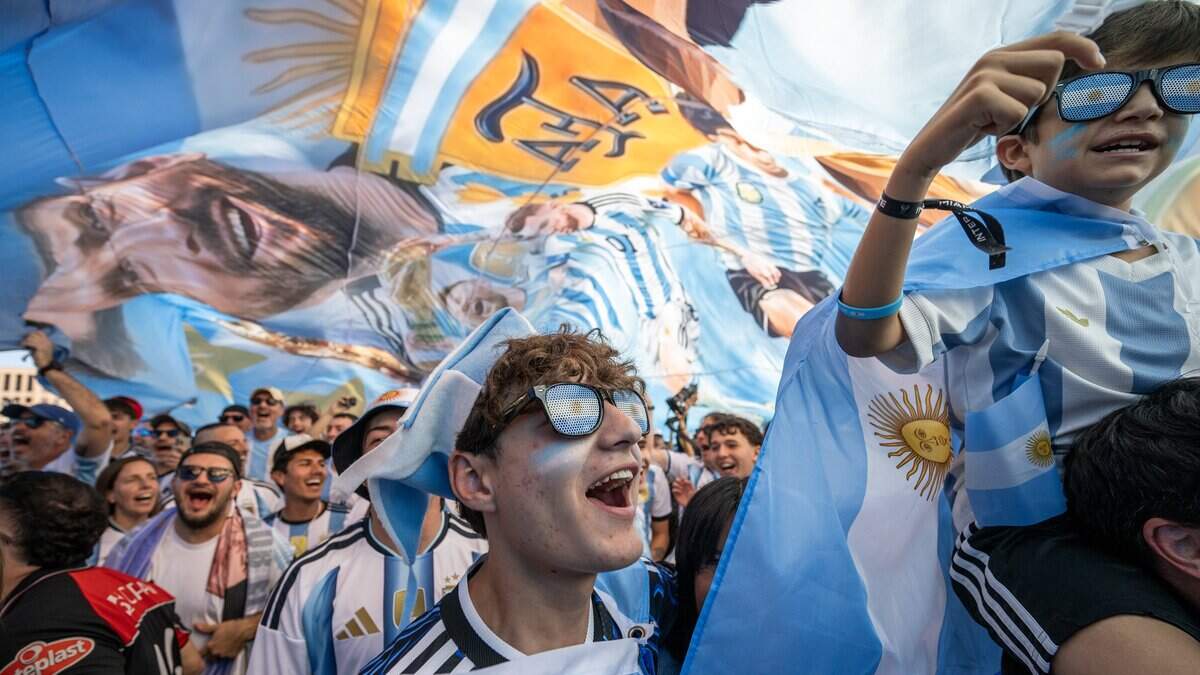
They call soccer the beautiful game for a reason. At its highest level, the sport is art: the precise geometry of a pass toward the goal, the graceful curve of a corner kick.
Beyond the physical aesthetics, the beauty of soccer is its ability to unite communities all over the world.
The FIFA World Cup 2026 matches are now being played in Kansas City and 15 other cities in the U.S., Canada and Mexico. The tournament brings the world’s best teams — projected by various sources to be the largest sporting event ever — and will have a huge social and economic impact on our communities and others across North America.
Here in Kansas City, fans are in for a treat. Among the teams coming to the Kansas City Stadium will be reigning world champions Argentina, led by Lionel Messi and featuring Lautaro Martínez, a lethal striker, making the team’s first effort at defending its title against Algeria, led by Riyad Mahrez. Another team in the group, Ecuador, features Moisés Caicedo, considered one of the premier defensive midfielders in the Premier League.
The World Cup arrives on our shore at an important time for the continued growth of the sport in America. Looking forward, national teams will take to the pitch again in the 2028 Los Angeles Summer Olympics, and the U.S. will co-host the Women’s World Cup in 2031.
You don’t have to go far to witness soccer’s immense popularity. Stop in at the No Other Pub when the Premier League is playing, and you’ll see Kansas City locals rooting for their favorite clubs. Or drive by any town field in Kansas City on a weekend morning, and you’ll likely see players of all ages and backgrounds. Additionally, fans continue rooting for our own MLS team, the KC Current. And last winter, together with Visa and Street Soccer USA, Bank of America opened a street soccer park in Kansas City as part of the host city festivities. These parks feature two professional grade fields, lighting for extended play, learning centers and flexible gathering spaces, and will expand access to soccer for all ages for years to come.
To speak soccer’s universal language all you need is a ball, an open space and love for the game. That’s why we’re working with U.S. Soccer and Soccer Forward Foundation on Soccer at Schools, a program designed to make soccer accessible to every school across the country by 2030.
The sport’s ability to create spaces and opportunities for everyone to share a common interest — the real beauty of the beautiful game — helps explain what institutions, including Bank of America, hope to achieve through support of the FIFA 2026 World Cup.
The numbers tell the story:
- More than 270 million people play soccer worldwide.
- The U.S. Youth Soccer Association reports 3 million young people participate in organized soccer.
- American professional leagues continue to gain strength. Since 2020, 10 American professional men’s and women’s professional league teams moved into new soccer-specific stadiums.
- Major League Soccer sponsorship revenue in 2025 rose an estimated eight percent to $716 million over the previous year, and MLS claims 19 of the world’s 50 most valuable clubs.
- Meanwhile, Forbes estimates that the National Women’s Soccer League has an average franchise value of $134 million, and is attracting high-level individual and institutional investors.
This global spectacle will bring major benefits to its host cities. Fans come to games and related events and spend money in and around stadiums, at nearby restaurants, bars, hotels and retailers — all of which boosts the local economy and creates jobs.
According to Bank of America Institute, last year’s FIFA Club World Cup 2025 — a tournament among the world’s top club teams — drove a 7% year-over-year rise in consumer spending in host ZIP codes, mainly on food and drink.
We expect this summer’s World Cup will have an even greater impact on host city economies. A study by FIFA and the World Trade Organization estimates the boost to the U.S. economy from the 2026 tournament will be around $17 billion.
In Missouri alone, FIFA Kansas City 26, the local organizing committee, projects the World Cup will bring more than 600,000 visitors, $653 million in tax revenue and thousands of jobs to the region.
For all these reasons, social and fiscal alike, we are passionate believers in the benefits the World Cup will bring to our communities and our country. That’s why we are working to foster that spirit as the beautiful game’s signature event comes to our house this year. We happily welcome the rest of the world to join us for the party.
Matt Linski is president of Bank of America Kansas City.