
Former Rep. Tiahrt clashes with Kansas AG Kobach over broadcast merger | Opinion
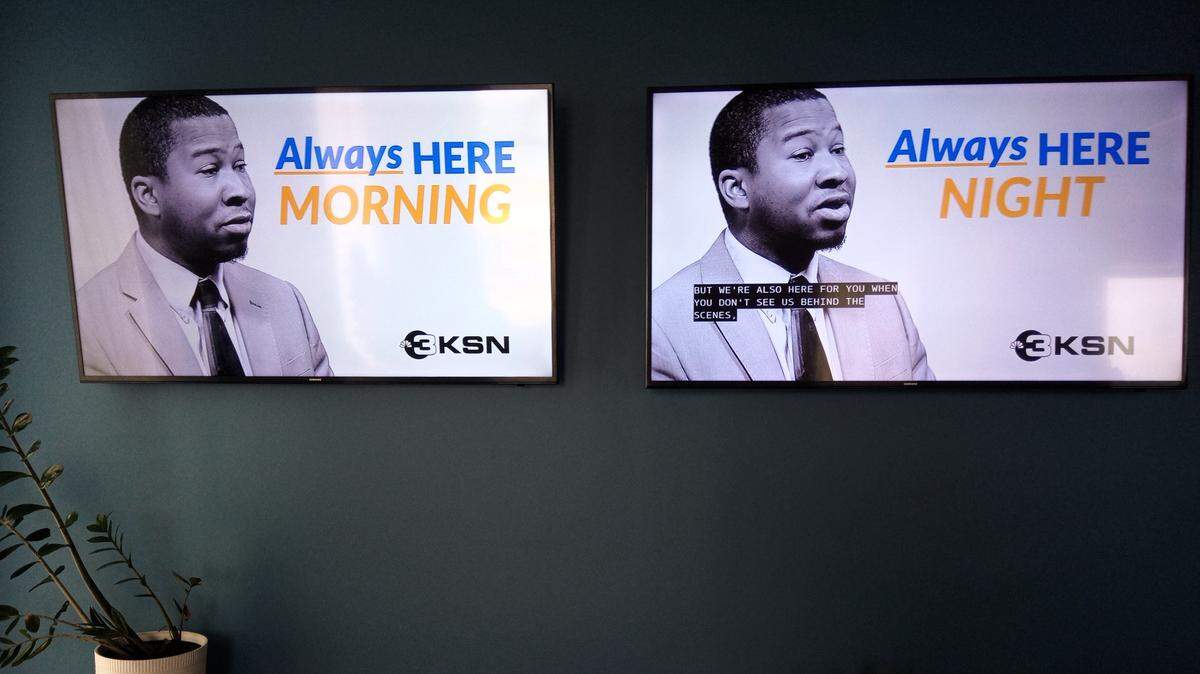
For decades, local broadcasters have played an important role in Kansas communities by delivering severe weather coverage and local reporting on issues directly affecting families across the state.
But like many local institutions, broadcasters now operate in a media environment that has changed dramatically.
Streaming platforms and Big Tech companies increasingly dominate, leaving local stations competing against national technology giants with vastly larger scale and far fewer regulatory obligations.
That growing imbalance has created a legitimate debate about what the future of local media should look like and how broadcasters can remain viable in an increasingly nationalized and digital marketplace.
Some argue that consolidation presents risks to competition and viewpoint diversity. Others believe local broadcasters need additional scale simply to survive and compete against technology platforms that now dominate modern media consumption.
Either way, the central challenge facing local television today is not whether Wichita stations are becoming too powerful. It is whether locally focused broadcasters will continue losing ground to massive national streaming and digital companies with little connection to Kansas communities at all.
That broader reality is what makes Kansas Attorney General Kris Kobach’s decision to join a multistate lawsuit challenging Nexstar Media Group’s acquisition of TEGNA so surprising. The effort is being spearheaded by California Attorney General Rob Bonta and seems to more closely mirror California’s regulatory instincts as opposed to those of Kansas.
To be fair, Kobach’s concerns appear sincere. In announcing the lawsuit, he argued that preserving competition and maintaining a diversity of viewpoints in local media are important public interests.
Those are legitimate concerns, particularly at a time when many Americans already worry that too much influence over news and information is becoming concentrated in too few hands. But this lawsuit risks moving the media landscape in exactly the wrong direction.
The Nexstar-TEGNA transaction was already reviewed and approved by both the Federal Communications Commission and the Department of Justice after undergoing the standard federal merger review process. The approval also came with enforceable conditions intended to preserve local programming obligations and protect the public interest.
President Donald Trump publicly supported the deal as well. Under normal circumstances, conservatives have generally trusted that process.
Republicans have long argued that government should be cautious about unnecessary intervention in private markets.
The real threat to local broadcasters is not that regional television companies are becoming too large.
It is that national technology and streaming platforms increasingly dominate the economics of modern media while contributing little to local communities themselves. These digital giants command enormous shares of online advertising and audience attention while facing far fewer public-interest obligations than local broadcasters.
At the same time, many conservatives have also grown increasingly concerned about the influence these platforms wield over public debate.
Big Tech companies now exercise extraordinary control over how information is distributed, amplified, filtered, and monetized online. They shape what millions of Americans see every day while operating with limited accountability to the communities affected by those decisions. That makes the current lawsuit particularly difficult to understand from a conservative perspective.
If local broadcasters are denied the ability to achieve greater scale and compete more effectively, it will not weaken Big Tech’s dominance over media and advertising. It will strengthen it.
Reasonable people can disagree about the right balance between consolidation and competition in media markets. But this particular lawsuit feels less like a carefully tailored conservative response and more like a misguided intervention that could unintentionally undermine the very goals its supporters claim to advance.
Attorney General Kobach has built much of his career around the principles of limited government, federalism, and skepticism toward excessive regulation.
His concerns about viewpoint diversity and media concentration should be taken seriously. But in this case, joining a California-led lawsuit against a federally approved transaction appears to be a departure from rather than an application of those principles.
Kansas conservatives should be careful not to embrace policies that ultimately leave even more power concentrated in the hands of the national technology companies already reshaping American media, culture, and public debate.
— Todd Tiahrt is a former member of Congress who represented the Kansas 4th District in the House of Representatives.
This story was originally published June 5, 2026 at 5:04 AM with the headline "Former Rep. Tiahrt clashes with Kansas AG Kobach over broadcast merger | Opinion."