Can police say no to a business owner that wants to ban a customer? | Opinion
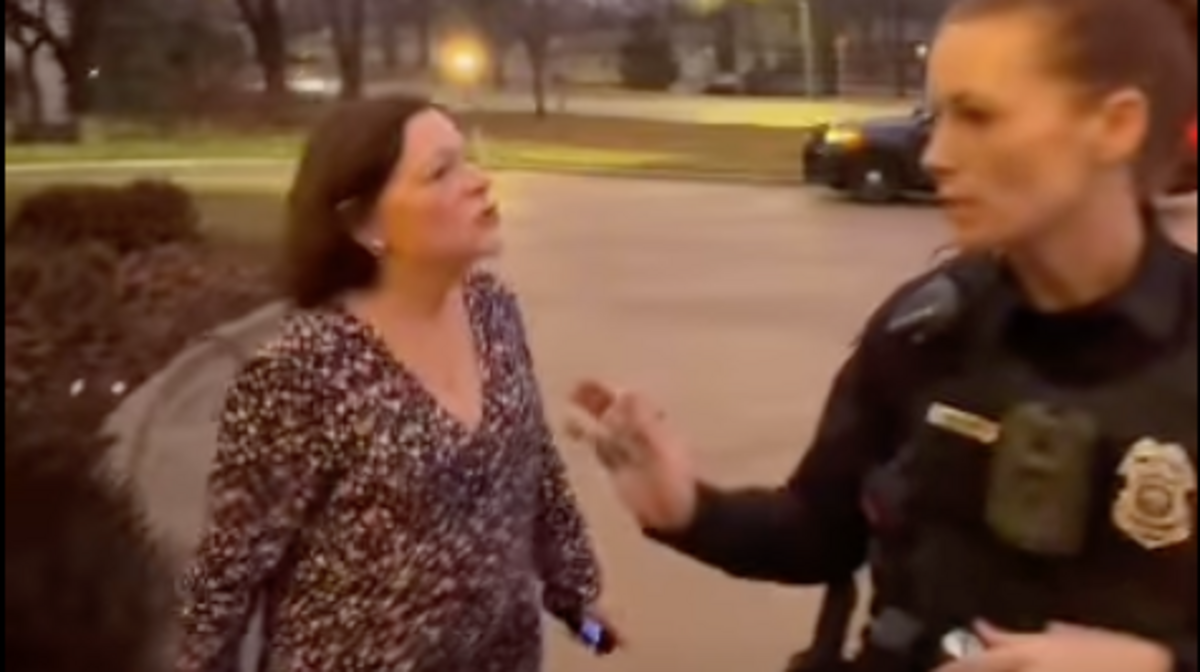
In a recent column, I pondered why a Shawnee police officer issued trespass notices at a restaurant to Michael and Johanna Kelley, an interracial couple from Kansas City, when they had not been accused of doing anything legally wrong.
I may have an answer. Shawnee officers apparently don’t have a say in situations like these, according to safety public information officer Emily Rittman. Officers act as agents of the property owner and cannot use discretion to avoid issuing a trespass notice, according to Rittman.
If you ask me, police should be allowed to determine if a notice is warranted in certain situations, like this one.
The couple had been in a car wreck about an hour before their Feb. 14 reservation at the Wandering Vine at The Castle restaurant in Shawnee and simply wanted a refund for the meal they had paid for in advance, said Michael, who is Black. They even requested a new reservation, he said. The owner said no. Some kind of dispute occurred, so the couple decided to leave. Nothing indicates that Michael and Johanna were violent or threatening in any way, according to Shawnee police.
It is a matter of practice — not policy or law — that Shawnee officers issue trespass orders at the request of a property owner or authorized representative, according to Rittman. No law in Kansas mandates this, according to two area criminal defense attorneys I spoke with.
On Monday, Rittman confirmed that nothing legally prevents officers from rejecting these requests, which I believe should have occurred in this incident.
“It is common practice for officers to issue trespass orders at the request of property owners or their authorized representatives,” she wrote in an email.
I looked at video of the encounter again and the Shawnee police officer seen in the video was polite and listened to the couple. Even though she was sympathetic to them, she still issued the notices banning them from the Wandering Vine .
That remains my main sticking point.
Yes, business owners can ban someone from their establishment at any time for any reason they see fit, and that’s their right. To weaponize police against anyone when no threat exists is just plain wrong.
In the future, it is my hope that police in that city and elsewhere conduct a brief investigation to determine if a trespass notice is really necessary.
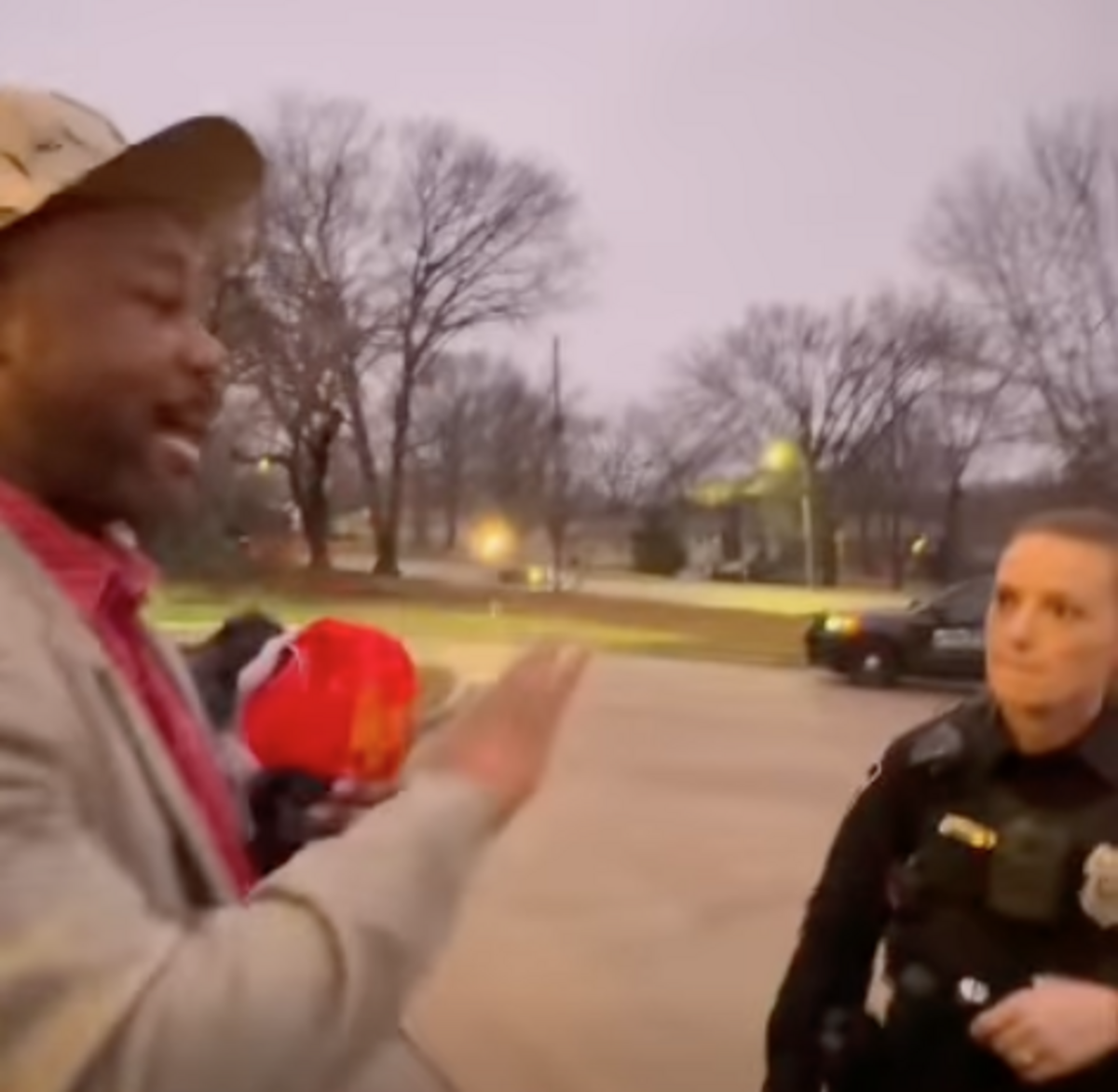
Rittman said this week that the trespass orders had been rescinded at the request of restaurant owner Carla Dyer. But the ambiguity involved here bothered me. In a perfect world, officers would have gotten to the bottom of the issue at hand before acting on behalf of Dyer, who the couple claimed had discriminated against them.
How is that anywhere close to being fair?
I’ve questioned the motive of Dyer, who asked officers to issue the notices which prevented the couple from returning to the establishment. But she has tried to make amends by recently lifting the ban.
“The reporting party asked officers to issue the trespass orders,” Rittman wrote Monday. “The reporting party later requested that the orders be withdrawn, and they were rescinded accordingly.”
Police action against marginalized groups
Last week, I asked University of Kansas law professor Jamila Jefferson to view portions of the encounter Johanna recorded and offer her thoughts. Based on the footage and other information, Jefferson described police as professional and courteous but added Dyer, the restaurant owner, was not as polite.
“They seem to get it that this was not anything that needed to be escalated,” Jefferson said of officers.
“The escalation on part of the restaurant owner was unnecessary,” Jefferson continued. “These people were leaving. I don’t even understand why she called the police.”
Jefferson is associate dean for access and opportunity at KU and the school’s Earl B. Shurtz research professor of law. She is considered an expert on the use or threat of police action being used against members of marginalized groups.
Because Jefferson’s 2020 article #LivingWhileBlack: Blackness As Nuisance was published in the American University Law Review and featured prominently in the New York Times, I have in the past sought her opinion on certain matters.
After more reflection and gaining a better understanding of trespass laws, I could agree that officers did a good job of keeping the situation from spiraling out of control.
How trespass notices ban people
Although progress had been made in recent days to rectify that unfortunate situation, I still had lingering questions about the written warnings when I reached out to defense attorneys seeking clarity. Here’s what I’ve learned: Although there is no law that requires officers to hand out these notices upon request, they often do to help keep the peace and have an official record of the notice on file.
The onus to ban folks from private spaces falls squarely on the property owner, according to Brandan Davies, a criminal defense attorney at Overland Park-based law firm Roth and Davies.
When somebody wants to ban somebody from their property, they will draft a trespass notice and give it to the offending party themselves, Davies explained. But in some cases like this one, police get involved to defuse the situation.
“Just in general practice, it’s common to avoid further conflict between the two people,” Davies said.
Neither Davies or Vincent Rivera, the second criminal defense attorney I spoke with, were connected to the parties involved in the incident.
Rivera, of Olathe-based firm Rivera Law, said that private property owners have 100% discretion in these situations. In practical terms, by having police give a trespassing warning, now there’s an official record of it, he said.
“What the notice means is you can’t come back later and say I didn’t know I wasn’t supposed to be there,” Rivera said. “When the police are involved, it’s just an extra layer of formality.”
When I asked Dyer why she felt the need to get police involved, she did not answer the question. Dyer has tried to make things right with Michael and Johanna by initiating a refund and walking back the trespass orders. She was also contemplating a public apology, Michael told me last week.
As of Tuesday, he said no apology had been made and the money had not been returned. Dyer’s first step in settling this mess was encouraging.
But she shouldn’t have called the police to begin with.