
New CDC meningitis vaccine decision means children can die | Opinion
There are very few diseases that truly terrify doctors. Meningitis is one of them.
It is fast. It is unpredictable. And if you miss it, even briefly, the consequences can be catastrophic. As a physician, meningitis is the diagnosis I fear overlooking more than almost any other, because I know how quickly it can steal a life or permanently destroy one.
I am writing today because the Centers for Disease Control and Prevention recently made a decision that I believe will cost children their lives. By removing both meningitis vaccines, MenACWY and MenB, from the list of those recommended for all children in the childhood immunization schedule and shifting them to “shared clinical decision-making,” the CDC has placed an unbearable burden on health care providers and parents — and put our children at risk.
I have seen what meningitis does. I treated Andy Marso.
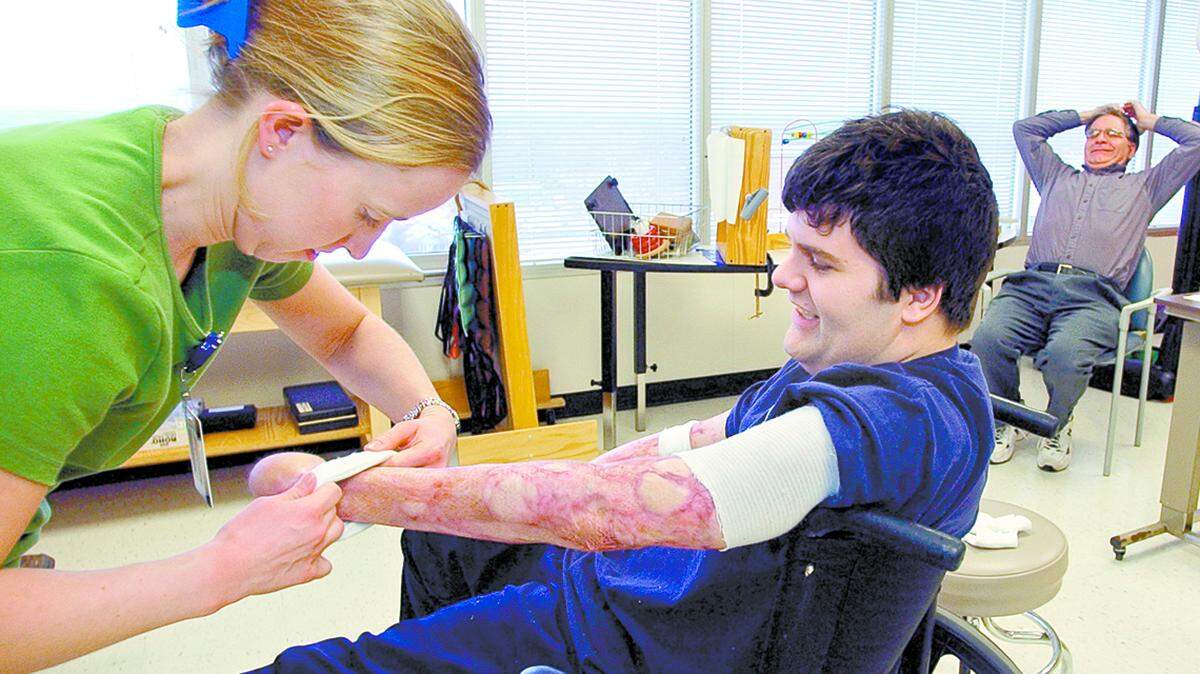
I was working at the University of Kansas student health center in 2004 when one of Andy’s friends brought him in in a wheelchair. Andy was a 22-year-old senior who had been perfectly healthy until the night before. By the time I saw him that morning, I knew something was terribly wrong. He seemed disoriented and his face was turning blue — a sign that he lacked oxygen. As quickly as we could, we got him in an ambulance to Lawrence Memorial Hospital. Within hours, he had been diagnosed with bacterial meningitis and airlifted to KU Hospital in critical condition. When I got home from work that night, I hugged my kids extra tight, fearing that in the days to come I might learn that Andy had died.
In the end, Andy made it — barely. He lost all of his toes and fingers except one thumb. Just a few weeks ago, he had his right leg amputated below the knee because of complications from his earlier amputation. More than 20 years later, he is still paying the price for a disease that struck without warning, at a time when the vaccine was not available to help protect him.
I have remained friends with Andy’s family. He has gone on to a rewarding career as a journalist, including a long stint as a health care reporter at The Kansas City Star. I think he is a miracle. But he is also a warning.
Amputation, brain injury, hearing loss
Meningococcal disease kills 10% to 15% of the people who get it, often within 24 hours of the first symptoms. Another 20% suffer permanent damage: amputation, brain injury, hearing loss and vision loss.
Yet this is now one of the diseases the CDC has decided is no longer worth recommending all children to be vaccinated against.
Instead, parents are being told these vaccines are something to be decided during a conversation with a clinician. In theory, “shared clinical decision-making” sounds reasonable. In practice, it fails. Doctors do not have the time during short visits to fully explain rare but deadly diseases and complex vaccine schedules.
Imagine being the doctor who didn’t get to that conversation and then your patient dies.
Now imagine being the parent who didn’t know to ask until it was too late, and now your kid is in an intensive care unit with a preventable disease.
This decision will also widen health inequities. Shared clinical decision-making consistently benefits families with more resources and better access to care. Children can die. Not because vaccines don’t exist, but because policy failed them.
That is a crime.
And that responsibility belongs squarely with policymakers, especially those who are physicians themselves, who allowed politics and misinformation to weaken our vaccine infrastructure.
Parents understandably confused
I don’t look down on parents who question vaccines. I understand their confusion. All I ask is that they listen to those of us who have seen the worst-case scenario up close. Listen to doctors who have held the hands of patients dying of preventable illnesses and had to tell their families there was nothing more we could do.
I urge the state of Kansas, health care providers and parents to follow the immunization schedules set by the American Academy of Pediatrics, not the CDC, to help ensure that children, teenagers and young adults are as protected as possible against all vaccine-preventable diseases.
And parents, please know that meningitis vaccines are still available. For now, they are still covered by insurance and the Vaccines for Children program. Parents who want clear, evidence-based information about meningococcal disease and prevention can learn more at the American Society for Meningitis Prevention at meningitisprevention.org.
I treated a meningitis patient. I know what this disease does. And I am telling you: Children will die as a result of this decision if we do not change course.
Dr. Leah Luckeroth is a former physician with Watkins Health Services at the University of Kansas, Lawrence Campus. She continues to practice as a consultant physician in Johnson County.
This story was originally published January 10, 2026 at 5:04 AM.