
Porn is a public health issue. At least Missouri and Kansas try to fight it | Opinion
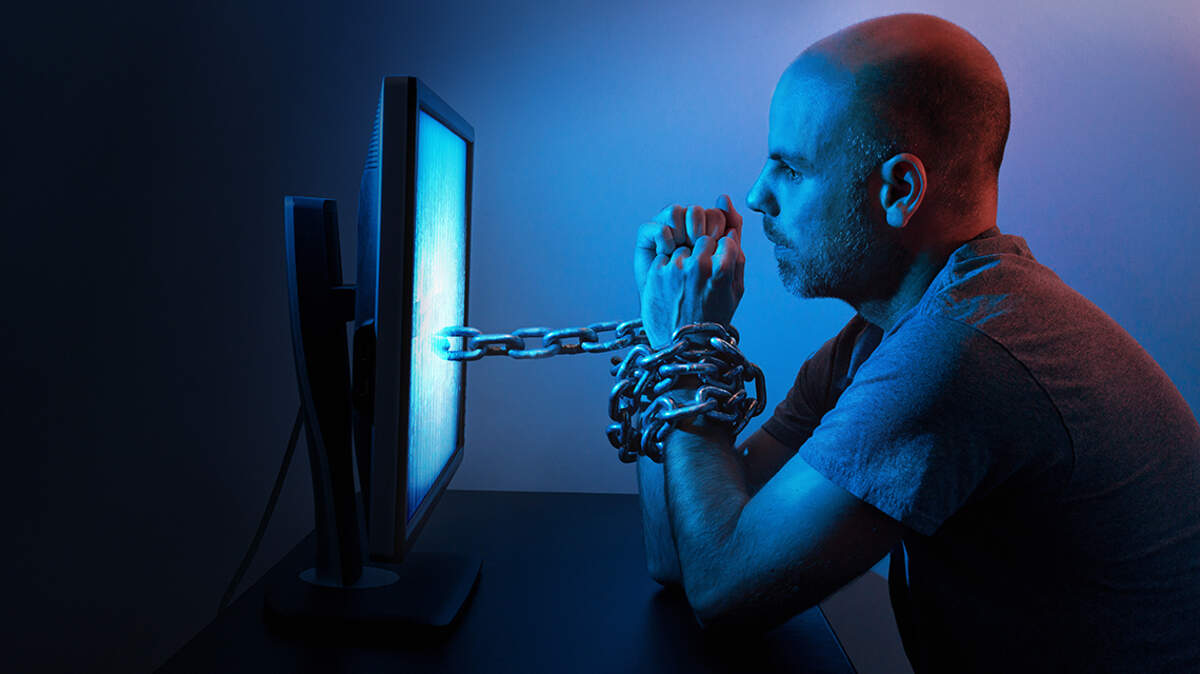
I appreciate Derek Donovan continuing the conversation on Missouri and Kansas’ age verification rules for online pornography in his Dec. 7 Star column. He raises an important question: Do we really want a national ban on pornography? I know how uncomfortable this conversation makes people. It was a conversation I once did not want to address in my own life.
My answer is yes. Or at the very least, it is long past time to take America’s pornography problem seriously and address it honestly as a public health issue.
I say this not as a culture warrior, but as someone who lived through it. I struggled with a pornography addiction for 40 years, beginning at age 10. Like many others, I used it the way people use drugs or alcohol, to numb emotional pain. In 2020, through a newfound source of strength in Jesus Christ, and confronting the underlying issues in my life, I was able to break free. Since then, I have worked with other men who desperately want to stop but find themselves unable to do so.
Their experience is not simply a matter of willpower. A growing body of research suggests that heavy pornography use affects the brain in ways similar to substance addiction. Studies cited by the National Center on Sexual Exploitation indicate that frequent use can alter brain function, particularly in the prefrontal cortex, the area responsible for impulse control, judgment and decision-making. In practical terms, that means diminished self-control and reinforced compulsive behavior.
Pornography contributes to broken relationships, emotional withdrawal and an epidemic of shame and isolation among men. Many suffer in silence, afraid to ask for help, which only deepens loneliness and mental distress.
For me, discovering faith in God was the key to turning away from porn. I realized I couldn’t fight this battle alone. For those who might be struggling and don’t believe in God, that reality still holds true. You can’t go alone in this fight. Your first step is admitting you have an issue and need help. Find a trusted friend or counselor that you can talk with about what’s going on inside your head and your heart — someone who can hold you accountable. Opening up and being vulnerable is the best way to combat the shame.
Far too long, men have been encouraged to keep feelings locked away and not show any emotion or weakness. That’s where the self-induced loneliness comes in. There are many online communities you can join to offer support and encouragement as you try to walk in freedom.
Meanwhile, children today are growing up with instant access to explicit content through their smartphones, viewing content far more graphic and violent than anything I ever was exposed to growing up. Parents absolutely have a responsibility to monitor what their children consume. But parental responsibility and public safeguards are not mutually exclusive. Age verification laws are a reasonable, commonsense step to support families.
Missouri and Kansas already have age laws to purchase alcohol or marijuana because we recognize the harm those substances can cause developing brains. Pornography triggers similar neurological responses. Treating it differently makes little sense.
There is also a side of this issue we too often ignore: the human cost behind the screen. According to a 2020 report from Polaris, the organization that formerly operated the National Human Trafficking Hotline, pornography is a significant driver of sex trafficking in the United States. Beyond exploitation, it shapes attitudes, teaching men to view women as sex objects and teaching women that their value and worth lie primarily in sexual performance.
This debate is not fundamentally about free speech. It is about mental health, public safety and human dignity. I recognize that a full national ban on pornography is unlikely. But dismissing the problem altogether is no longer an option. We put safeguards in place for products that harm individuals and families. Pornography should be no exception. It is time for honest conversations, and thoughtful regulation, grounded in compassion, evidence and concern for the well-being of our communities.
Neil Getzlow of Kansas City is a coach for men dealing with sexual integrity issues. He has shared testimony during Missouri legislative hearings to discuss age verification and sex trafficking laws.