
Kansas measles outbreak shows why we can’t quit vaccinating our kids | Opinion
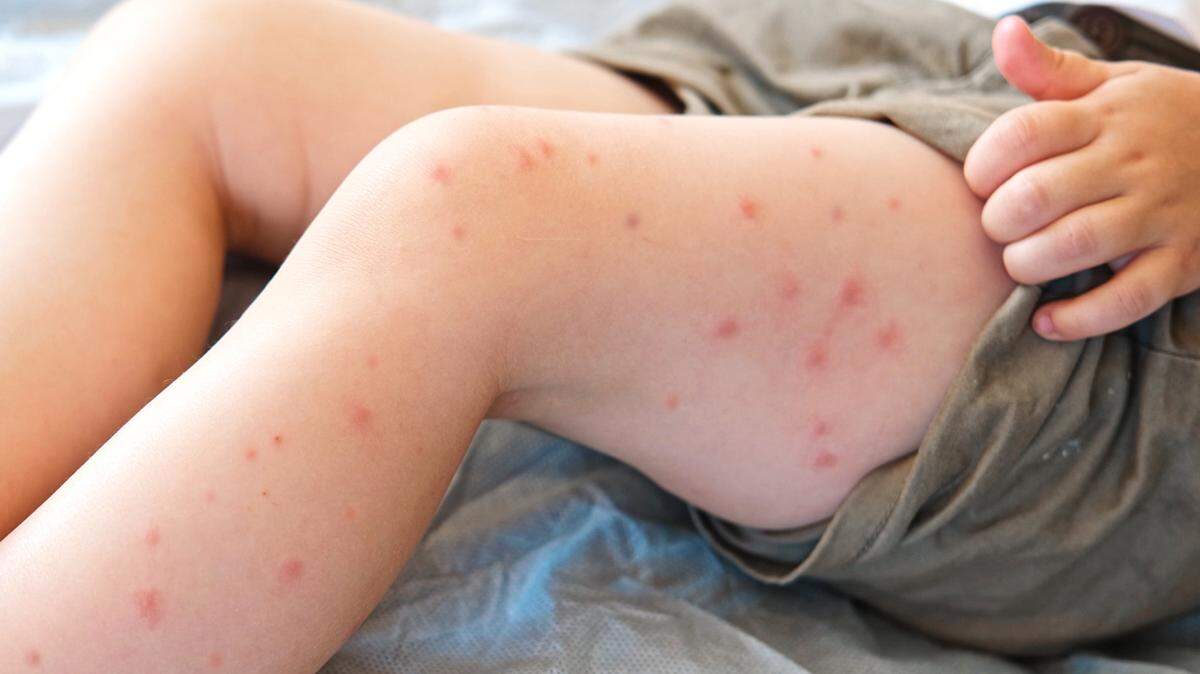
As pediatric emergency medicine physicians and general pediatricians, we are often the first health care providers to see a child presenting with a fever after international travel. In the past, we typically considered the most common causes, such as the common cold. But recently, surging outbreaks of vaccine-preventable diseases means we now must consider additional, potentially more serious diagnoses.
In this era of constant international travel, the risk of continued disease outbreaks is a reality for every community in the United States. A disease outbreak in a remote village can reach major U.S. cities within just hours and quickly wreak havoc on a community’s health system. Recently, there was a measles outbreak in southwest Kansas that sickened 73 children and 14 adults. It began when an American child returned from international travel. Measles is especially difficult to contain, as one individual with measles can infect up to 18 other people, and the virus can linger hours after an infected person has left a room.
The America First Global Health Strategy recently released by the Trump administration focuses on managing and containing global disease outbreaks before they reach the U.S. However, the strategy lacks a crucial aspect of disease control: prevention.
One of the best ways to prevent disease is through vaccination. The American Academy of Pediatrics supports routine childhood immunizations for all students who can be vaccinated — because when everyone in a classroom is vaccinated, diseases have a hard time spreading. This community protection also covers kids who cannot get vaccinated for medical reasons.
The vast majority of American parents vaccinate, which helps everyone stay in school, learning and having fun. An analysis published last year by the U.S. Centers for Disease Control and Prevention found that routine childhood vaccines prevented more than 1.1 million deaths and 32 million hospitalizations in the U.S. over three decades. The same is true at a global level, with vaccinations saving 154 million lives around the world over the last 50 years.
Vaccines not only save lives — they save everyone money. In addition to preventing deaths and hospitalizations, the CDC analysis found that routine childhood vaccines saved U.S. taxpayers $540 billion in direct health care costs. Responding to disease outbreaks is expensive. In 2019, a measles outbreak in Washington state that infected 72 individuals cost $3.4 million in public health expenditures, direct medical costs and productivity losses.
Vaccines have been so successful in preventing disease that some people mistakenly believe these illnesses are no longer a threat. As pediatricians, we know that in order to protect the children living in Kansas and Missouri, we must invest in vaccination programs at home and abroad. This includes supporting the CDC’s global immunization program, which helps to train staff in other countries, conduct disease surveillance and vaccinate children against preventable diseases. In 2024 alone, CDC experts were on the ground in 44 countries, helping contain outbreaks of measles and other contagious, potentially deadly viruses before they could spread to American shores.
When the federal government shutdown ends, Congress will work to pass a budget for the next fiscal year. It is critical for Congress to fully fund the CDC’s global immunization program — including support for measles prevention overseas.
In Kansas, we know firsthand how quickly diseases like measles can spread. We encourage our federal lawmakers to continue funding the CDC and other global vaccination programs to protect our children from outbreaks.
Vaccines are among humanity’s greatest triumphs. Let’s not allow their success to become their undoing.
Erin McCann is a general pediatrician who lives in Olathe. Anik Patel is a pediatric emergency medicine and global health physician who lives in Kansas City. Both are members of the Section on Global Health at the American Academy of Pediatrics.