
There’s no national energy emergency. But a quiet revolution is underway in KC | Opinion
Across Missouri, Kansas and the American heartland, the public’s health and well-being are being sacrificed to serve corporate interests. This is driven by a deceptive narrative that invents an energy crisis, scapegoats artificial intelligence data centers and demands a continued reliance on fossil fuels and coal plants. However, the facts are now coming to light — and they tell a much different story.
A calculated disinformation campaign is trying to sell us a crisis that doesn’t exist. Let’s be clear: There is no national energy emergency, no electricity capacity crisis and no critical reliance on foreign energy. Politicians and the media can repeat slogans such as “Drill baby, drill” and “beautiful, clean coal,” but that doesn’t make them real. The truth is that America produces more energy than it uses, and is the world’s largest oil and natural gas producer and the top exporter of gasoline and natural gas. The emergency is pure fiction.
So, why the hype? It’s a tool to justify gutting the federal rules that protect our families. The guise of a fake emergency has been used to weaken dozens of clean air and water regulations. These changes include limiting the ability of federal agencies to track pollution and climate data, and discontinuing a new database for predicting extreme precipitation. These actions present a contradiction: While the stated goal is to provide the “cleanest air and water on the planet,” championing “beautiful, clean coal” is a claim as absurd as a doctor prescribing cigarettes for your health.
This isn’t just a debate in Washington, D.C. It’s an assault on our communities — a fiction that creates so-called “sacrifice zones” across America’s heartland. A map of toxic pollution from coal plants reveals a grim truth: The highest concentration of harm is right here in Missouri, Kansas, across the Midwest and down to Texas. It’s been well documented that these plants pump mercury, acid gases and carcinogens into our air, leading to higher rates of asthma, developmental problems in children and increased cancer risk for everyone living nearby.
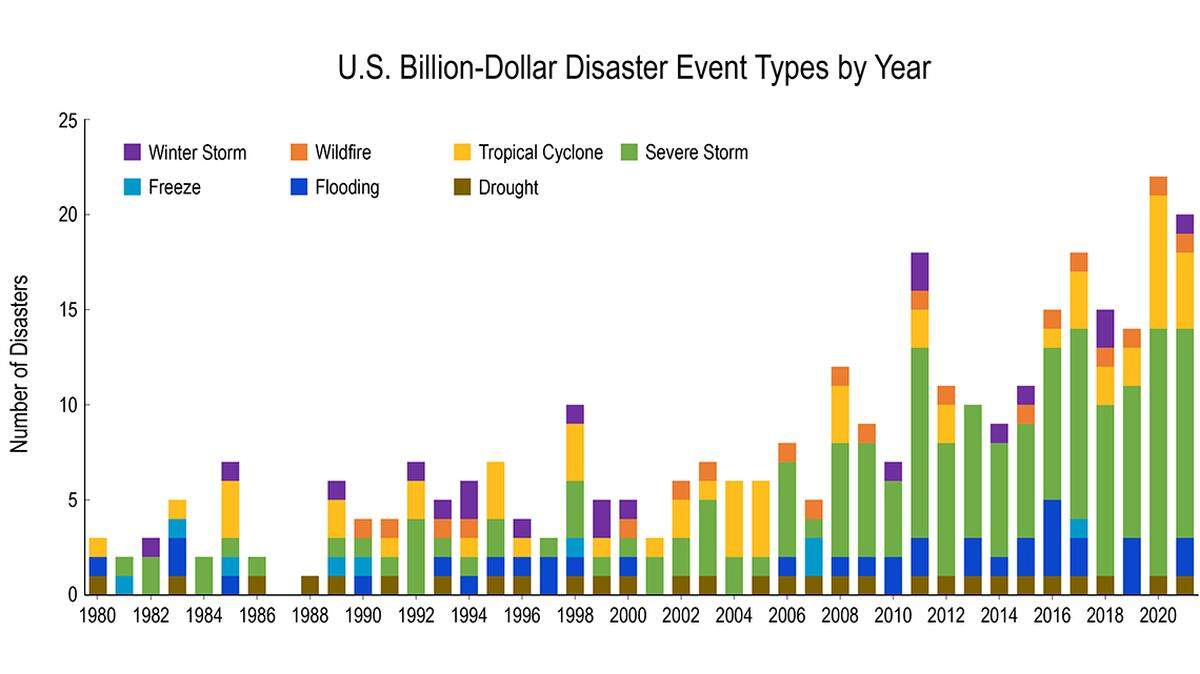
Unprecedented storms, dangerous heat
While some local progress has been made, the Kansas City area remains flanked by massive polluters in two states, including Evergy’s Iatan plant in Missouri and the La Cygne Generating Station in Kansas. Together, these aging facilities contribute to premature deaths and illnesses across the region annually. Meanwhile, utilities in both Missouri and Kansas consistently lobby regulators to pass the high maintenance costs of these aging plants onto customers. Nationally, pollution from coal-fired power plants was responsible for approximately 460,000 premature deaths in the U.S. between 1999 and 2020. The hidden societal cost of this pollution is just as staggering, totaling up to $500 billion each year.
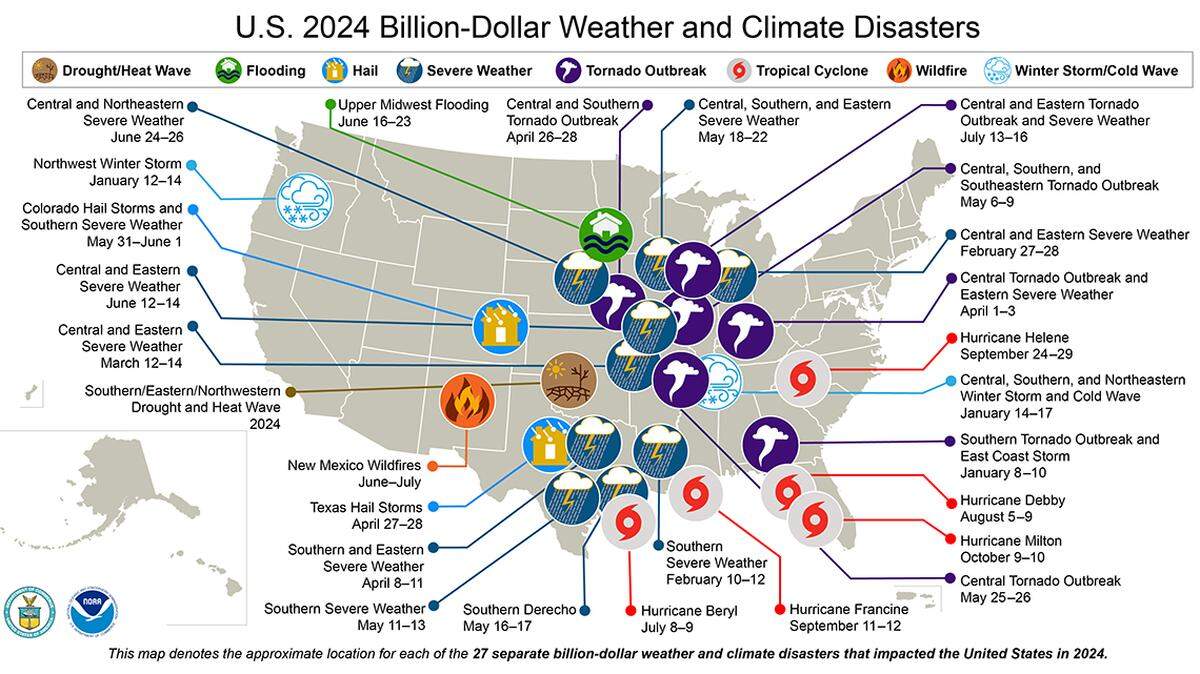
Compounding this, the heartland is grappling with unprecedented weather and storms every year, feeling the direct impact of a destabilized climate. The immense climate costs hit home and are now a year-round threat, demonstrated by the intense storms of summer 2024 and 2025 that caused repeated flash flooding across the Kansas City metropolitan are, the powerful derecho of 2023 that left thousands without power, and the dangerous heat domes that regularly push temperatures to life-threatening levels. The year 2025 has also seen a series of catastrophic events nationwide, from deadly floods across the Midwest and South to devastating flash floods in Texas that killed more than 100 people.
This policy of sacrificing public health is mirrored by one of intentional ignorance, as the National Oceanic and Atmospheric Administration’s Billion-Dollar Disasters database — which documents nearly $3 trillion in escalating damages — is being retired and key federal scientists are being laid off. This dismantling of data and expertise comes as a catastrophic toll ravages the heartland, bringing loss of life, adverse health impacts, destroyed homes, flooded cropland and contaminated water supplies. Such devastation demands critical access to scientific information, urgent upgrades to our buildings and infrastructure, and an unwavering commitment to phasing out all remaining coal plants.
Quiet revolution of innovation, sustainability
But there is good news that directly refutes this narrative of fear. Since 2005, a quiet revolution has been unfolding in the U.S. building sector and architecture, design and planning communities — a story of efficiency, innovation and sustainability that goes largely unrecognized. The U.S. building sector has cut its electricity use by an impressive 10.7%, even while adding 70 billion square feet of new buildings. This sector includes America’s massive digital infrastructure, with 5,426 data centers — 10 times the number in China — and about half of the world’s largest hyperscale computing facilities. To grasp the scale of this achievement: It’s like building 24 new cities the size of Chicago yet still cutting the building sector’s power consumption.
This isn’t magic. It’s the result of better architecture and planning, building codes, smarter renovations, and improved equipment and appliances. This trend is especially important in the Kansas City region, which spans two states and has become a major national hub for energy-intensive data centers. According to the Energy Information Administration’s State Energy Data System, total energy consumption in residential and commercial buildings declined a stunning 22% in Kansas and 12% in Missouri from 2005 to 2023. While the states lack clean energy mandates, Kansas City has set its own goal to be carbon-neutral by 2040.
The evidence reveals a clear path forward. Our aging, expensive coal plants are not just a liability — they are an opportunity. Instead of spending billions propping up these polluting relics, we can transform their sites, along with their vital grid and infrastructure connections, into hubs of American innovation, powered by renewable energy farms.
This defines the heartland’s future: a win-win-win that turns sacrifice zones into innovative enterprise zones with high-paying jobs in technology and construction, lower energy bills for families and businesses and cleaner air for our children. The choice, then, is simple: We can cling to a past built on fear and fiction, or we can embrace a future built on facts and innovation.
Edward Mazria is an internationally recognized architect, author, researcher, educator and founder of the 501(c)(3) nonprofit Architecture 2030.
This story was originally published October 7, 2025 at 5:02 AM.
CORRECTION: This commentary originally misstated a comparison between cutting electricity usage and building new cities the size of Chicago.