
Josh Hawley didn’t really have any choice but to vote for Medicaid cuts | Opinion
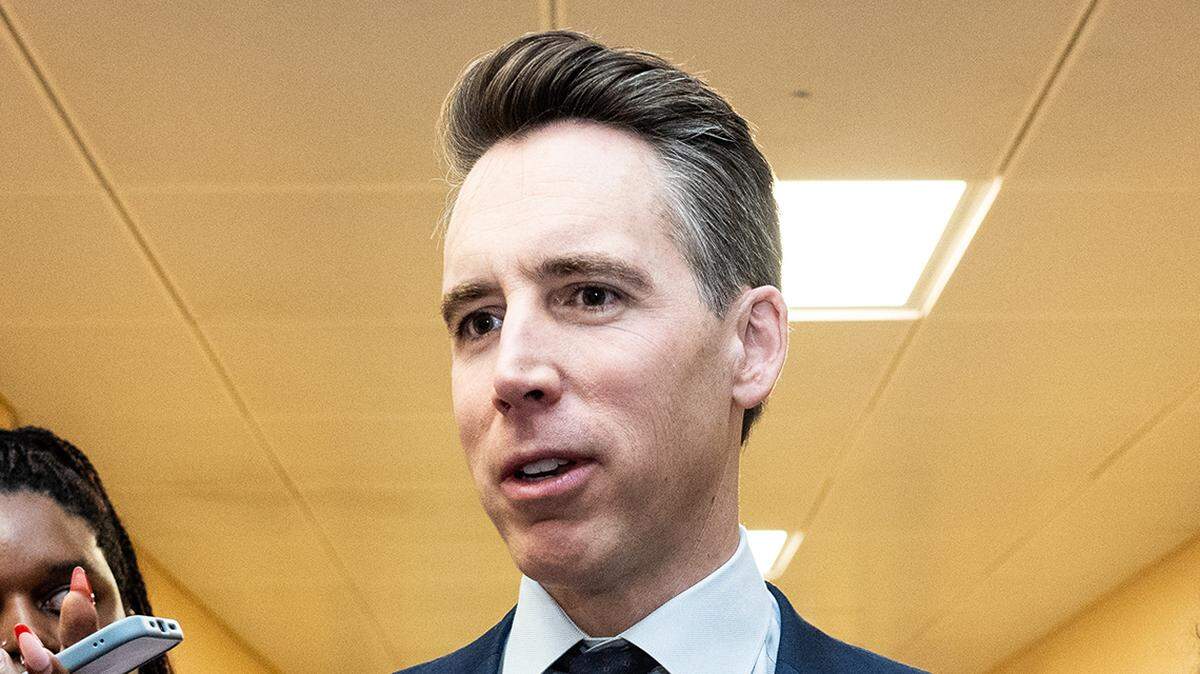
Whether or not you accept the sincerity of Sen. Josh Hawley’s recent New York Times op-ed, “Don’t Cut Medicaid,” after his vote in favor of President Donald Trump’s One Big Beautiful Bill which, by Hawley’s own account, “slash(es) health insurance for the working poor” it’s evident that the Missouri senator and many of his Republican colleagues found themselves in a legislative bind.
The bill, which was signed into law on Friday, is a striking example of omnibus legislation, where a single bill contains hundreds, even thousands, of unrelated proposals. This particular package spanned 870 pages and included everything from taxes on tips to impacts of Manhattan Project nuclear testing.
The problem? Legislators had only one choice: yes or no.
Omnibus legislation prevents lawmakers from accurately representing their own views, let alone the desires of their constituents. In Hawley’s case, he might have supported its tax provisions or decreased emphasis on renewable energy, but still opposed its Medicaid cuts. Yet he had no opportunity to vote yes on one part and no on another.
The bill contained ten sections, each authored by a different Senate committee, each covering unrelated topics. Each section could have been a standalone bill.
Why do legislators allow omnibus legislation? Because party leaders know that limiting lawmakers to a single yes-or-no makes it easier to pass provisions that defy public opinion.
The practice is nothing new. President Joe Biden’s failed Build Back Better Act originally spanned 2,468 pages and was stitched together through the jurisdiction of 13 separate committees.
There is, however, a practical reform available. In 41 state legislatures, a single subject rule limits bills to one main issue. Congress could adopt a similar approach while utilizing its well-defined committee jurisdiction rules. By requiring each bill to focus only on issues within a single committee’s area of expertise, lawmakers could reduce the use of omnibus legislation. In the case of the Big Beautiful Bill, this would have allowed Hawley to reject the Senate Finance Committee’s Medicaid reductions while supporting other provisions in the final bill.
In an age when Americans demand productivity from their government, we should spend a bit less time asking what gets done and more time asking how it gets done. The delicate balance between efficiency and accountability is toppled by all-or-nothing votes on omnibus legislation.