
Speak up for disability rights and against healthcare cuts in the ‘Big Beautiful Bill’ | Opinion
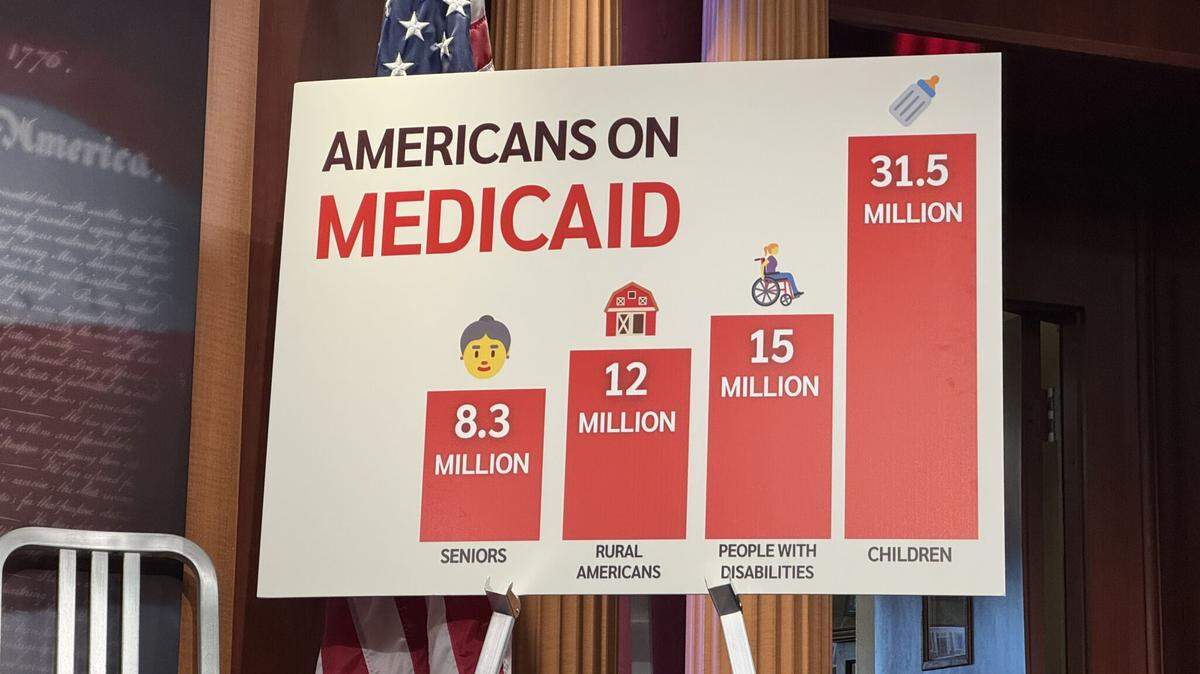
The debate over the reconciliation bill in Congress, with its deep cuts to Medicaid and Medicare, is causing shock and despondency for people with disabilities and their family members who have spent decades in the disability rights movement.
The reconciliation bill — which its supporters call the “Big Beautiful Bill” — proposes brutal cuts to Medicaid, Medicare and other essential health programs.
Many families are overwhelmed and openly asking each other: “What’s the point in speaking up if Washington isn’t listening?”
But I want to say this, as someone who’s served in the Kansas Legislature, taught government to high school kids, and held federal office overseeing disability policy: Now is not the time to give up.
This may sound far-fetched, but it feels like the ground may be shifting as the harm from Medicaid cuts is becoming more widespread and better understood by members of the public. For that reason, disability rights activists must triple their advocacy efforts.
This past week, I was in Washington, D.C., meeting with staff from Kansas and Missouri’s senate offices.
I was able to speak face-to-face with Kansas Sen. Jerry Moran, a former legislative colleague. I had open and honest conversations with the health policy leads for Missouri Sen. Josh Hawley and Kansas Sen. Roger Marshall.
These were respectful, serious exchanges — no shouting matches or standoffs.
And I wasn’t alone.
Faculty and researchers from the University of Kansas and the University of Missouri-Kansas City, and leaders from the both states’ disability research and training programs, were with me.
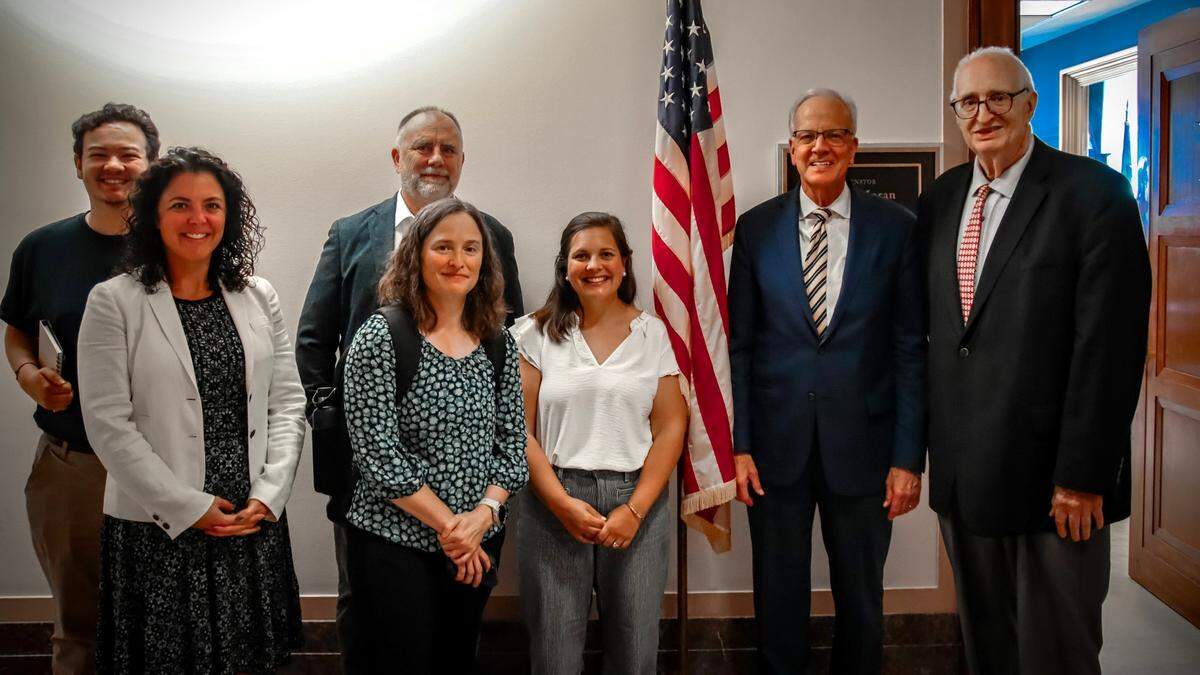
Together, we made the case for preserving these vital centers and protecting the Medicaid funding that is the foundation of community living and care for people with disabilities.
And it feels like people are being heard.
Punchbowl News this week has reported that Republican senators are growing less enthused by the damage this bill could inflict.
Media reports have shared stories that Moran, Hawley, Thom Tillis of North Carolina and Lisa Murkowski of Alaska are quietly warning colleagues that gutting Medicaid could send the Republican Party into generational exile, much like Democrats paid dearly at the ballot box after pushing through an unpopular tax vote in 1993 and passing the Affordable Care Act in 2010.
Tillis has called the Reconciliation Act an out and out danger for the Republican Party akin to the “Obamacare backlash” that Democrats endured for multiple election cycles.
Kansas and Missouri stand to lose billions in Medicaid funding, threatening the care of more than 16,000 residents and potentially displacing thousands more from their jobs, homes and communities.
These conversations are happening in real time, and anything can happen in the next few days.
Yes, there remain some GOP voices dug in deep in ideological bunkers, immune even to the equivalent of a “bunker buster” in public outcry. Some lawmakers seem committed to a vision of government that shrinks responsibility, even if it starves families of the services they rely on.
But I’ve been around this movement long enough to know: public will, expressed respectfully and relentlessly, can still move political mountains.
Don’t be mad, but be persistent
This is no time for cynicism or despair. Elected officials are approachable, but it takes persistence to get through their busy doors.
They may not always agree with us, but they do listen. Screaming at them won’t help. Sitting down, telling your story, and explaining the consequences of policy decisions still works.
It may feel like an antique practice, but it feels like something is changing in D.C.
To the parents who are caring for sons and daughters with disabilities, to the professionals who provide care and support, and to every Kansan and Missourian who believes in basic fairness: Keep going. Keep calling. Keep showing up.
This fight isn’t over.
As much as people with disabilities, elder advocates and human services allies have been hurt and disappointed by prior budget proposals and cruel rhetoric, we can’t let discouragement silence us now.
The backlash to deep cuts in Medicaid is real and growing.
And while there’s no sequel to Freaky Friday that could capture the strangeness of politics today, there’s still a chance for this story to end with people, not politics, coming first.
The week of July 4 is the Senate’s self-imposed deadline to move this bill. Let’s make every day between now and then count.
Let’s speak up, speak clearly, and speak with hope.
Because the ground is shifting. Anything can (and may) happen.
This story was originally published June 26, 2025 at 5:00 AM with the headline "Speak up for disability rights and against healthcare cuts in the ‘Big Beautiful Bill’ | Opinion."