
McGovern-Dole Food for Education program still benefits Kansas farmers, and the world | Opinion
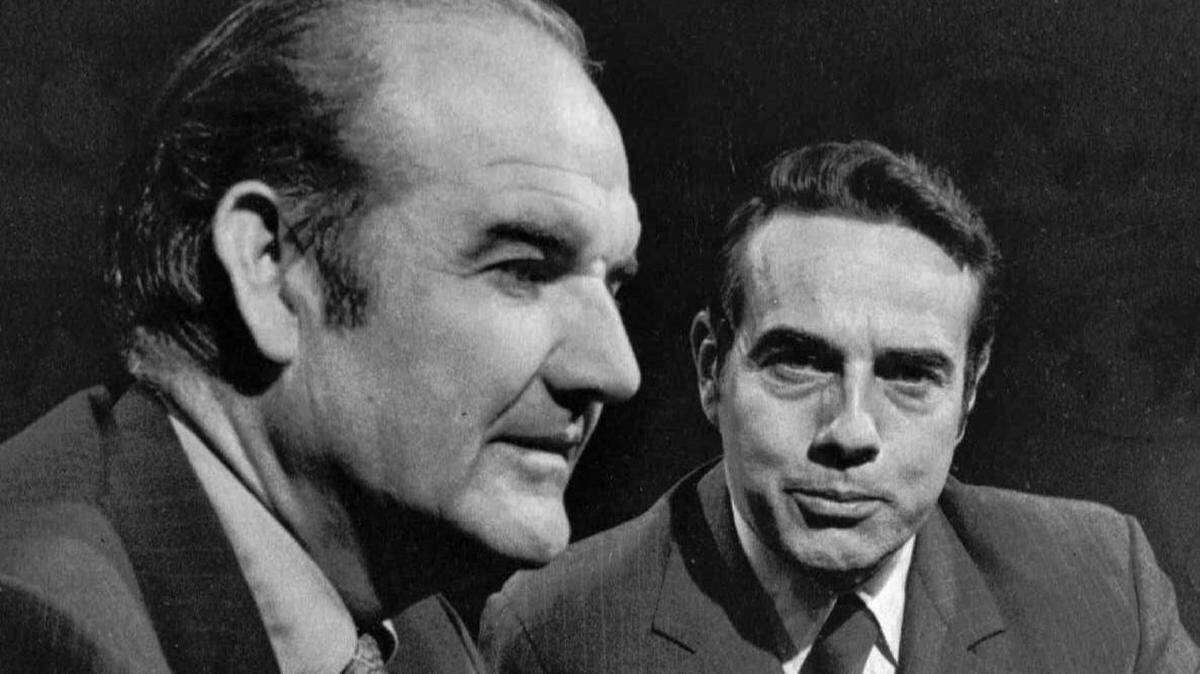
The McGovern-Dole Food for Education program was created in 2002 around a simple but profound idea: that the abundance of American agriculture could help feed hungry children across the world, giving them a better shot at learning, growing and building a future.
Named for Sens. George McGovern of South Dakota and Bob Dole of Kansas — lawmakers from opposite sides of the political aisle who collaborated to address hunger at home and around the world — the program is a bipartisan example of American generosity.
Through daily school meals, the program has connected the abundance of American agriculture with the urgent needs of children in impoverished communities — reaching more than 44 million children, in 48 countries with more than 5.5 billion school meals over the years.
It has helped break cycles of poverty by providing more than just food: it has offered hope, education, and a path forward for these children, for whom their McGovern-Dole school meal may be the only meal they eat in a day.
Despite its modest size, the McGovern-Dole Food for Education program delivers an outsized impact.
The program has supported organizations including Catholic Relief Services and the World Food Program to provide school meals for millions of children in food-insecure countries, while simultaneously benefiting American farmers.
In fiscal year 2023 alone, it funded the purchase and transport of more than 31,000 metric tons of U.S.-grown commodities — fortified rice, vegetable oil, lentils, beans, and more — supporting jobs across the agricultural supply chain here at home.
It also promoted local food systems abroad by purchasing nearly 13,000 metric tons of food regionally, helping communities begin to sustain their own school meal programs.
And the program offers more than just food. It supports teacher training, school infrastructure, clean water, and health and nutrition education — helping build stronger, more resilient communities.
In regions struggling with poverty, conflict, and climate stress, McGovern-Dole gives children and families a reason to hope, and to stay.
Programs like McGovern-Dole are about more than meeting urgent needs — they help lay the foundation for long-term development and stability.
In Central America’s Dry Corridor, the program addresses the root causes of migration by helping families build better futures at home.
In Africa’s Sahel region, it provides children with alternatives to instability and conflict, creating space for hope and opportunity.
Sometimes, one meal is the difference between falling behind and moving forward.
The McGovern-Dole program has earned recognition as one of the most effective U.S. foreign assistance efforts of the past two decades.
It exemplifies what American values and bipartisan cooperation can accomplish on the global stage.
As former secretaries of agriculture, we urge Congress to continue its strong, bipartisan backing of McGovern-Dole in the Farm Bill and annual appropriations.
This is a chance to support American agriculture and uphold America’s long-standing commitment to fighting hunger — one child, one meal, one future at a time.
For states like Kansas, where agriculture is a way of life, programs like McGovern-Dole represent both economic opportunity and a proud tradition of service to others.
This story was originally published June 15, 2025 at 5:00 AM with the headline "McGovern-Dole Food for Education program still benefits Kansas farmers, and the world | Opinion."