
To teach, allow time for self-reflection - and listen to what our students tell us | Opinion
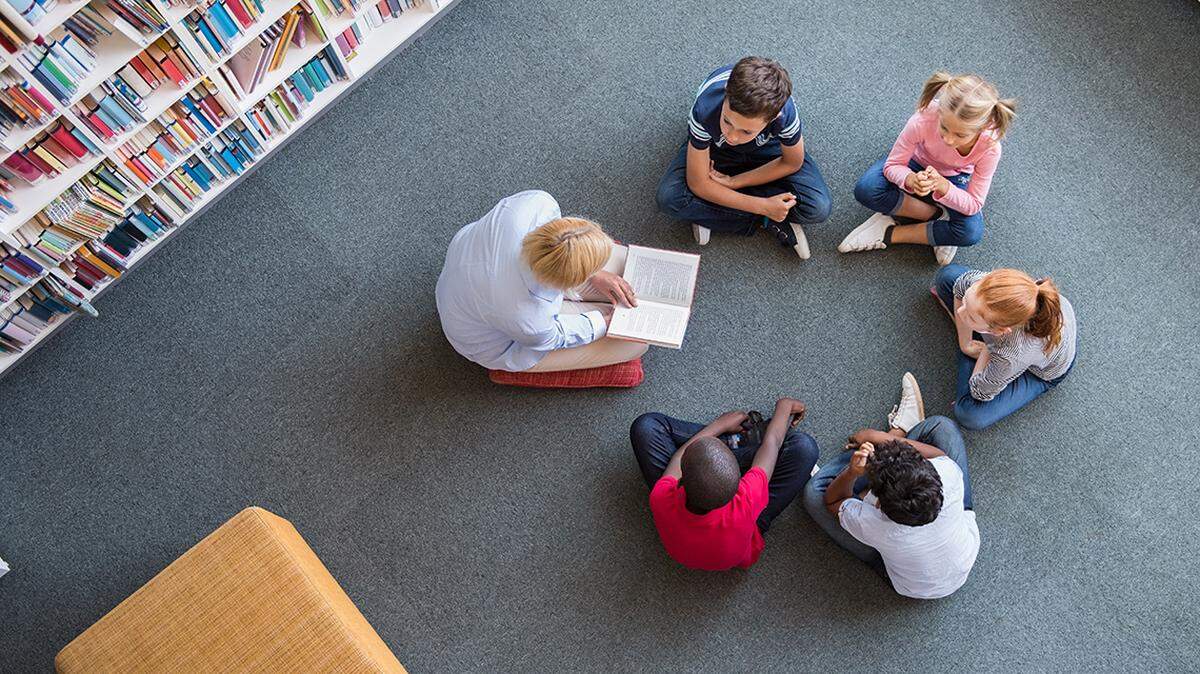
As we recently celebrated the landmark case of Brown vs. Board of education, it is important to reflect upon the work we must continue to do to make equal and accessible education a reality for all. Poet and author Gwendolyn Brooks once said, “We are each other’s harvest, we are each other’s business, we are each other’s magnitude and bond.” Navigating increasing demands in the classroom, we need resources to support and help existing and aspiring educators create classrooms that embrace culturally relevant teaching, so that all students can see themselves there and thrive.
Culturally relevant teaching means understanding that our student populations are diverse, and as this diversity increases, we must work to ensure that students’ various backgrounds, cultures and lived experiences are celebrated. In doing so, students and children can learn empathy and appreciation, and have a richer learning experience in the classroom.
As an educator of many years who has taught in both Missouri and Kansas, I recognized the need for a teaching framework that provided actionable ways for teachers to center students, incorporate the expertise of past educators and find collaborative approaches to ensuring best practices in our schools. My research involved conducting oral history interviews with educators who taught from 1950 to 1970, pre- and post-desegregation. These lessons coupled with the feedback of my former students is essential in understanding the experiences of our elders and the perspective of those I had in the classroom years ago.
My students (some of whom I taught more than 15 years ago and who truly inspired my teaching) shared what was effective for them in the classroom. I asked them two primary questions: What are some of the things you recall from the classroom that were effective for your academic learning? And what are some things I did to help you build relationships with yourself or others?
I received an overwhelming response, as students shared their recollections, feedback, and thoughts. Here are a few of the themes that emerged:
- Time to write, journal and self-reflect is an important part of learning, as it allows students to analyze, work through concerns and consider what shapes their identity and beliefs.
- Every student mentioned the importance of class discussions, or Socratic seminars. This was a way for students to have autonomy, share their lived experiences, connect real world issues to content and listen to others.
- Students want to be valued and respected. Many mentioned that small acts of acknowledgment, showing genuine interest in their lives, and affirming and believing in them, went a long way to motivate and inspire them. It builds relationships with students and families.
- Make learning enjoyable and establish a classroom of tolerance and respect. Students shared that having clear expectations and community agreements, coupled with fun learning activities, helped create balance. For example, using art and poetry in the classroom allows for students to practice inquiry and analysis through many learning modalities.
Learning from our students and from the lessons of historic educators and activists is one way to begin building a culturally responsive classroom. When creating lessons, consider the following principles when implementing new lessons or assessing existing curriculum: uniting for collective change and naming our positionality (our lens and perspective), centering marginalized and unknown histories, unlearning, using stories in the classroom, and working toward healing are all what I have found to be foundational to sustain and build culturally competent spaces.
Additionally, the lessons learned from the educators I interviewed provided meaningful information. Some themes that emerged from those oral histories included the collective power of community and coalitions, the important role that teachers play as mentors and the positive impact of teaching to the whole child.
These lessons all helped expand my understanding of culturally responsive teaching and inspired me to write a new teaching guide to share these lessons with current and future educators. Culturally responsive teaching is about inclusive learning, celebrating one another’s cultures and histories, sharing stories and perspective taking. It requires a commitment to be consistent and to intentionally learn about yourself and others. To be culturally responsive one must be willing to listen, to learn, unlearn and relearn, and to self-reflect and self-assess. It also means being in community with others, collaborating, and most important, listening. It means centering students and showing them the possibilities of reaching their highest potential.
Ultimately, if we want to create change, it will be through the work and learning of all of us. As Gwendolyn Brooks’ poem so beautifully reminds us: “We are each other’s business. We are each other’s harvest. We are each other’s magnitude and bond.” I hope we all work toward doing just that to create a bright future for our students and children.
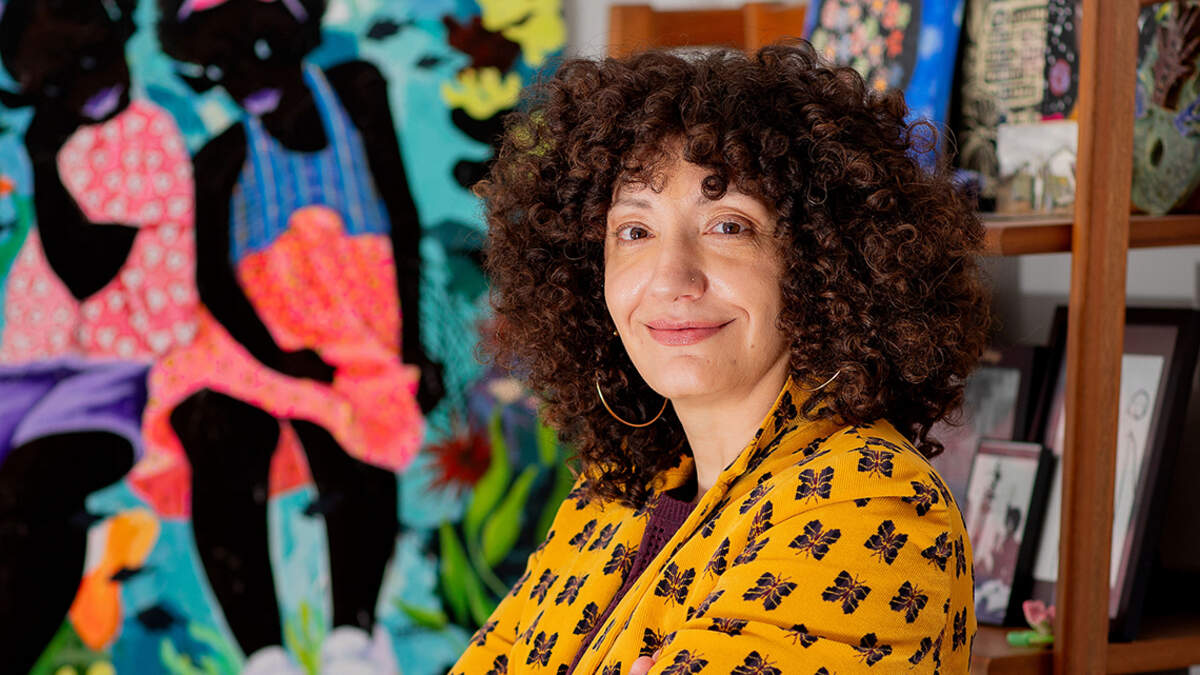
Marlee Bunch is a Kansas City native and educator. She is the author of the upcoming book “The Magnitude of Us — An Educator’s Guide to Creating Culturally Responsive Classrooms.”
This story was originally published May 28, 2024 at 5:07 AM.