
Kansas was the first state to oust the Ku Klux Klan, but their words still echo today | Opinion
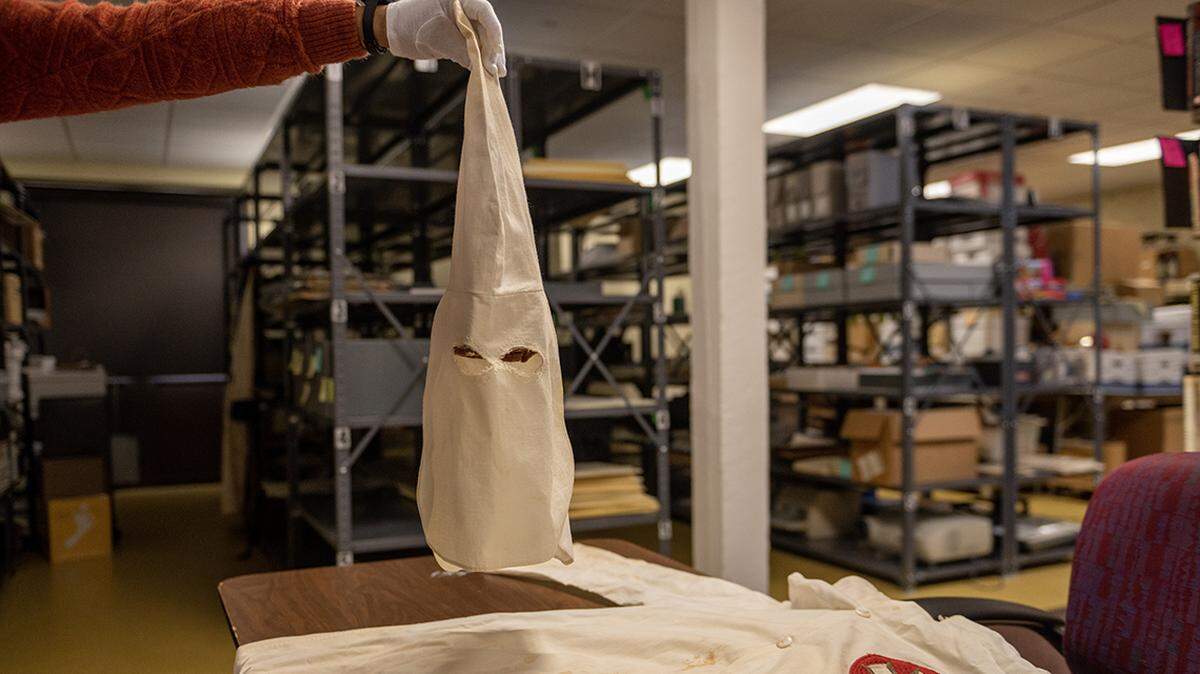
In the early 1920s, it is estimated the Ku Klux Klan had more than 60,000 members in Kansas. In September 1924, the Klan held the Second Imperial Klonvocation in Kansas City. It attracted 5,000 delegates from across the country. They were told by grand dragon Hiram Evans that they were “of superior blood.”
When people think of the Klan, the Confederate states come to mind. In fact, the original incarnation of the Klan dates to 1866, when Confederate soldiers met in a small town in Tennessee to form a secret club. Their first leader was a former Confederate general, Nathan Bedford Forrest, who declared himself grand wizard.
Initially, the Klan attracted Confederate soldiers who were bitter about losing the Civil War and the freedom given to slaves. But the Klan grew into an equal opportunity hate group, with targets including Catholics, Jews, homosexuals and immigrants.
The Klan was also active throughout the heartland of America.
In the early 1920s, the second version of the Klan numbered more than 6 million men who vowed to maintain white supremacy forever. Their wives and children were also enlisted.
It is difficult today to grasp the visibility of the Klan and its leaders. In Indiana, grand dragon David Stephenson rode to work in a chauffeur-driven Cadillac, lived in a spacious mansion and had a 98-foot yacht. He was photographed with the governor at the inauguration ball and heartily applauded for using the Klan to gain control of the state. Of Indiana’s 92 counties, 90 had Klan chapters.
The Klan claimed to control 15 U.S. senators and 30 congressmen. In many cities, the police, judges, ministers, mayors and newspapers supported Klan activities. Most received direct cash support from the group. These community leaders would meet in private to choose who would run in elections for every office available.
The most frightening aspect of the Klan was lynching. While the group wasn’t behind all such attacks, racial terrorism was widespread. Between 1883 to as late as 1941, some 4,500 people were lynched, including 41 in Kansas. In Salina, Dana Adams was lynched on April 20, 1893. Despite a large crowd in attendance, no arrests were made. When Adams’ father approached the city council about some type of reparation for his son, the council said the son’s life was worth two dollars.
As the lynching, beatings and sheer terrorism by the Klan continued, members insisted they were “100% American” and devoted to law and order. They also acted, astonishingly, as a morality police. They were disgusted by immigrants making their own beer and appalled by women who bobbed their hair, wore “inappropriate” clothes and danced to jazz music.
The Klan broke up parties, searched for lovers in parked cars and invaded private homes looking for alcohol and card playing. They tried to ferret out adulterers. A white doctor was whipped, tarred and branded because he filed for divorce. In doing so, the Klan claimed their efforts were to preserve the sanctity of the home.
By 1921, the Klan was called to account for itself in congressional hearings. Imperial wizard William Simmons opened his testimony by saying: “Allow me to introduce myself. I am a churchgoing man.” He continued to say there was nothing wrong in promoting white supremacy. It was only white pride, and not anti-American.
In an act of defiant hubris, he said: “Our masks and robes are not worn for the purpose of terrorizing people. I say, before God, they are as innocent as the breath of an angel.”
In 1925, Kansas made history and became the first state in the nation to legally oust the Ku Klux Klan. Led by newspaper editor William Allen White, the state outlawed Klan activity. White said at the time: “What was once a thriving and profitable hate factory and bigotorium now laughed into a busted community.”
The Kansas State Historical Society maintains an extensive collection of Klan documents and photographs. A new book by Pulitzer Prize winning author Timothy Egan is an excellent, highly readable history of the Klan in the Midwest. It’s titled “A Fever in the Heartland: The Ku Klux Klan’s Plot to Take Over America, and the Woman Who Stopped Them.” Quotations taken from the book for this article are used with permission from the publisher.