
How do Kansans experience the state’s wildlife? This state agency decided to find out | Opinion
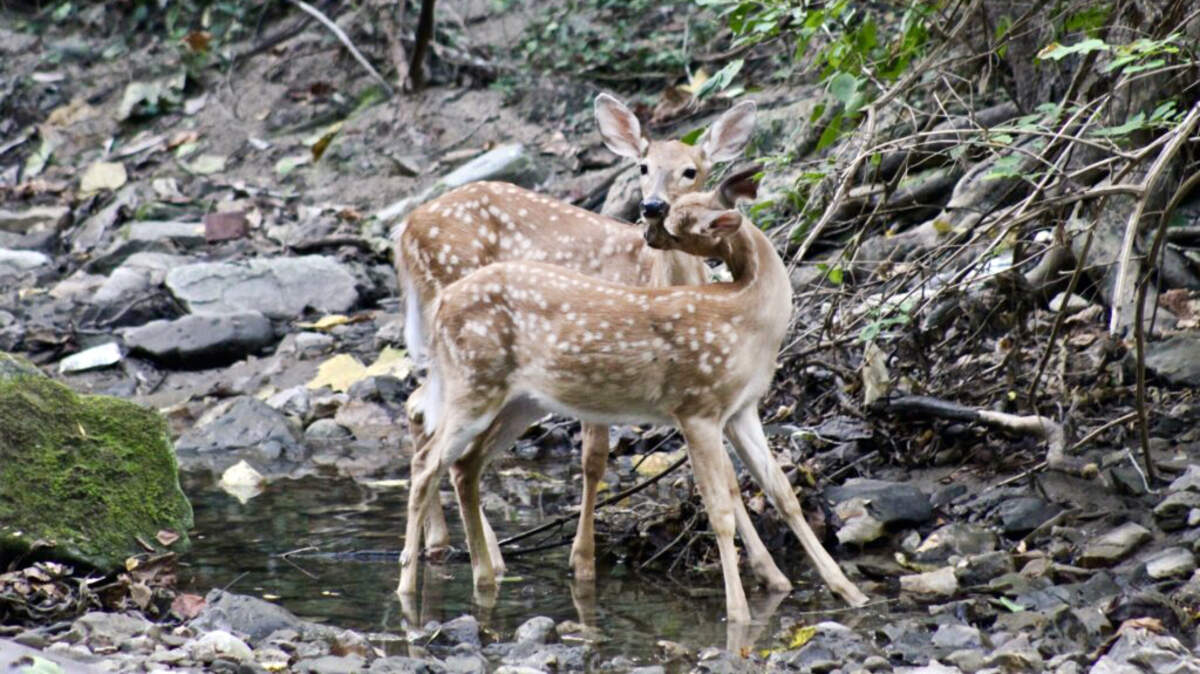
My earliest forays into nature were made in my father’s wake, as he hunted the timber and fields of my grandparents’ farm.
Clambering along behind my dad was my favorite way to spend a Saturday, until the day he took aim at two doves — hitting the first and missing the second. Knowing these birds often mate for life, it was not the one he killed that touched my heart. It was the one left behind. I can still see the hedgerow and that lone bird flying east toward open pasture. At that moment, I knew hunting was not for me, but my love of the natural world was absolutely born in those years.
I used knowledge gained then to become a conservationist now. Because of this background, I listened with interest to a recent Kansas Department of Wildlife and Parks Flatlander Podcast that addressed the findings of the Kansas Wildlife Viewer Survey.
Traditionally, state wildlife agencies have been financially supported through hunting and fishing licenses and have thus catered to populations that enjoy these activities. But in 2018, the Association of Fish and Wildlife Agencies began to recognize that society was changing. While the numbers of anglers and hunters was stagnating, wildlife viewing was a growing activity. By 2019, it had produced a Relevancy Roadmap, and the information from that document inspired a survey sponsored by Virginia Tech allowing states to gain a better understanding of what their local communities expected.
Kansas was one of 15 states that chose to be involved.
Completed in the fall of 2021 by 765 Kansans from both urban and rural settings, the survey allowed participants to categorize themselves as either “consumptive” or “non-consumptive” wildlife viewers. The former was defined as hunters and anglers and the latter as those who were not, viewing wildlife via the state park system or home activities such as backyard bird feeding.
In the podcast, however, KDWP Wildlife diversity coordinator Daren Riedle said he feels there is likely a “gray area” because many of those considered “consumptive” participants also spend time viewing wildlife when they are not hunting and fishing.
Overall, survey participants split fairly evenly, with non-consumptive wildlife viewers tipping at 53%. Consumptive viewers were more familiar with KDWP and its programs. Financial contributions primarily came from fishing licenses and land access permits, though 25% of respondents had made no contributions to the agency. One-third of all participants said they didn’t think KDWP was doing enough to protect state wildlife and its habitat. However, a third of participants said they would increase support to the agency if they knew funds were being used for conservation. Other issues included access to wildlife viewing opportunities and communication from the agency.
KDWP listened. While many of the department’s programs are well established, it is expanding efforts based on information gained from the survey.
For example, in a written response, the department explained it has “a long history of protecting of non-game species,” and it reviews lists of species that are “in need of conservation,” “threatened” or “endangered” every five years.
If you have contributed to the Chickadee Checkoff on your tax forms, you have likely supported these efforts, as the program funds projects geared toward understanding non-game bird and wildlife populations in the state. It also provides grants to nonprofit organizations such as Audubon of Kansas. Donations can be made throughout the year via the KDWP website.
The agency also stated that its has made “strategic purchase(s) of several properties that offer critical food, habitat and shelter for both non-game and game wildlife.”
Aside from these established programs, KDWP is also “actively investing in increased trail access via the Department’s recent award of a multi-million dollar RAISE grant for Kansas State Parks” and has implemented a new Kansas Birding Trails program. It is also constructing viewing stations and placing educational signage at select wetlands. Each of these projects addresses issues of accessibility.
For state agencies to consider their own relevancy takes a fairly broad scope, but KDWP has done it. When asked why they were willing to make such considerations they wrote that they hoped to “gain additional insights” from non-traditional users. Further, “relevancy means identifying ways to broaden and diversify our user base … creating pathways through which the long-term survival of, and financial support for, native species can be ensured.” Through purchasing access permits and licenses or checking the box at tax time, we will also ensure our ability to enjoy these species.