
We are divided and spending away our kids’ future because it pays special interests
With tens of millions of Americans out of work, how we recover from the COVID-19 crisis is on everyone’s mind. It is a situation that calls for a united response. Unfortunately, our political system is excessively focused on dividing Americans to win elections, and it doesn’t appear this crisis will break the grip on this strategy and unite us.
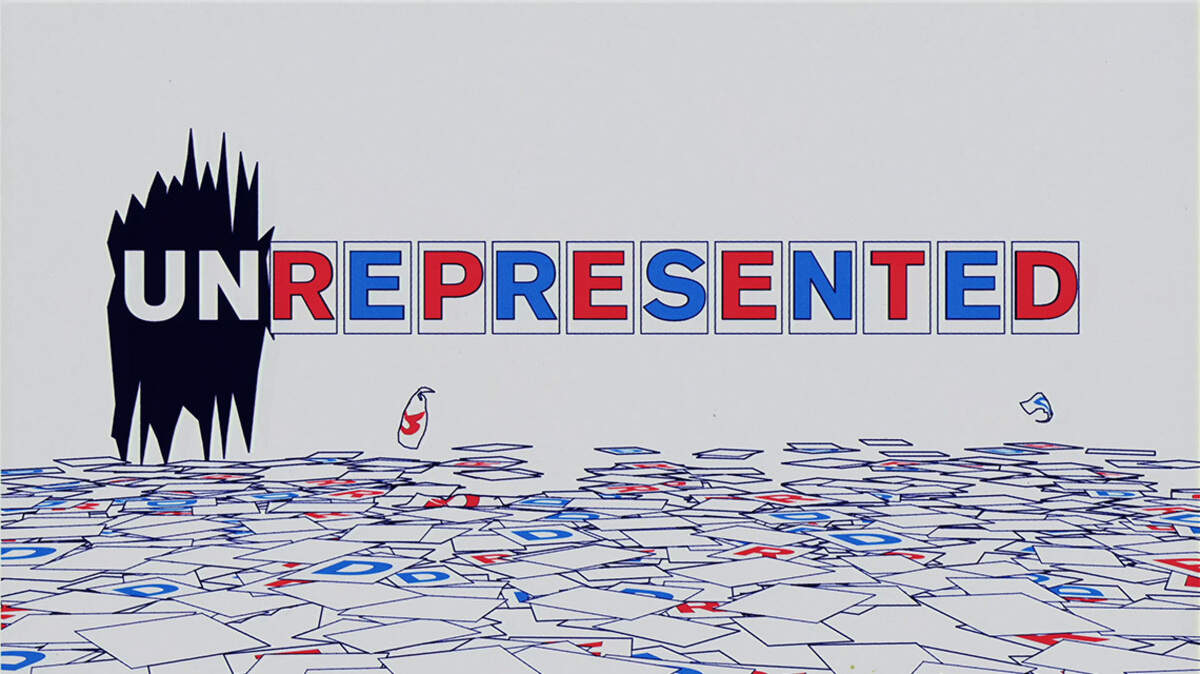
The mechanisms that drive this division are the subject of my new documentary, “UnRepresented.” Airing on PBS early next year, the film examines the financial incentives that make this polarization profitable for the special interests that invest billions of dollars each election cycle.
It will come as no surprise to anyone that big money wields significant influence in Washington. What is shocking, however, is just how much is being spent and how quickly this amount has grown. It’s estimated that during this election cycle, more than $10 billion will be spent — roughly double the total from 2008.
This means that only the very rich or individuals who spend the majority of their time raising money from wealthy donors and special interest groups can run for federal office — giving insiders and special interests enormous power in our political process.
What’s equally shocking is the amount of money these interest groups get in return in the form of spending and tax breaks. The pharmaceutical industry alone is estimated to receive more than $40 billion a year in excess profits because Medicare Part D pays these companies the price they ask for drugs without any negotiation.
In the recent coronavirus relief legislation from Congress, $14 billion was allocated to universities, many with large endowment funds. Billions are going to corporations such as Delta Air Lines, which made $14 billion in stock buybacks and dividends since 2013 while accumulating an additional $9 billion in debt with very few strings attached. That’s a terrific return on the mere $7.6 million Delta is known to have contributed to federal elections since 2013.
Additionally, while good arguments can be made that Congress had to create trillions in debt to fund spending in response to COVID-19, it continues a trend of unlimited debt that has removed a fundamental check the American people need to hold government accountable. In just the last 20 years, unlimited debt has been used to fund the President George W. Bush’s tax cuts, Medicare Part D, the wars in Iraq and Afghanistan, the bank bailouts, the Affordable Care Act and President Donald Trump’s tax cuts. Whether the American people truly supported these measures we will never know, because they’ve never been asked to pay for them.
Instead, recipients of these funds turn around and reinvest a share of the proceeds back into campaigns, political parties and lobbying government. Functionally speaking, it doesn’t matter to them that Americans are divided, because they have a source of power and a method for achieving it that are unchecked.
This is a corrupt cycle of financial incentives that will need to be broken so that our political system gets back to the job of reconciling differences and uniting people rather than dividing us with anger and fear.
“UnRepresented” is a rallying call to bring committed public servants, activists and everyday Americans together to take action across partisan lines to fix our flawed political system. On Thursday, members and guests of Kansas City’s own American Public Square will have a special opportunity to preview the film and take part in a civil conversation about the contentious subjects it covers. We welcome readers to participate in this important event.
The screening and panel are at 6 p.m. Central Thursday. Register at americanpublicsquare.org/event/unrepresented
Andrew Rodney is executive producer and writer of “UnRepresented,” a documentary film about money in American politics.
This story was originally published May 27, 2020 at 5:00 AM.