Why one Kansas City neighborhood marks anniversary of massive flood with a dance
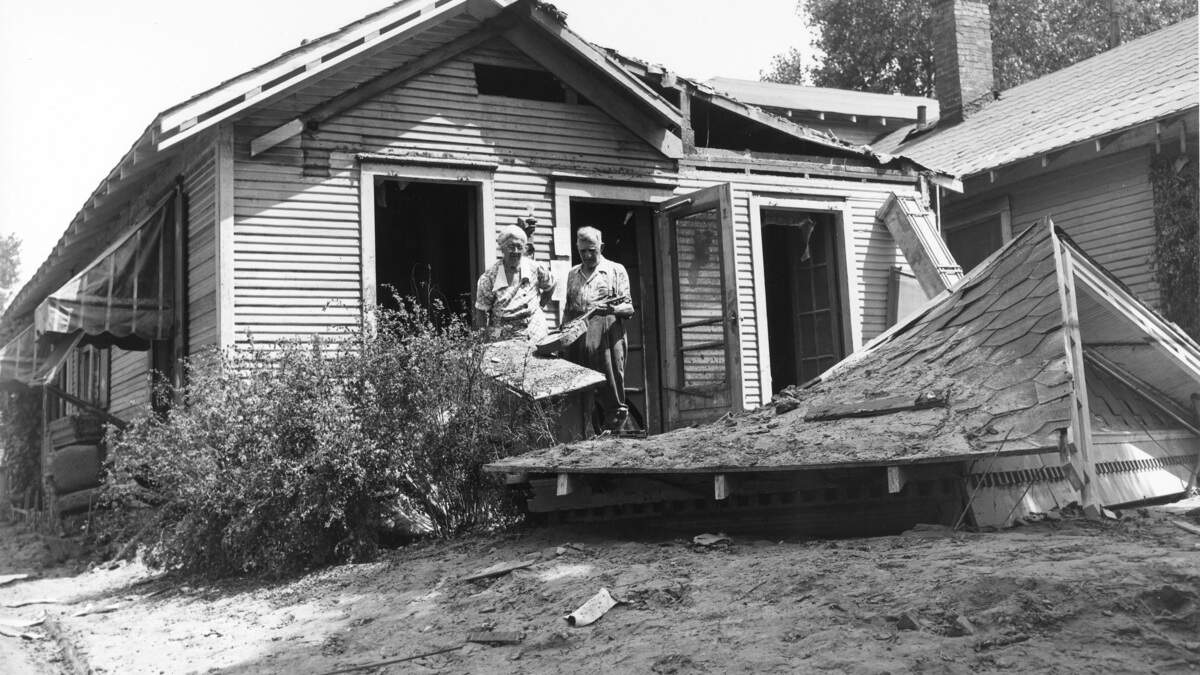
Argentine is getting ready to remember the devastating 1951 Flood with a dance on Saturday, July 18.
At first, it might seem unusual to mark a natural disaster with live music, food, drinks, and dancing. The 1951 Flood claimed lives, destroyed homes and businesses, and scattered one of Kansas City’s largest Hispanic communities.
But for Amanda DeVriese-Sebilla, event organizer and Executive Director of the Argentine Betterment Corporation, the reason is clear: resilience.
KCQ looks back at the 1951 Flood and a new Kansas City Public Library exhibition, “Hell and High Water,” which opened at the Central Library on July 11.
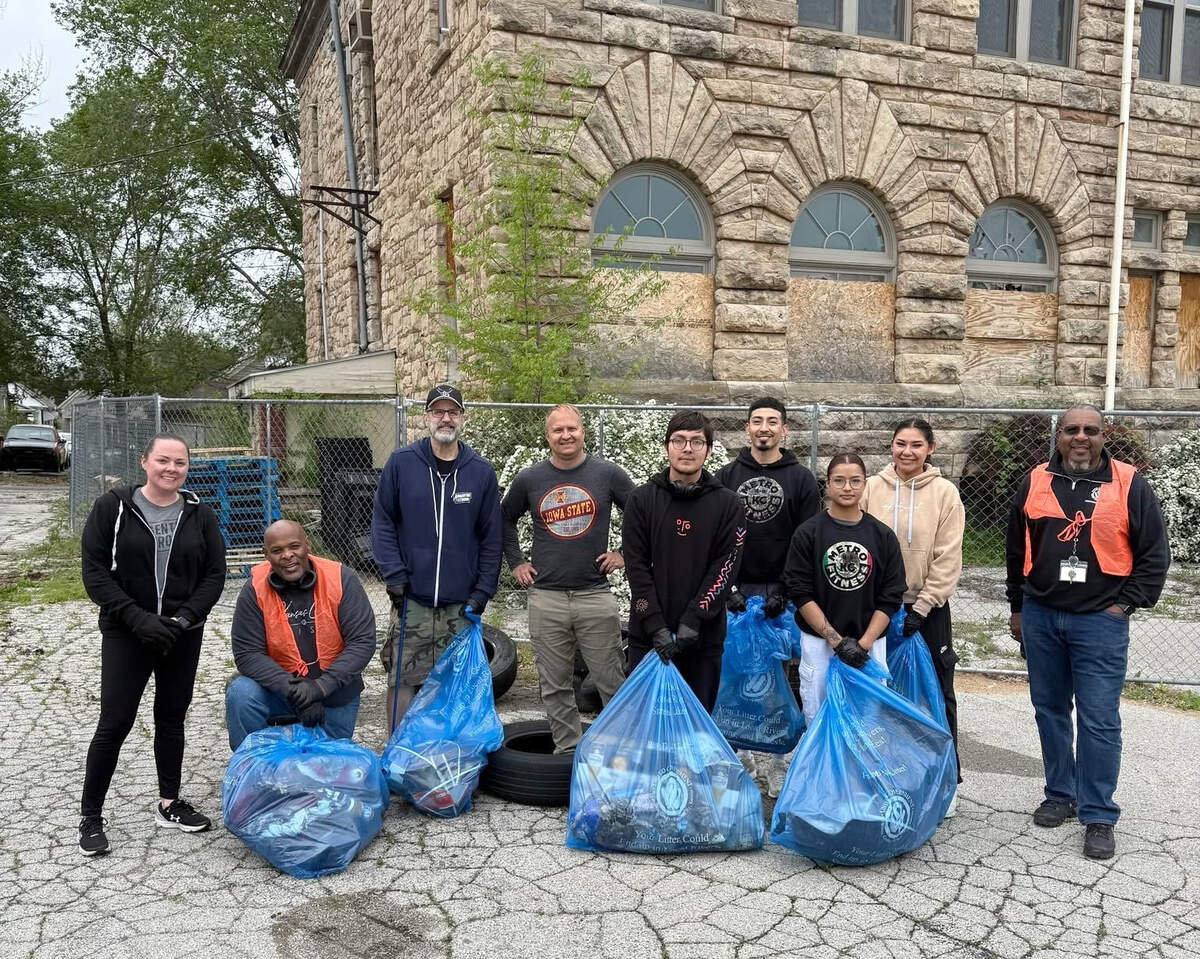
Argentine, with its location near the confluence of the Kansas and Missouri rivers, made it an ideal center for industry.
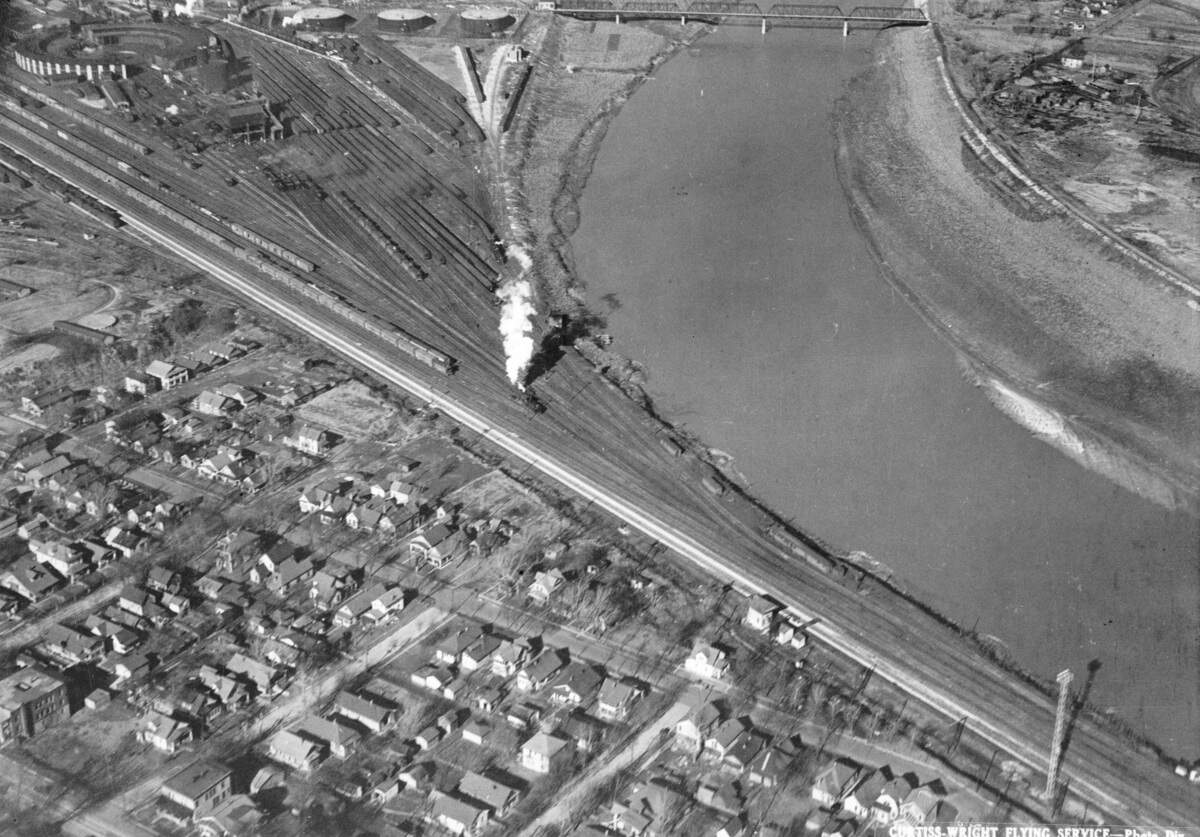
The Atchison, Topeka & Santa Fe Railway and the American Consolidated Smelting and Refining Company were among the first industries to establish operations in the area. As these companies grew, they attracted waves of Eastern European and Mexican immigrant workers, quickly transforming Argentine into a diverse and multicultural community.
That growth was repeatedly interrupted by flooding. By 1910, the financial burden of rebuilding had become unsustainable, prompting Argentine to consolidate with Kansas City, Kansas.
Unfortunately, during the early to mid-twentieth century, negative perceptions of immigrant and ethnic laborers led many outsiders to view their neighborhoods as unsafe, unclean, and detrimental to the social fabric of American cities.
DeVriese-Sebilla said those attitudes had lasting consequences for Argentine, describing housing segregation as one of the community’s greatest historical challenges.
Real estate developers like J.C. Nichols, along with many others, used restrictive racial covenants to keep minority residents in segregated neighborhoods.
At the same time, the Home Owners’ Loan Corporation, a federal agency created as part of the New Deal in the 1930s, developed a neighborhood rating system that assessed mortgage-lending risk. This system considered factors such as race, occupation, and income — a practice now known as redlining. Argentine was given a hazardous, or “red,” rating, discouraging lenders and investors from financing homes and businesses in the area.
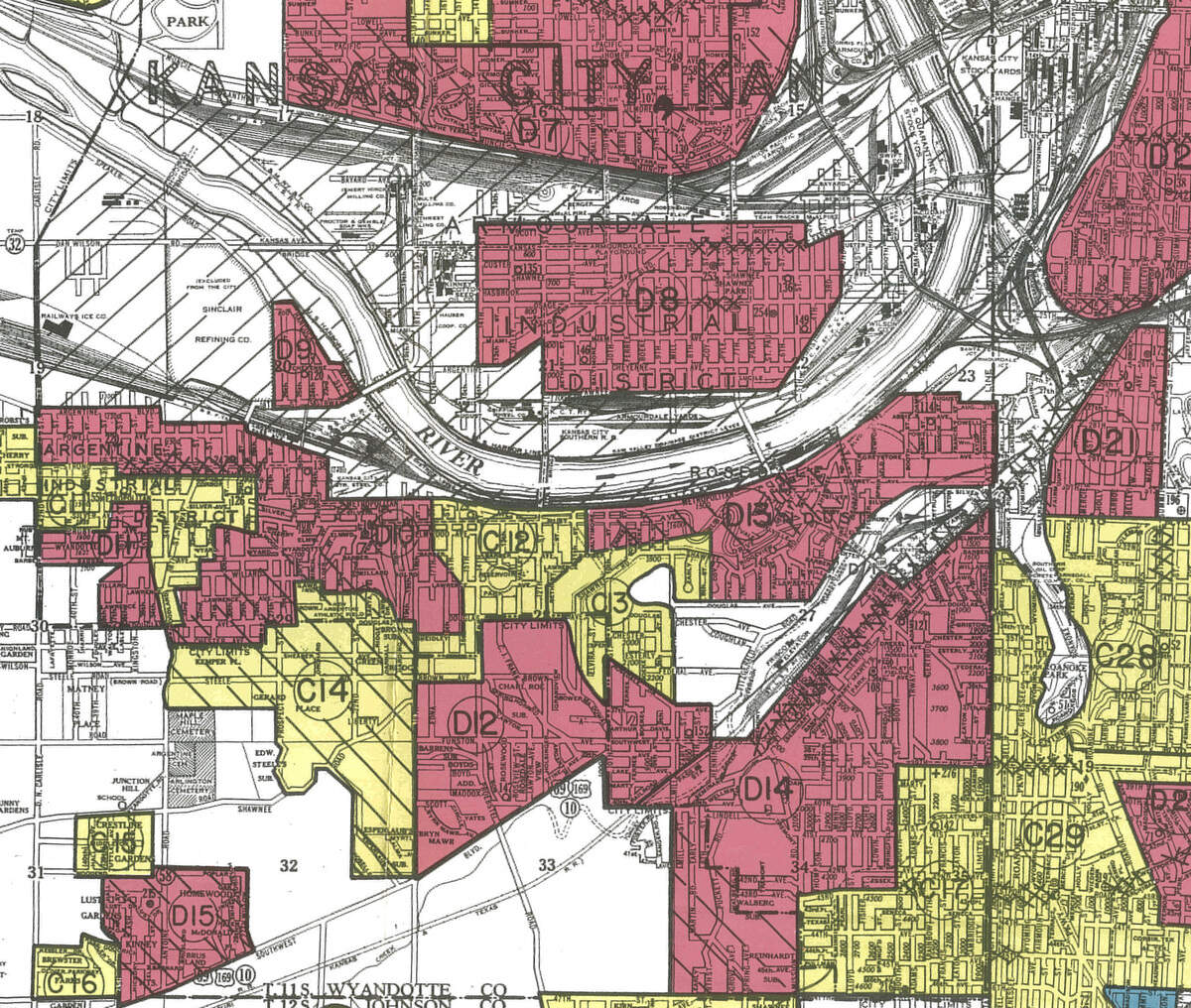
Together, these practices trapped many minority residents in flood-prone neighborhoods while limiting both opportunities to move elsewhere and investment in the communities they called home.
Before 1944, local governments operated their own flood and river management systems. That year’s Flood Control Act created the Missouri River Basin Project (now known as the Pick-Sloan Missouri Basin Program), mandating coordinated flood-control efforts across municipal and state lines.
But the outbreak of the Korean War in 1950 shifted federal spending priorities toward national defense and power-generating dams, delaying flood-control measures such as levees designed to protect low-lying communities like Argentine.
By summer 1951, unusually heavy rainfall had overwhelmed existing and newly built flood-control structures along the Kansas, Marais des Cygnes, and Neosho rivers and their tributaries. Floodwaters devastated riverfront communities from Hays to Lawrence. Despite the mounting danger, the Army Corps of Engineers insisted towns in the Kansas City area would be safe.
They were wrong.
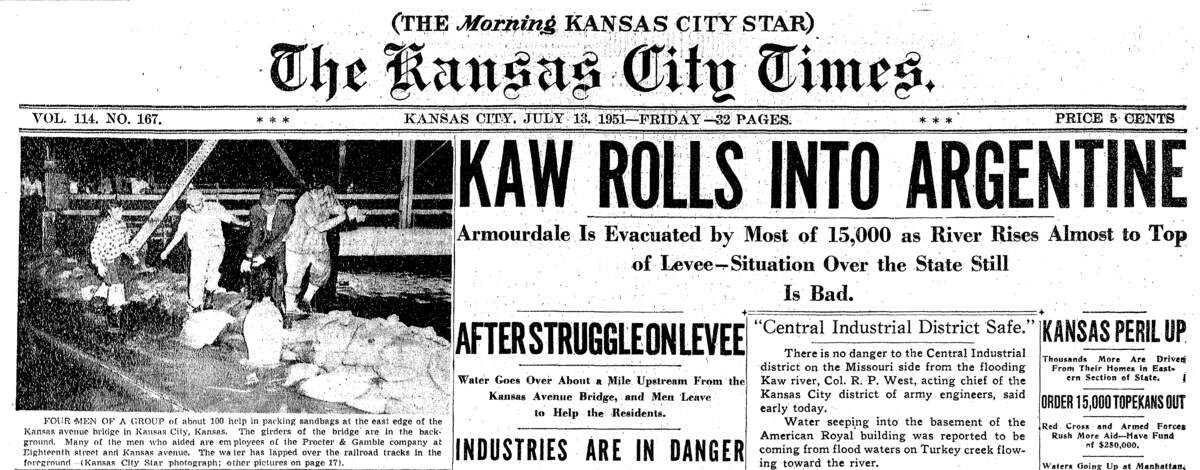
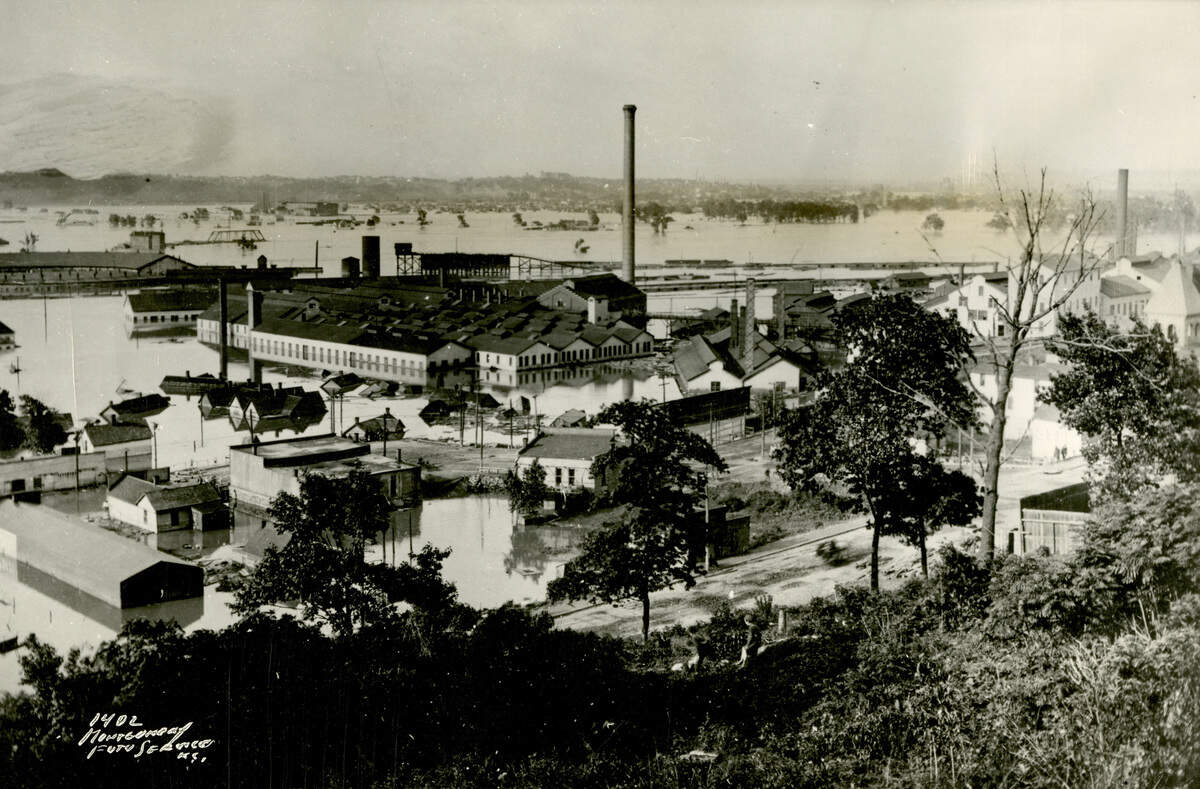
In the early hours of July 13, 1951 — a day now remembered as Black Friday — water breached the levees protecting Argentine, then swept into Armourdale, the West Bottoms, and the Fairfax industrial district.
Overnight, thousands lost their jobs, businesses, and homes.
Five people died in the Kansas City area alone. Adjusted for inflation, the flood caused nearly $12 billion in damage. It became both a national tragedy and a costly lesson for the federal government on the importance of comprehensive flood management.
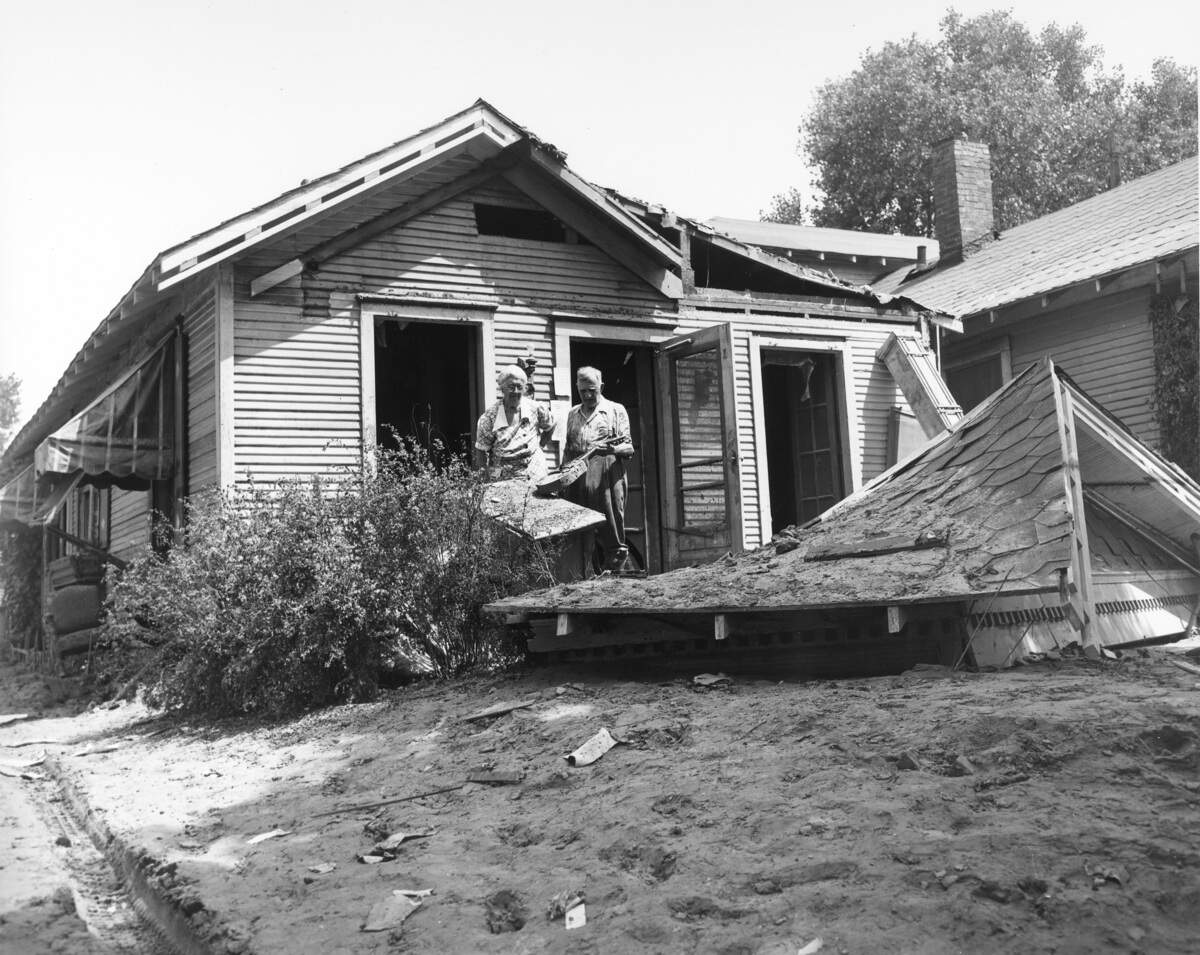
But the flood itself was only the beginning.
Because of their proximity to the river, Argentine’s Hispanic community was disproportionately affected. With flood damage stretching across the Midwest, few outside resources were available, so residents had to handle most of the recovery on their own.
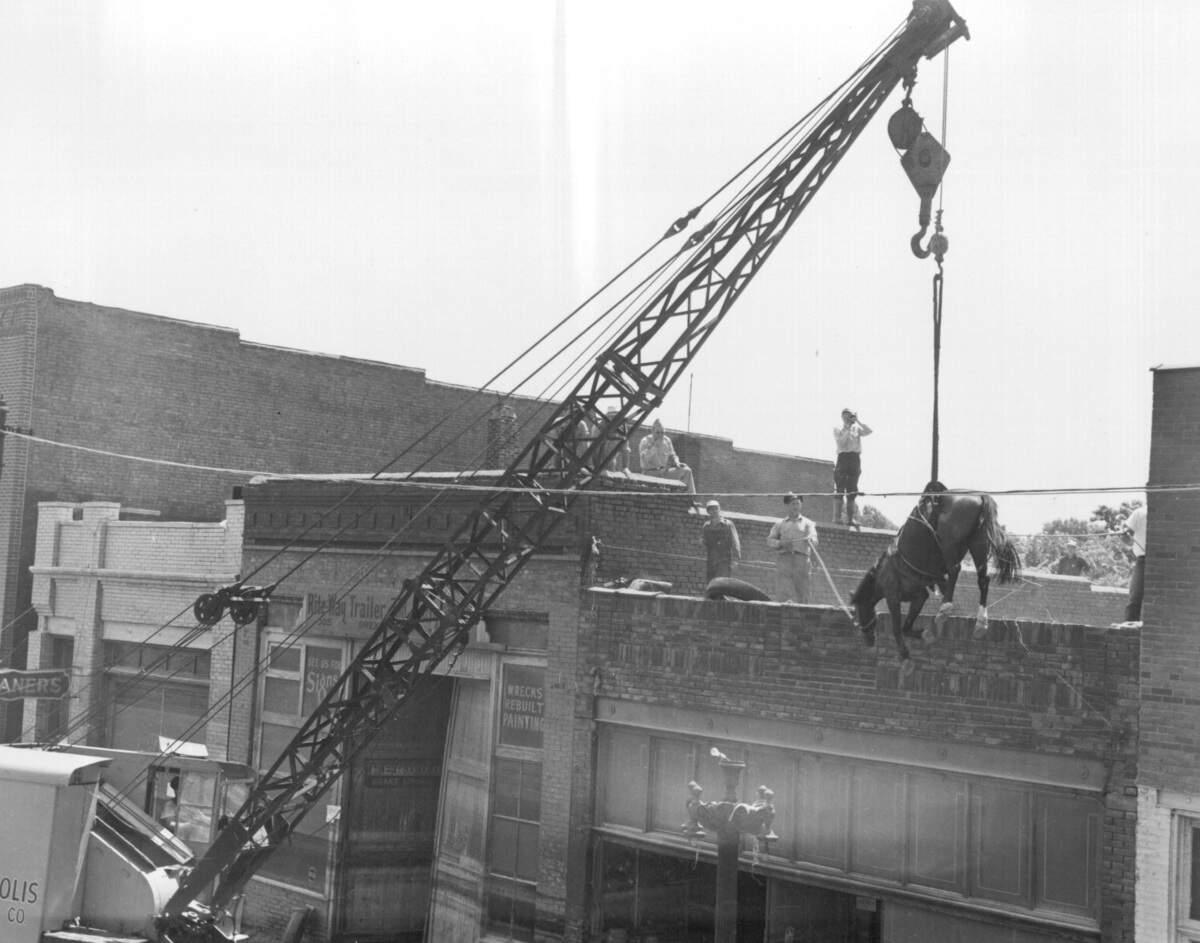
Many who lost their jobs in the flood found work cleaning up the stockyards. Coordinated by Disaster Corps, Inc. — an organization formed by construction and labor leaders to oversee recovery efforts — they undertook the grim task of disposing of thousands of livestock carcasses left to rot in the summer heat.
Those experiences survive not only in newspaper accounts, but in the recorded memories of those who lived through them. The Kansas City Public Library’s oral history project, Speaking of Kansas City, preserves the firsthand accounts of Hispanic flood survivors from Argentine. Their stories recount the devastation to homes and businesses, life in temporary shelters, and the difficult process of rebuilding or relocating.
The 1951 Flood marked a turning point in Argentine’s history. Many businesses never reopened, countless families never returned, and major employers such as the Kansas City Stockyards entered a long decline that ultimately ended in their closure.
Today, Argentine is primarily a residential neighborhood, with traces of its industrial past still visible throughout the community.
The upcoming event is not the first dance held to commemorate the 1951 Flood. The tradition began shortly after the disaster as a reunion for displaced survivors and gradually evolved into a celebration of the community’s resilience.
Over time, however, the tradition faded as survivors aged and passed away. The COVID-19 pandemic further interrupted efforts to keep it alive.
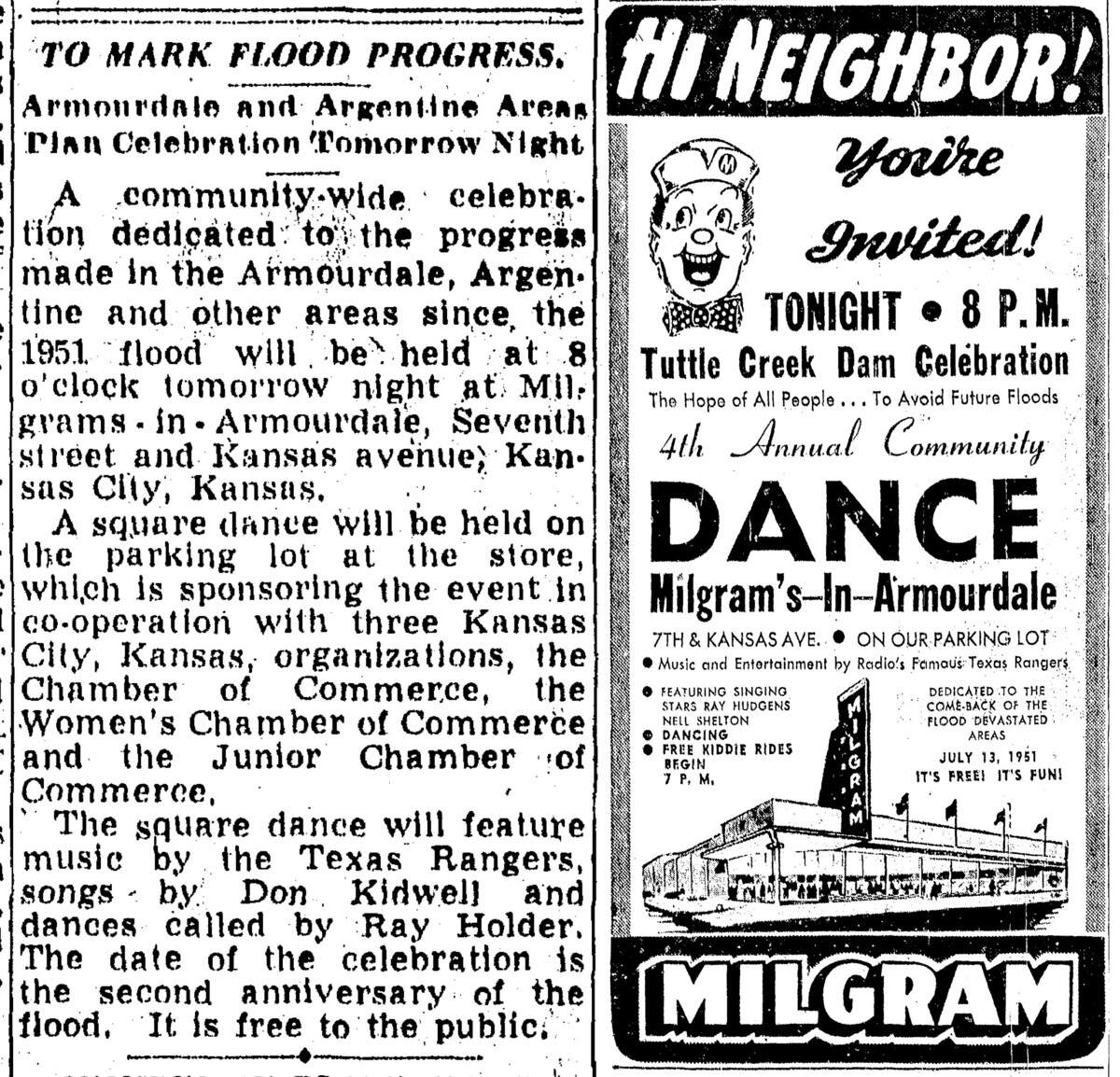
To mark the 75th anniversary of the flood, DeVriese-Sebilla thought it was the perfect time to revive the tradition. The decision drew some criticism, with both residents and outsiders questioning why the community would celebrate such a tragic event.
Her response was simple: “We should be celebrating that they survived. We are not celebrating the flood; we are celebrating renewal and resilience.”
Resilience is still an essential component of the community’s identity. Argentine has faced more flooding, with the most recent in 2025. While the river is no longer the primary threat, aging stormwater infrastructure has struggled to keep pace with increasingly intense rainfall, so the community keeps having to recover.
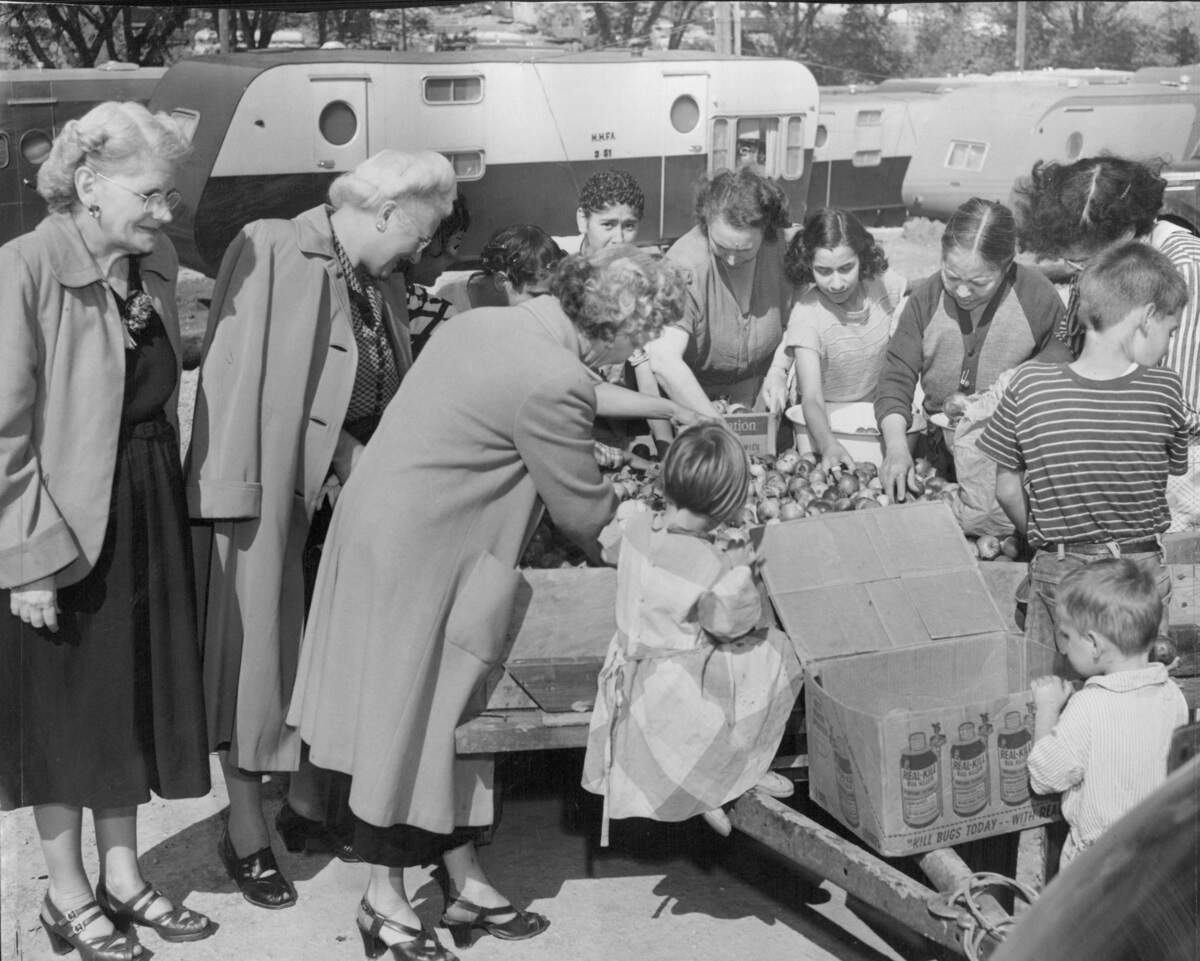
The 1951 Flood Dance will be held Saturday, July 18, at 5 p.m. at Pierson Community Center. Survivors will be recognized, and a commemorative slideshow of archival photographs and a traveling exhibit curated by the Wyandotte County Historical Museum will help younger generations learn about the disaster and the community’s enduring legacy.
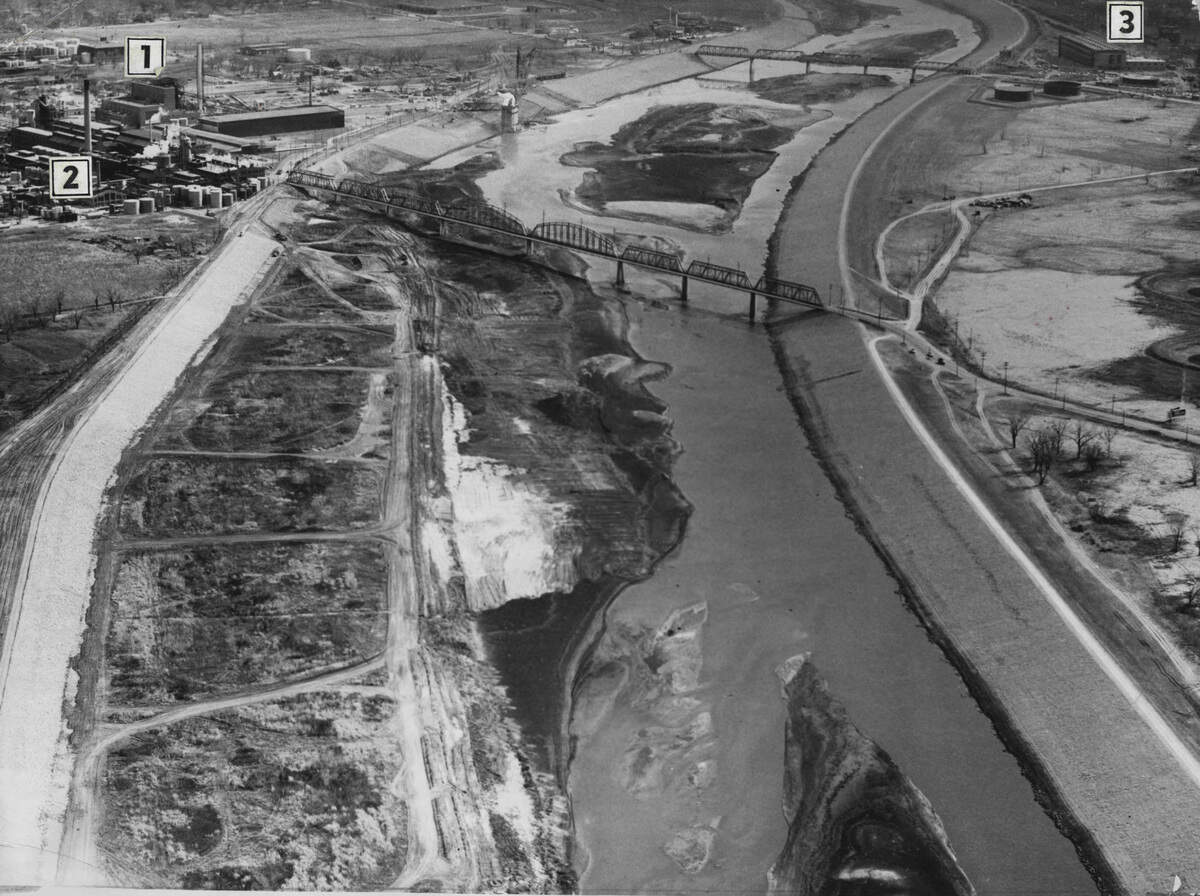
The Kansas City Public Library will continue that remembrance with “Hell and High Water: The 1951 Kansas City Flood,” on view through Jan. 3, 2027. As part of the exhibition, author Brian Burnes will discuss his book “High & Rising: The 1951 Kansas City Flood” and the disaster’s impact during a program at 6 p.m. Tuesday, July 21, at the Central Library.
DeVriese-Sebilla hopes these events will remind others of what makes Argentine special.
“We are such a strong, connected, and resilient community,” she said. “It’s something not a lot of people see unless you’re boots on the ground in Argentine.