
This Kansas Citian was first Black woman to produce a film. KCQ tells her story
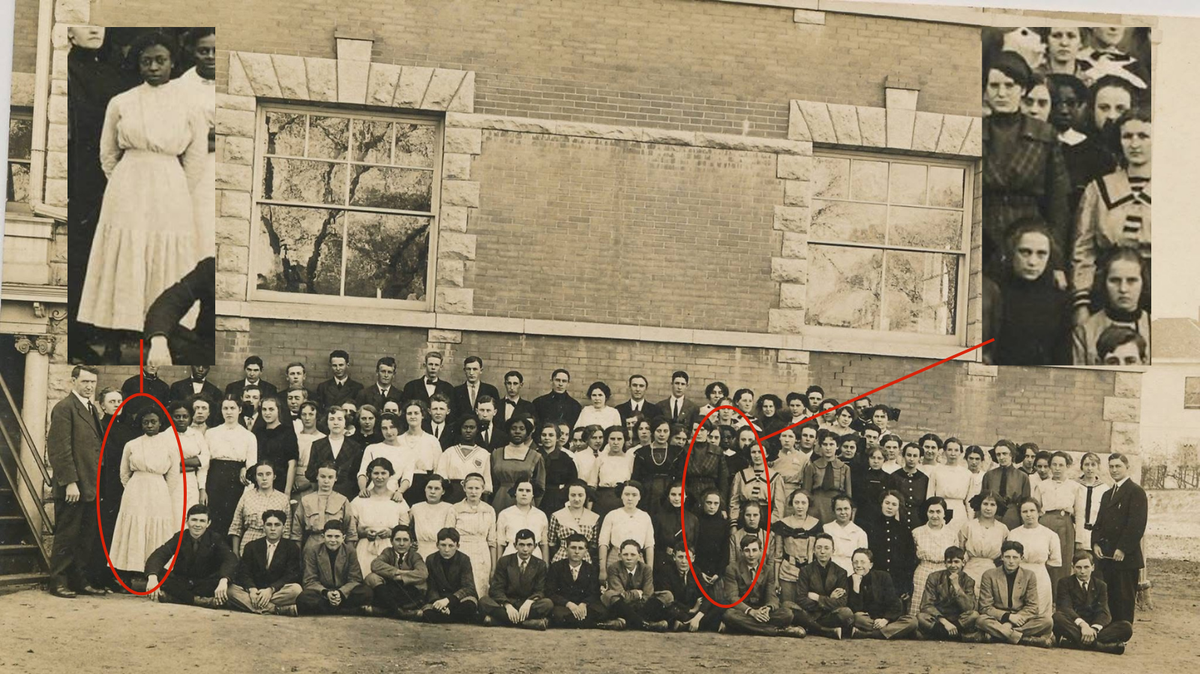
On Jan. 28, 1922, Billboard magazine ran a brief ad announcing the expansion of Kansas City’s Afro-American Film Exhibitors Company, which had just closed a contract with Theresa “Tressie” Souders of Kansas City for the distribution of her film “A Woman’s Error,” called “the first of its kind to be produced by a young woman of our race.”
One hundred years later, the Black Movie Hall of Fame, plans to honor Souders as a member of its inaugural class of inductees.
And yet, despite her claim to fame as the first African American woman to produce a film, almost nothing is known of Souders’ time in Kansas City or her life after “A Woman’s Error.” She gave no public interviews and no known photographs of her survive.
While it may be impossible to fully rescue Souders’ story from obscurity, What’s Your KCQ takes a deeper look at her life and the local Black film industry through which she sought to make a name for herself.
Souders was born in Marshall County, Kansas, in 1897. Her grandparents, Edward and Sallie Bryant, emigrated from Kentucky in 1880 along with tens of thousands of other Exoduster families fleeing the racial violence and economic exploitation of the post-Civil War South.
Her mother, Leuvenia, one of 12 children, was 17 at the time of her daughter’s birth and took a job as a servant in the town of Vermillion. Little is known of Souders’ father, Robert, but in 1903 Leuvenia sued for divorce and obtained custody of their child.
Leuvenia subsequently remarried, and by 1914 both Souders and her aunt, Jennie Bryant, who was Souders’ age, were living with Souders’ parents and attending Frankfort High School.
Tressie Souders’ arrival in KC
Souders was not the first in her family to relocate to Kansas City. In 1915 her aunt, Douvia Bryant, enrolled in a nurses’ training course at the segregated General Hospital No. 2. Soon after, Douvia’s sister, Margaret, also moved to the area and found work as a maid.
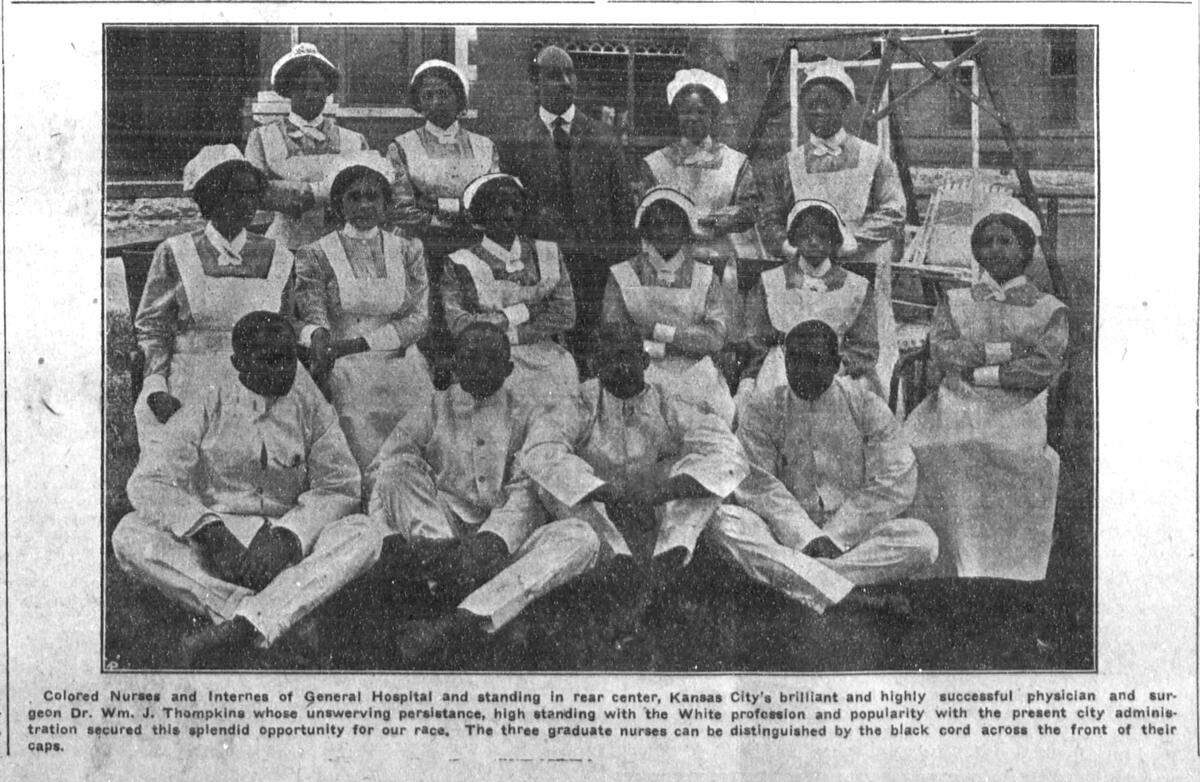
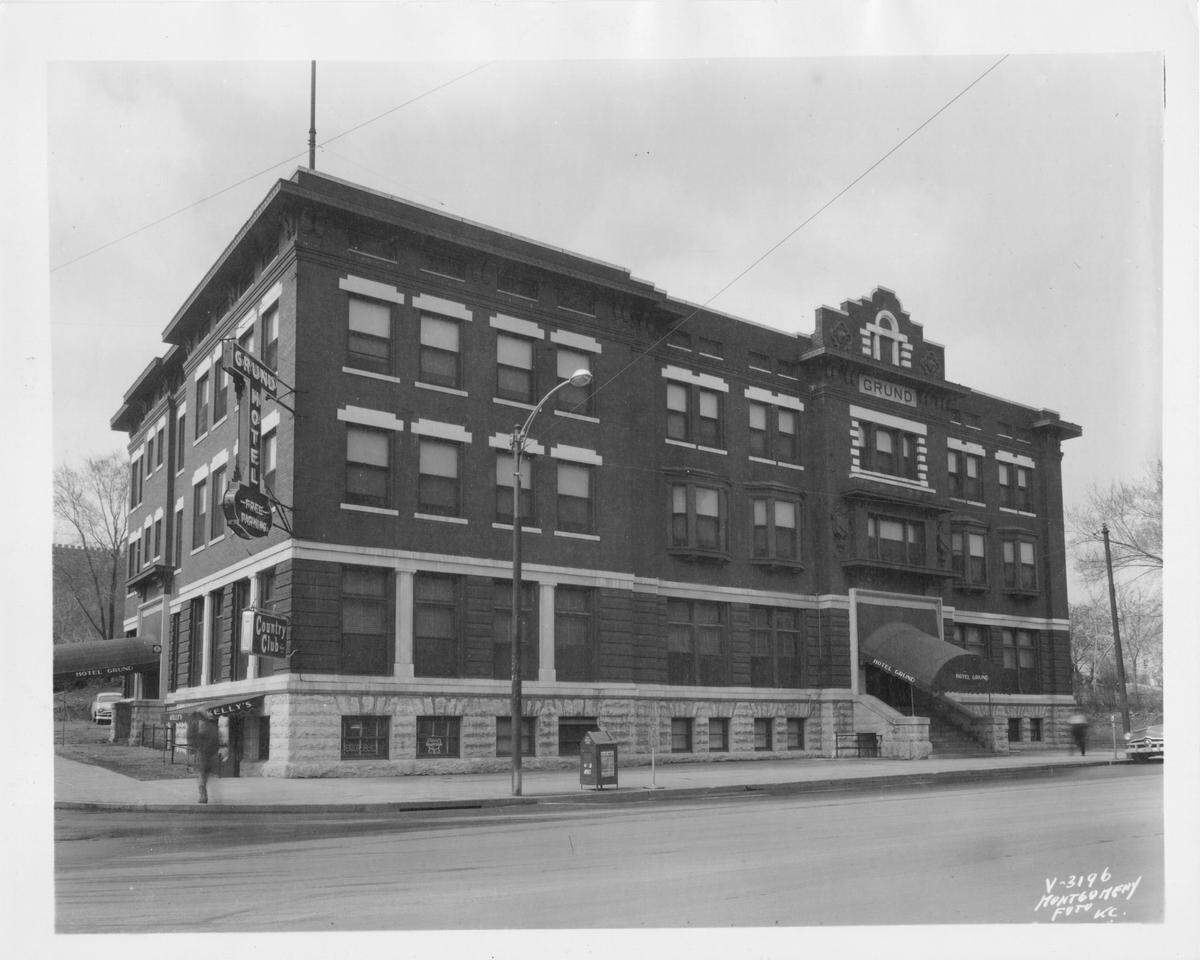
Within a few years, Douvia and Margaret were working together as a live-in nurse and maid, respectively, at 430 Washington Boulevard in Kansas City, Kansas. Soon thereafter, Souders and Jennie left Frankfort and moved into the nearby Yates branch of the YWCA at 337 Washington Boulevard, taking jobs as waitresses at the Grund Hotel.
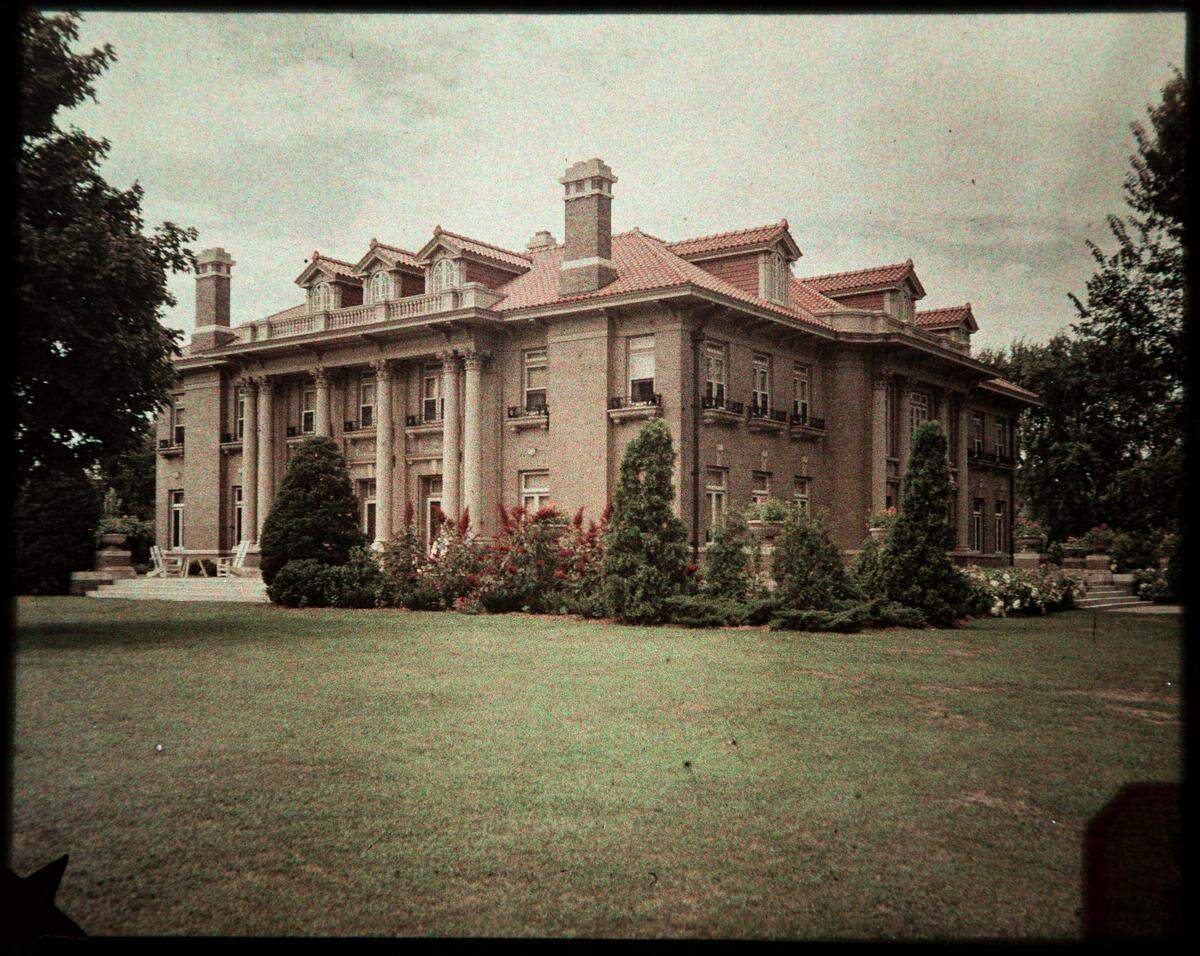
By 1920, Souders, Jennie and Margaret all worked on the Missouri side of state line. Margaret took a servant post at the Wornall Road estate of financier Otto Van Laningham, while Jennie and Souders secured jobs at the palatial Mack B. Nelson home at 5500 Ward Parkway.
But that’s the last time Souders’ name appears in local records.
While Jennie remained at the Nelson home for several years, Souders is unlisted in the 1922 city directory, indicating that she may have left her job to work on her film.
KC’s lively Black film scene
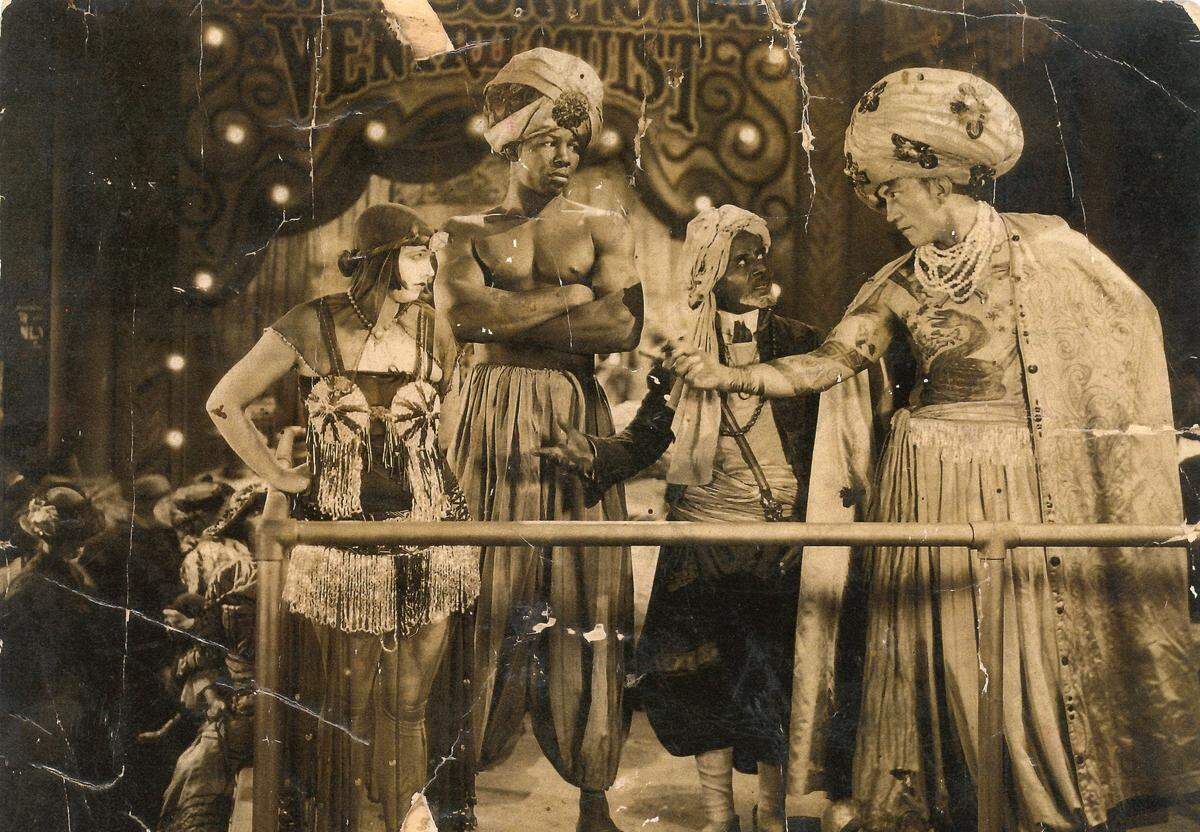
While it is not known exactly how Tressie became involved in the business, by the early 1920s, Kansas City was home to a burgeoning film scene of Black actors and producers looking to emulate the success of early African American film pioneers like Oscar Micheaux and Noble Johnson. Locally produced films with casts of local talent were proudly screened by theaters like Love’s at 24th and Vine, the Lincoln at 18th and Lydia, and the Panama at 12th and Woodland.
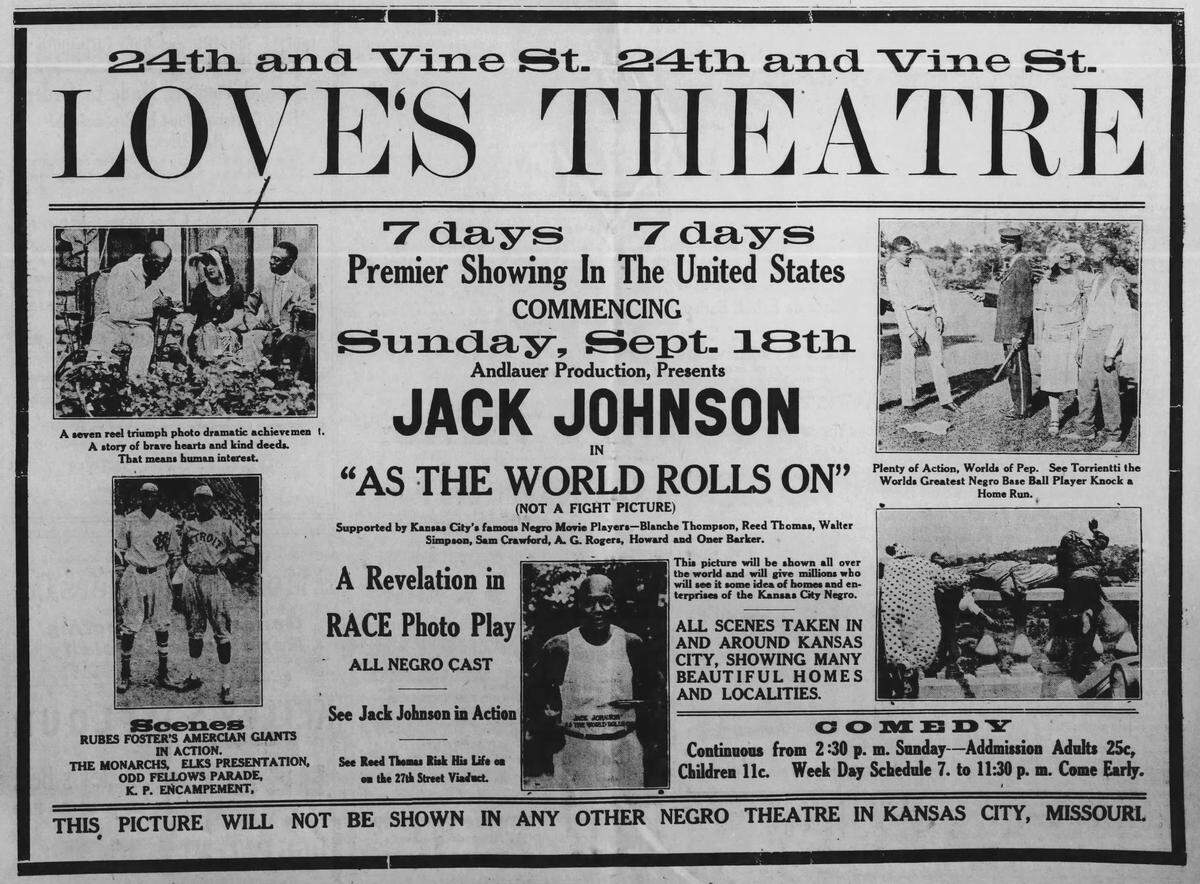
Celebrated local companies included the Progress Picture Producing Association, headquartered at 1120 Vine Street and known for its 1921 film “The Lure of a Woman,” as well as the Gate City Feature Film Company, which purchased a farm near 85th and Troost to shoot the picture “A Man from Prison.”
The Afro-American Film Exhibitors Company, which reportedly contracted with Souders, was organized by a group of locals including Charles H. Allen and Arthur A. Anderson.
Allen was a dramatic actor known for his roles in the productions of local playwright A.C. Gates. In 1921 Allen was cast alongside A. Porter Davis in “The Lure of a Woman,” and he may have formed the Afro-American to help with that film’s distribution.
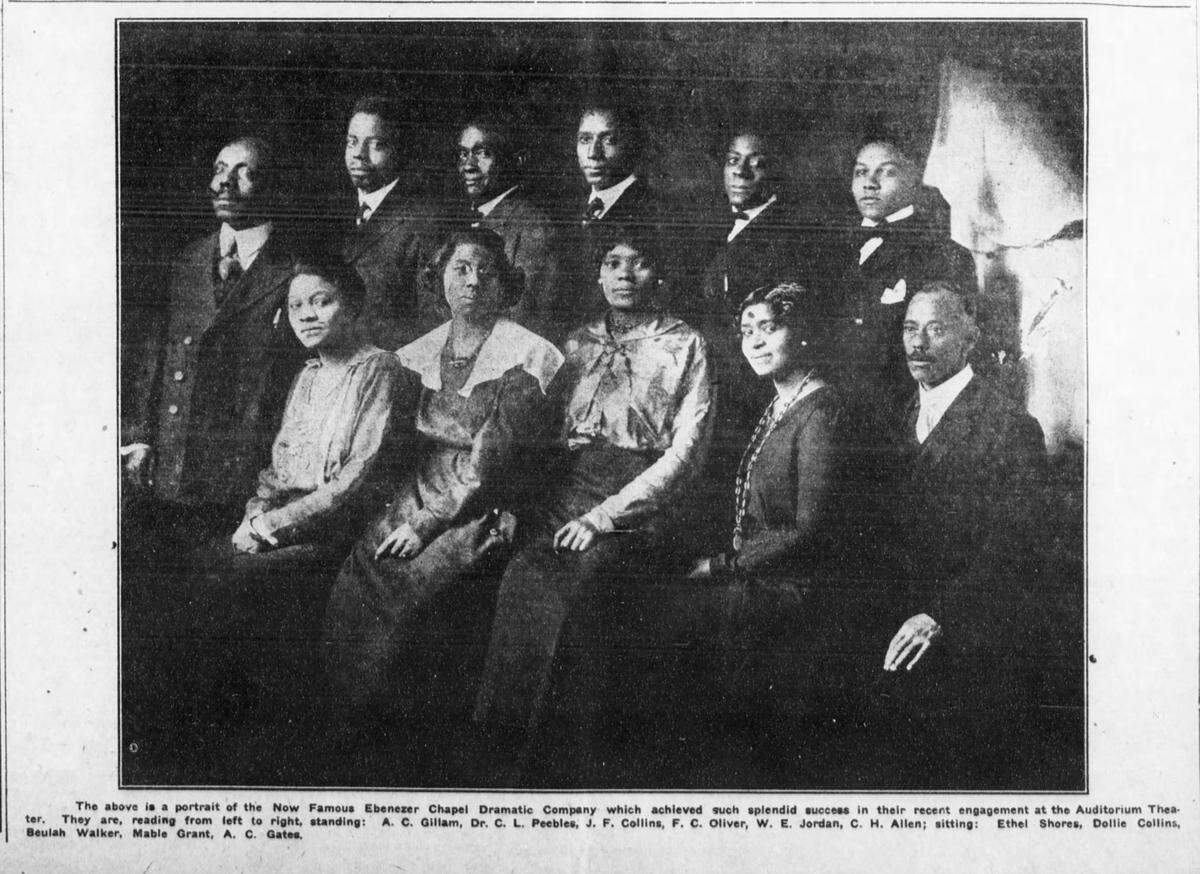
The more likely point of entry for Souders, however, was the storied performer Arthur A. Anderson.
A native of Kansas City, Kansas, he had traveled throughout Europe in the 1880s and ‘90s as an aspiring Shakespearean actor before returning to Wyandotte County where he wrote plays and taught courses in elocution, acting and French.
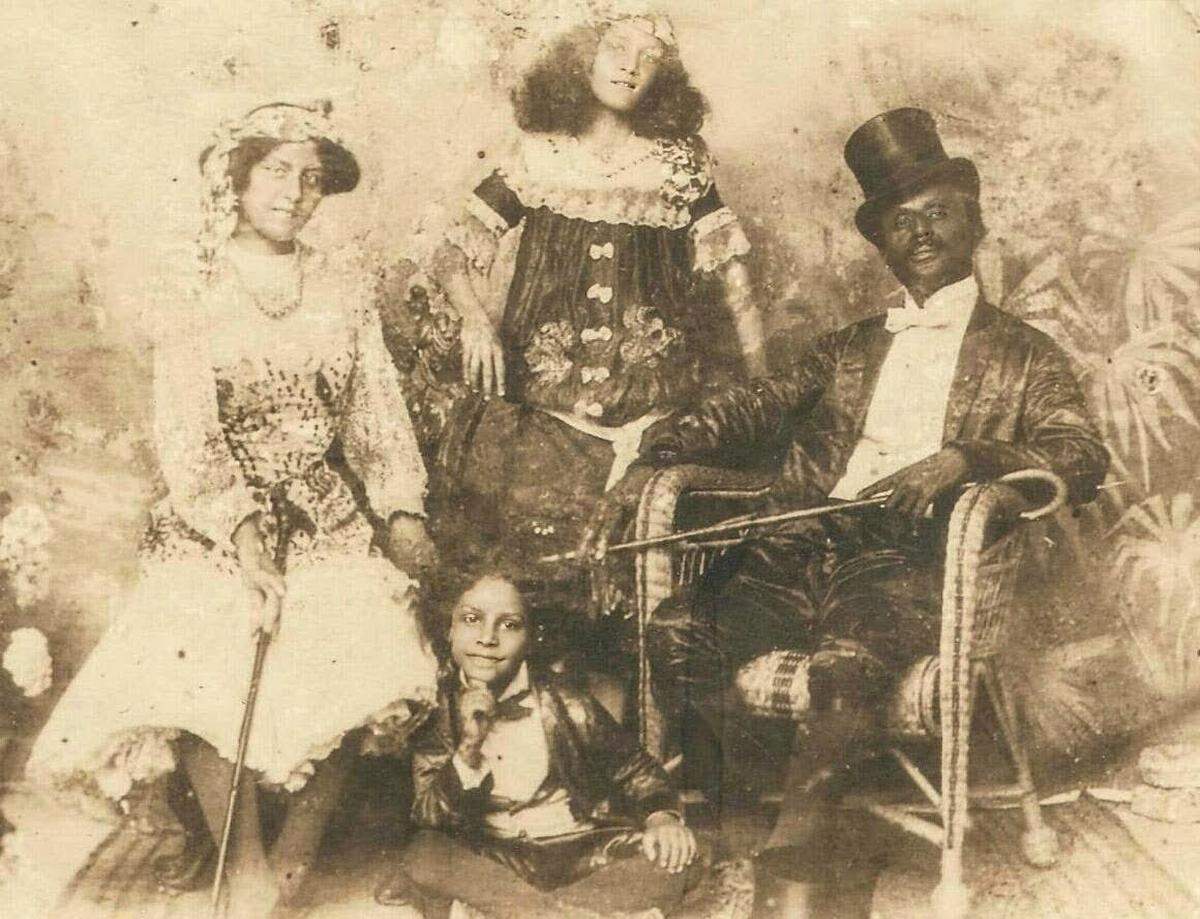
As early as 1915, Anderson began recruiting actors for his Ethiopia Film and Stage Production Company and showing his work at KCK’s Dunbar Theatre. By the time Souders and Jennie moved into the nearby YWCA, Anderson was managing the Dunbar for its owner, a local attorney who, perhaps by coincidence, worked frequently with the woman who employed and lived with Souders’ aunts Margaret and Douvia on Washington Boulevard.
Difficulty getting Black films distributed
However, when Souders came into filmmaking, her early 1922 contract came at a precarious time for the industry.
The failure of two Baltimore banks with extensive ties to Black-owned film companies the previous winter was the first sign of trouble. By the following summer, the pioneering entertainment journalist James Albert Jackson was lamenting the state of the industry in the pages of “Billboard.”
By Jackson’s count, only eight of the 38 Black-owned film companies formed over the previous half decade remained active. While some had produced a film or two, many had run out of money with “400 feet or more of incomplete film.”
According to Jackson, the root of the problem was segregation, which restricted the market to fewer than 600 “colored theatres” nationwide, many of which were too close to one another to make wide distribution possible.
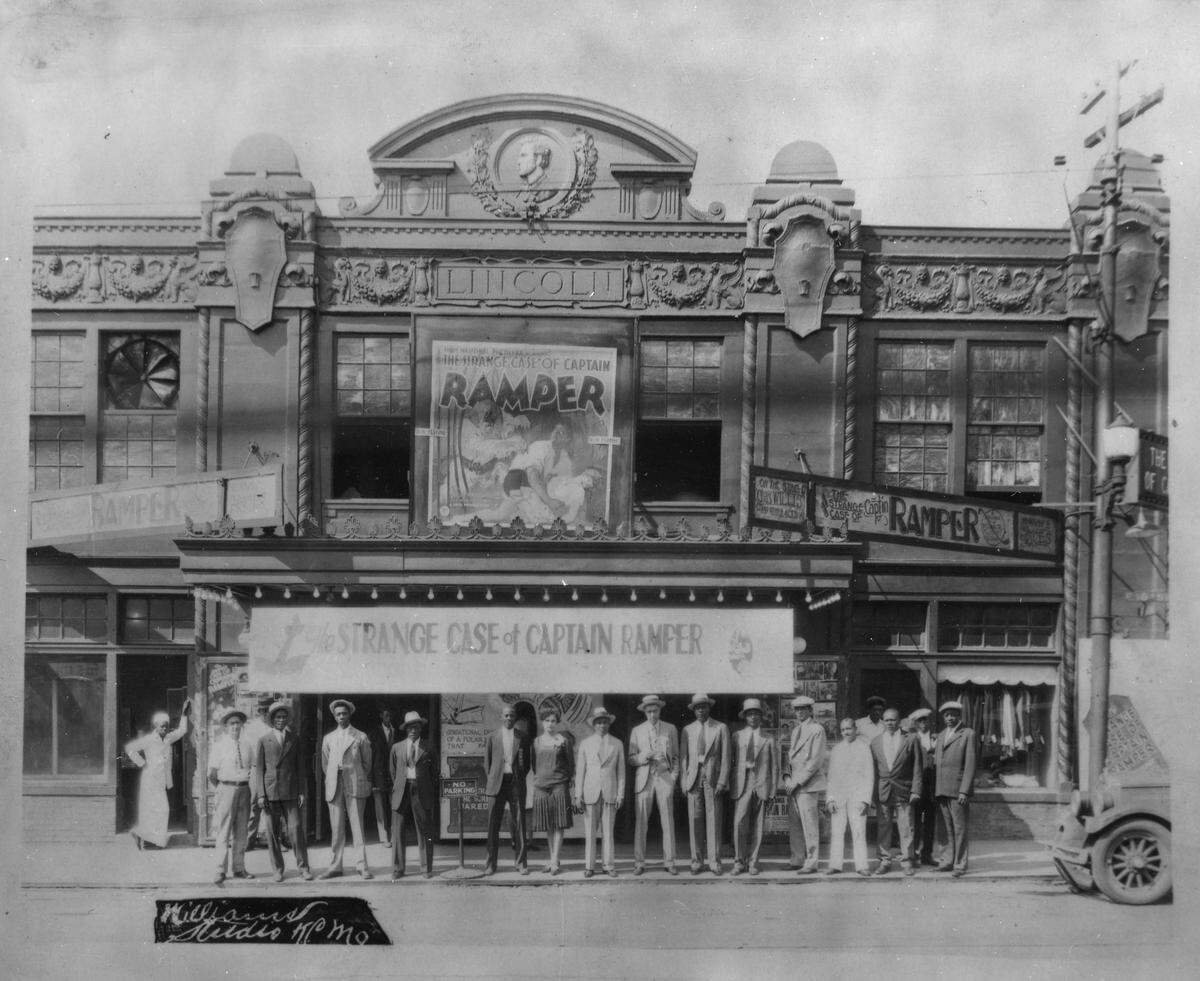
Kansas City’s market was no different. Both “The Lure of a Woman” and “A Man from Prison” ran into delays, and it is unknown if either ever played outside of local theaters. After the great fanfare of the early 1920s, the companies that produced these films were largely defunct by 1923, prompting one reporter for The Kansas City Sun to ask: “What has happened to the various companies producing Negro motion pictures?”
If “A Woman’s Error” ever made it to the screen, no proof exists today. Souders returned to Frankfort at some point in 1922 or 1923 before moving to Los Angeles in 1924, where her aunt Margaret had relocated several years earlier.
Remnants of history could show Tressie Souders & family
Douvia Bryant married and remained in Kansas City until her death. Jennie Bryant worked for several years as a cook at 5500 Ward Parkway, before moving to Detroit.
Souders spent the remainder of her life in California, residing first in Los Angeles’ Sojourner Truth Industrial Home, and later in San Francisco. These years of her life are mostly undocumented, although she seems to have paid frequent visits to her many aunts and uncles and half-siblings who also settled in the Golden State.
Remarkably, Souders lived to the age of 97, passing away in San Francisco in 1995.
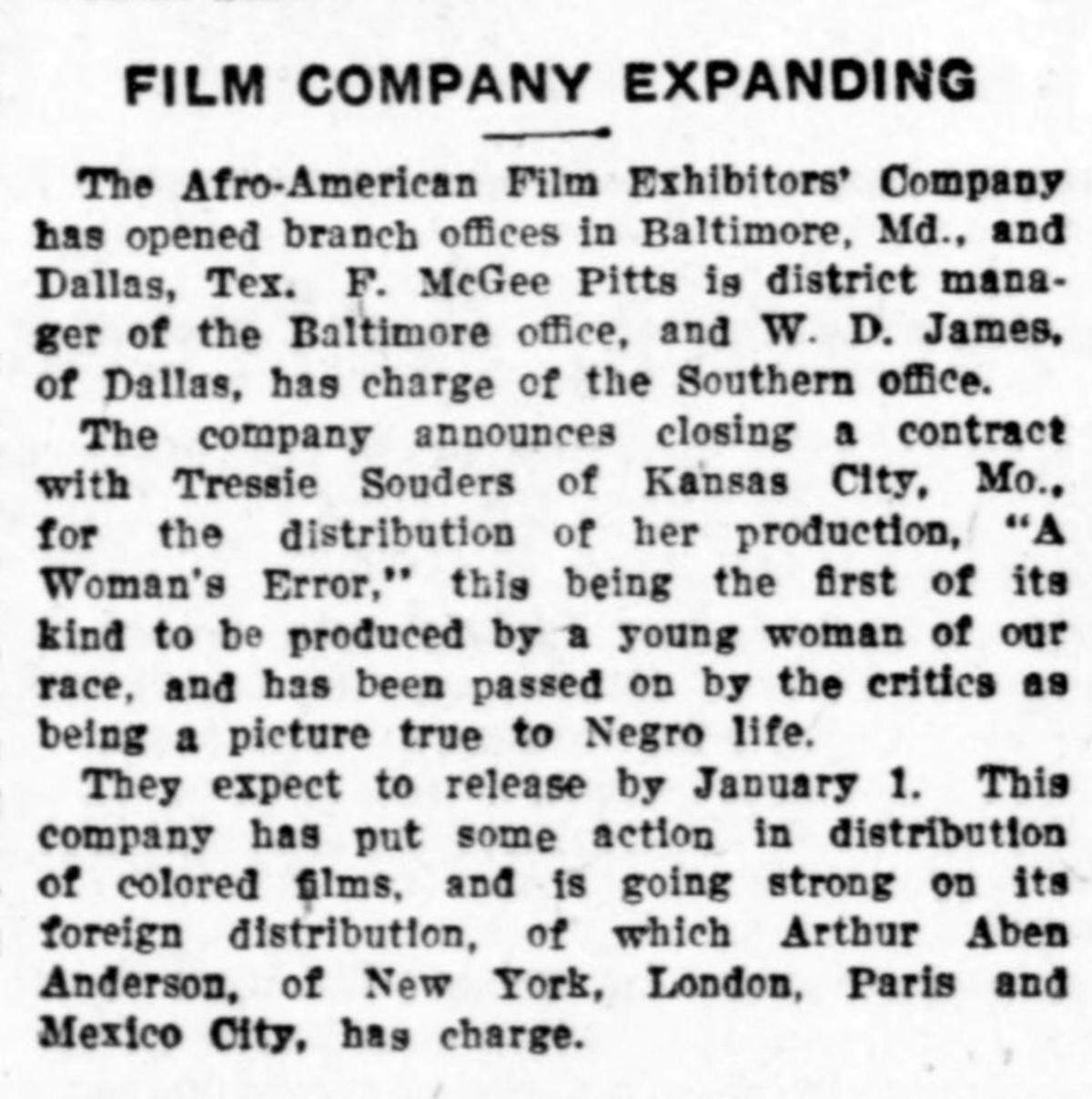
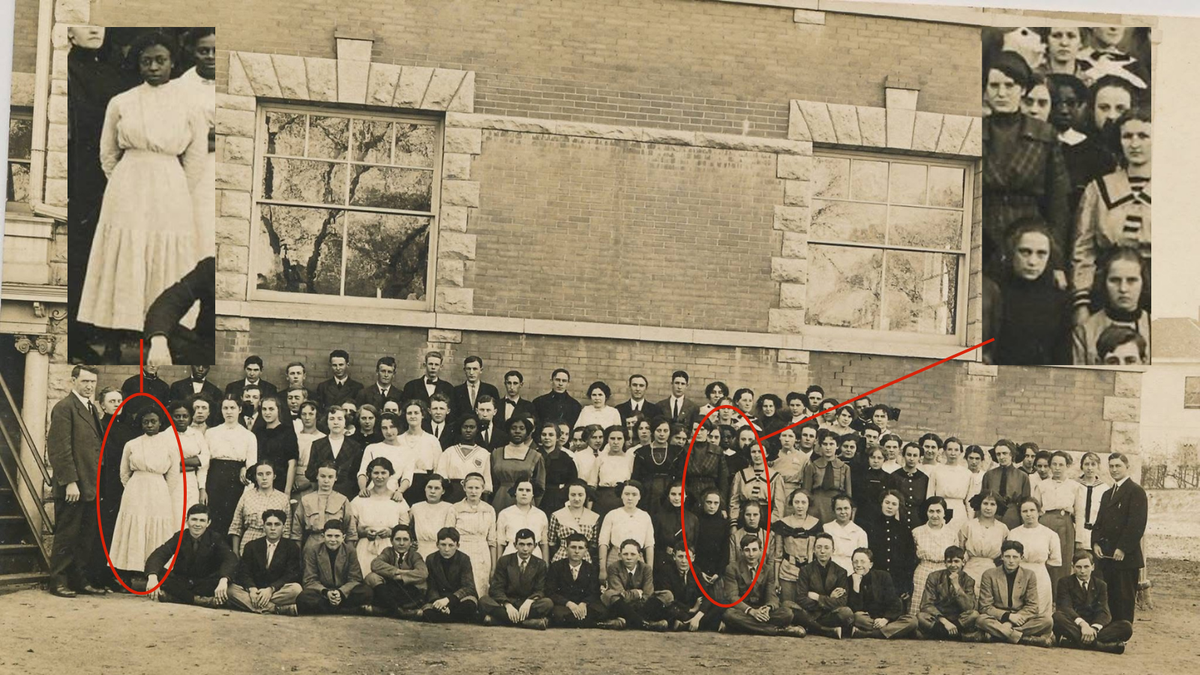
While no known photographs of Souders exist, a recently digitized 1915 image of Frankfort High School may include her. In the photo, four African American students from that year’s graduating class have been identified, leaving two candidates for Souders and her aunt Jennie.
This story was originally published February 10, 2026 at 5:00 AM.