
This company grew from tiny KC shop to the largest music retailer in the world
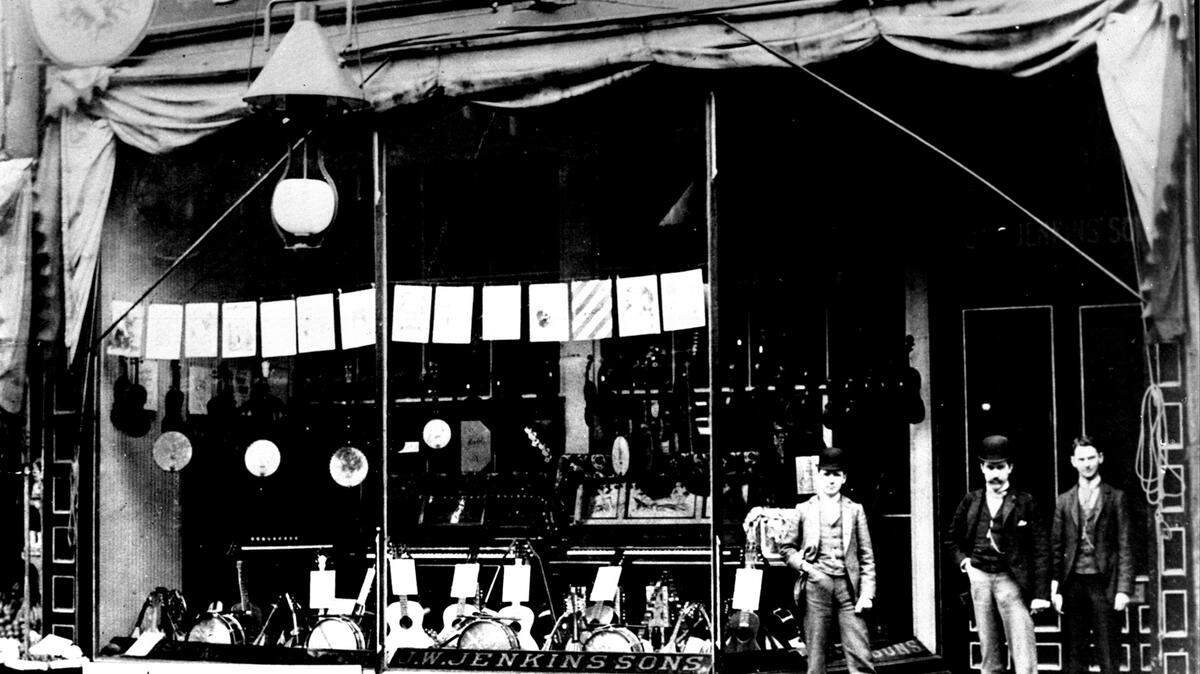
For almost a century, the Jenkins Music Company was a major force in the music retail industry. Starting as a one-room shop in Kansas City, it grew into a regional network of more than a dozen stores. At its peak, Jenkins Music Co. claimed to be the largest music retailer in the world.
Reader Linda Caldwell recently asked What’s Your KCQ? about its history after fondly reminiscing about her own high school practice sessions at the old downtown store. While the company is long gone, Jenkins’ lesser-known past is worth exploring.
In 1877, John Woodward Jenkins moved with his family from Elburg, Illinois, to Leavenworth in search of musical opportunities. He sold instruments on the road but soon longed to establish a permanent music business of his own.
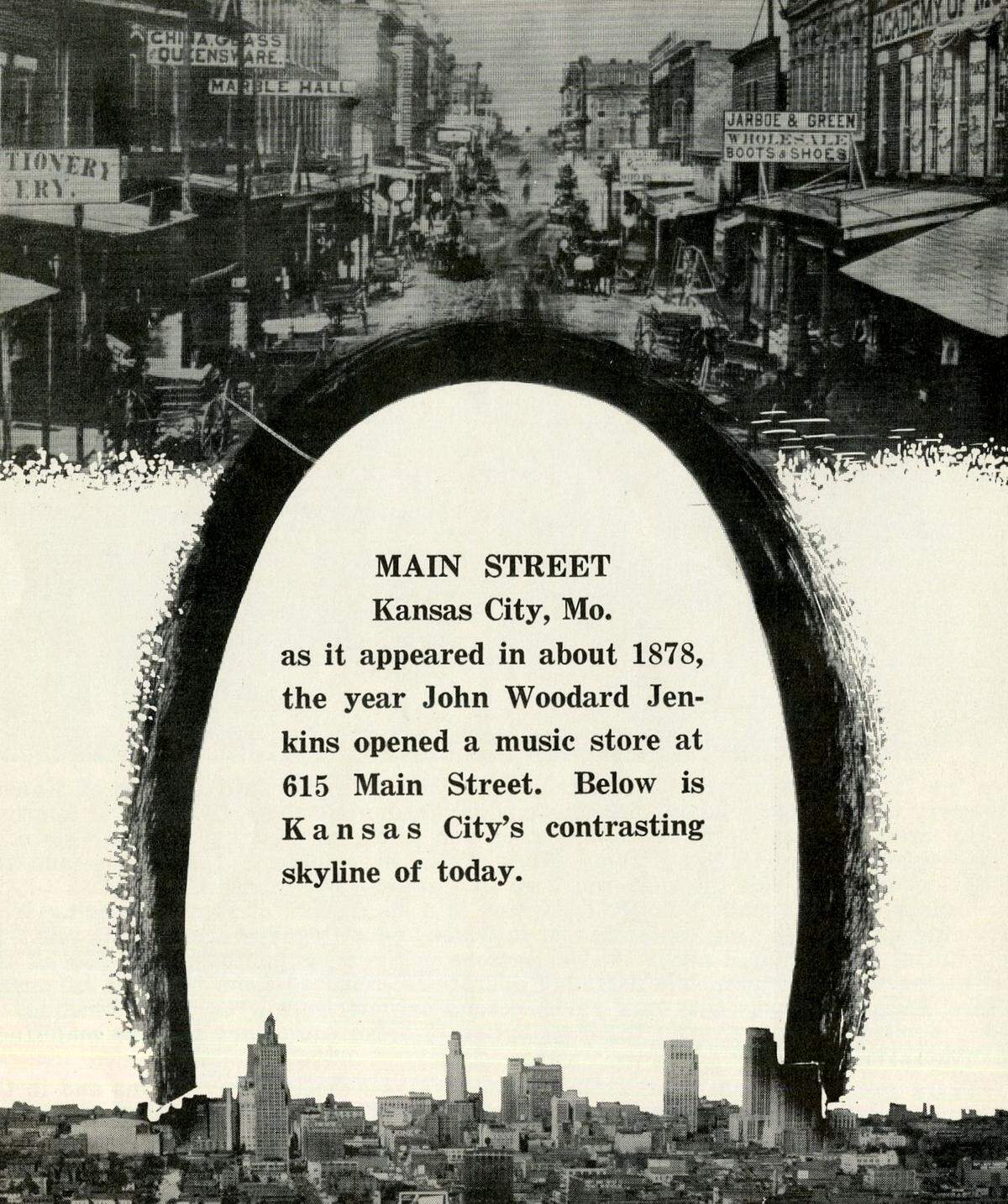
When the Jenkins family arrived, Kansas City was home to just a few thousand people. Main Street, running from the riverfront to Seventh Street, was lined with restaurants, saloons, offices, and shops. Starting any business — let alone a music store — was a risky move in early Kansas City.
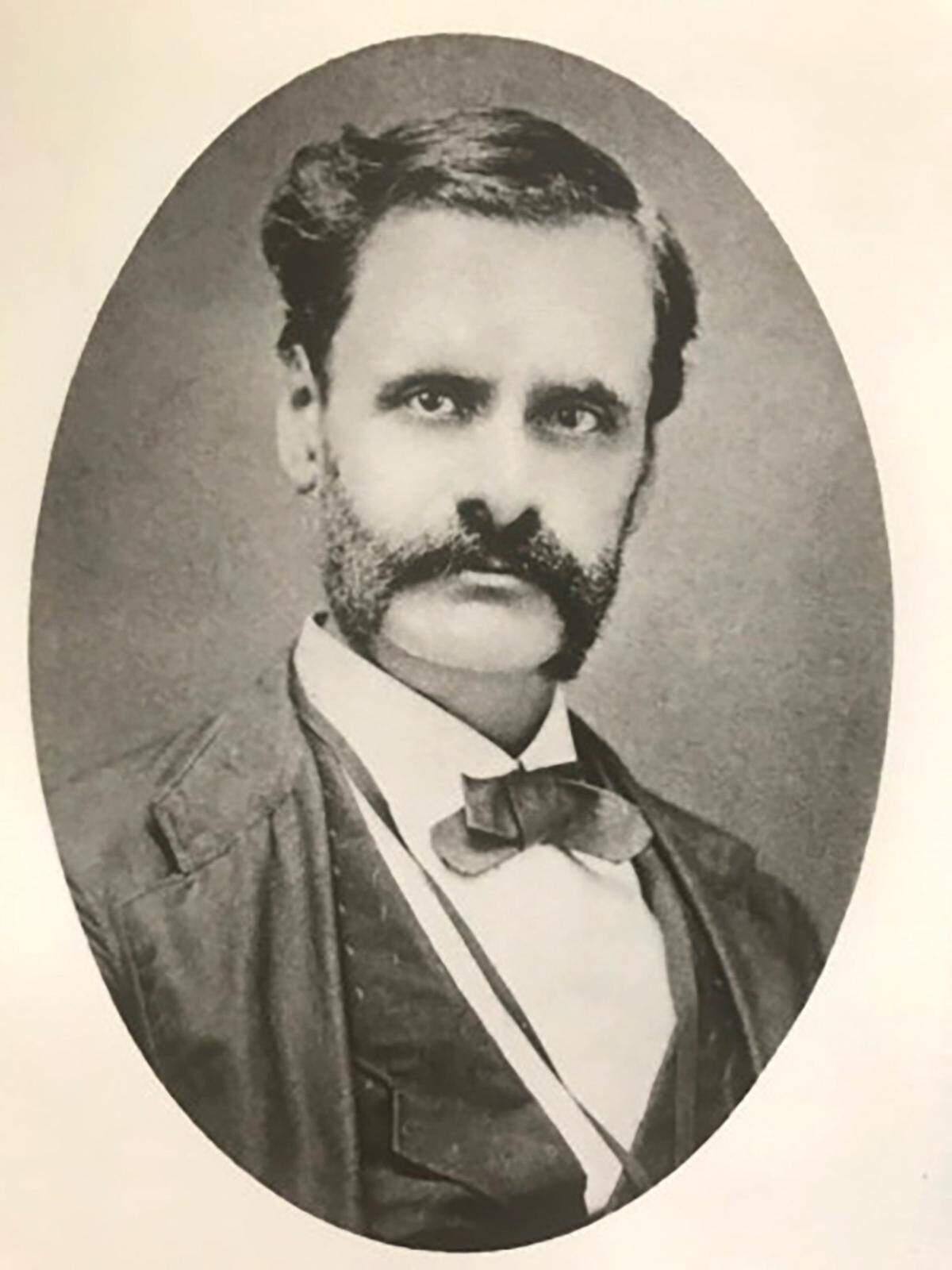
Due to Jenkins’ music expertise, music merchandizer A.C. Moffat hired Jenkins to manage his instrument sales business (under Jenkins’ name).
In 1878, the J.W. Jenkins Music Company, informally called the Jenkins Music House, shared a small space at 615 Main St. with the Trumbell, Reynolds, & Allen sewing machine shop and Dr. Eliza Mitchell’s office.
By 1880, Jenkins had taken over Moffat’s operation entirely, selling the original business’s stock of Hallet & Davis pianos and Estey organs.

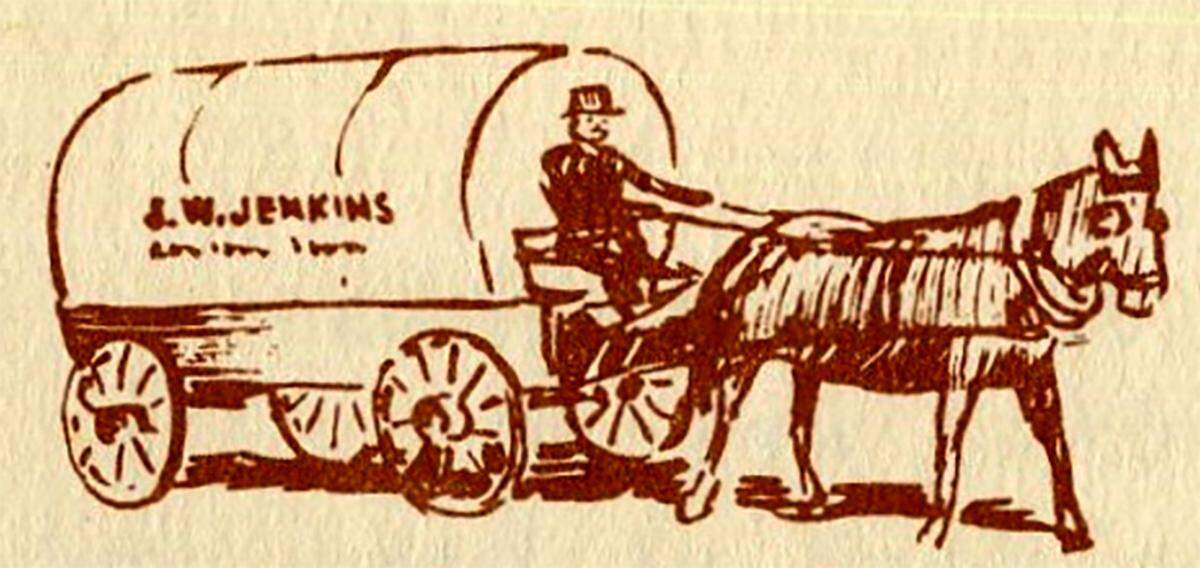
Jenkins was a skilled performer, a knowledgeable salesperson and a music lover. He traveled by wagon to small towns near Kansas City, selling organs and sometimes staying on the road for up to six weeks, until he sold everything. During these trips, he realized that people in smaller communities craved music.
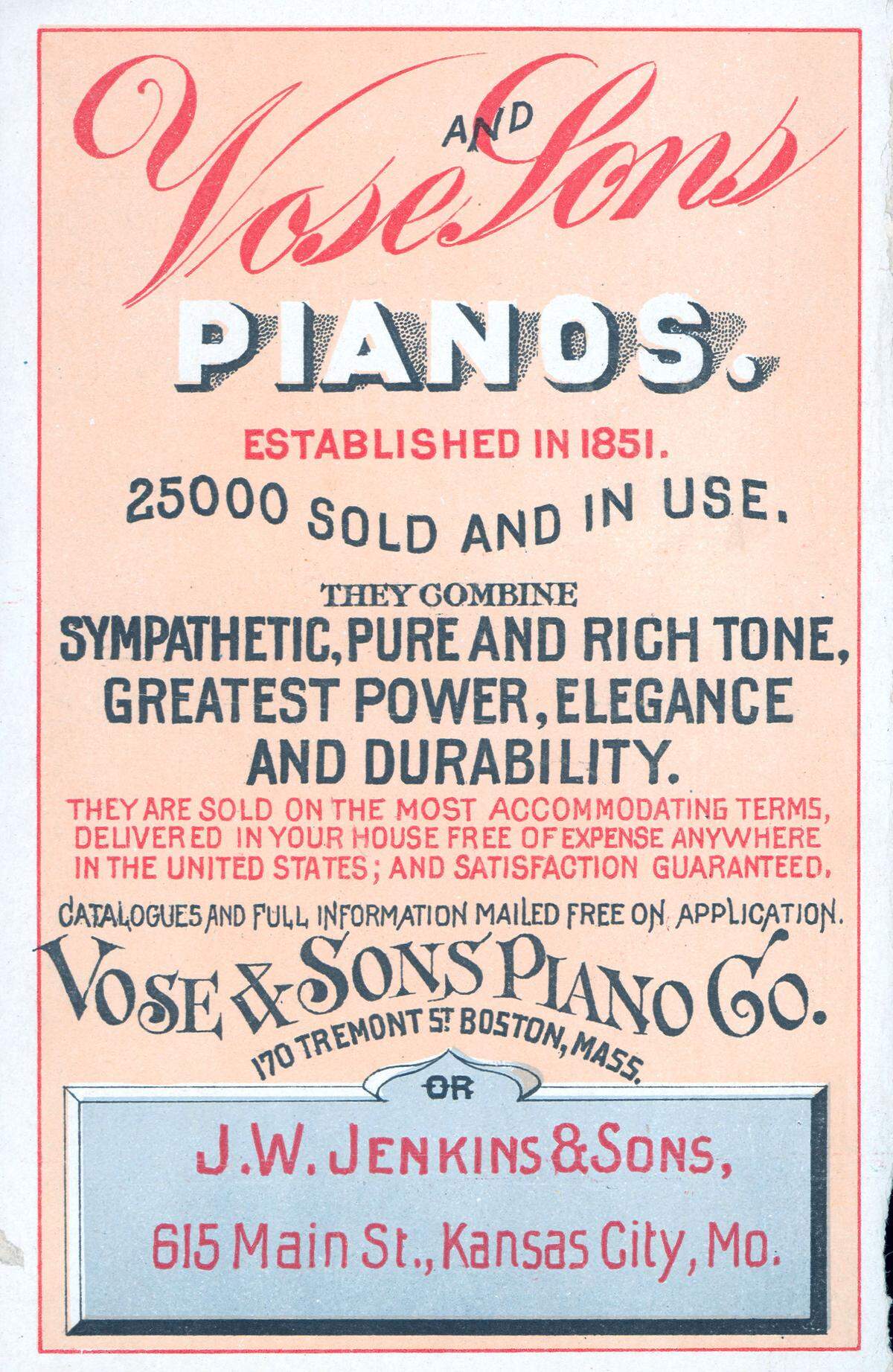
He expanded his merchandise to include Weber pianos, Fort Wayne organs, guitars, harps, mandolins, and sheet music. The variety of music merchandise the business offered attracted a large clientele.
As Jenkins grew into one of the top music retailers in town, nearly every Kansas City musician frequented the store. Traveling musicians appreciated the friendly service and high-quality instruments, and they shared their experiences with others. Renowned for honesty, expertise, and quality products, the business flourished.
In the early 1880s, mandolins were all the rage, and a wave of mandolin clubs emerged. The small company began manufacturing guitars and mandolins under their trademarked Harwood brand, later adding Washington, Clifford, and Royal names. By the 1920s, it was among the largest mandolin and guitar makers selling nationally and internationally.
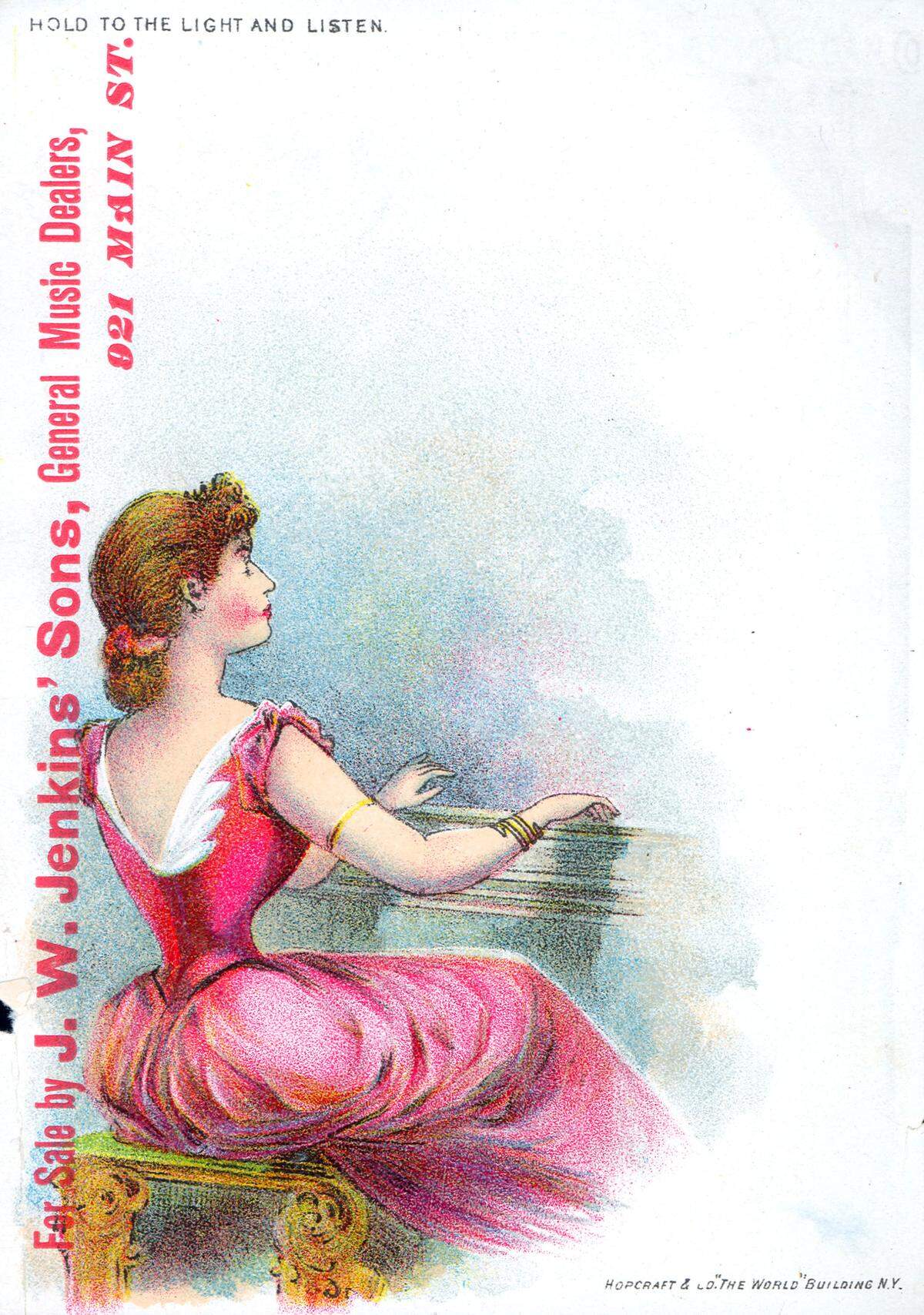
Almost immediately, Jenkins involved his family in the business. His daughter Florence worked as a salesperson and taught piano lessons. She later moved to California, where she gained modest notoriety as a pianist. His teenage son, John Wesley, worked as a clerk who tuned stringed instruments.
With the Jenkins children’s involvement, the business name changed to J.W. Jenkins & Son in the mid-1880s.
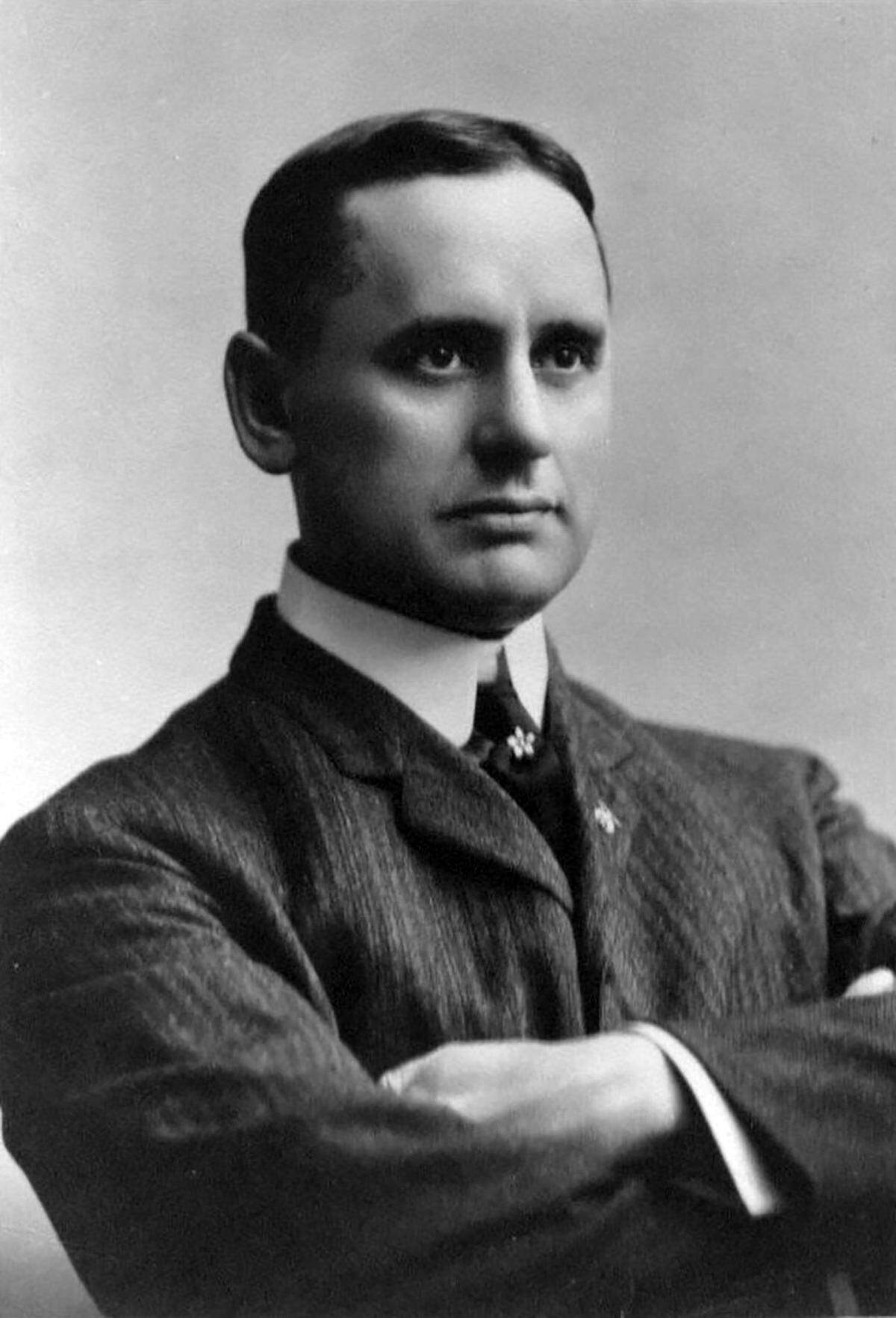
After John Woodward Jenkins’ death in 1890, John Wesley, took over as president, with his brothers, Frederick and Clifford, as vice president and secretary-treasurer. The business became J.W. Jenkins’ Sons Music Co. and did well under John Wesley’s leadership.
Jenkins advertised in newspapers and trade magazines, and sponsored programs at major venues and events, such as Kansas City’s Exposition building and the St. Louis World’s Fair in 1904. Additionally, the company also expanded by opening new stores across the Midwest, utilizing railroads to connect Kansas City with cities like Topeka, St. Louis, Omaha, Oklahoma City and Joplin.
In 1891, the store relocated from 615 Main St. to 921-23 Main St., where it later manufactured instruments in-house on the top floor.
More downtown locations followed: in 1898, a second factory opened at 1417-19 Walnut St.; in 1901, the 921-23 Main St. store moved to 1013-15 Walnut St.; in the mid-1900s, a third factory opened at 1008-14 Grand Ave.; in 1912, its new headquarters opened at 1217 Walnut St. after outgrowing their commercial space at 1013-15 Walnut St.; finally, around 1920, the company opened a warehouse at 2100 Wyandotte St.
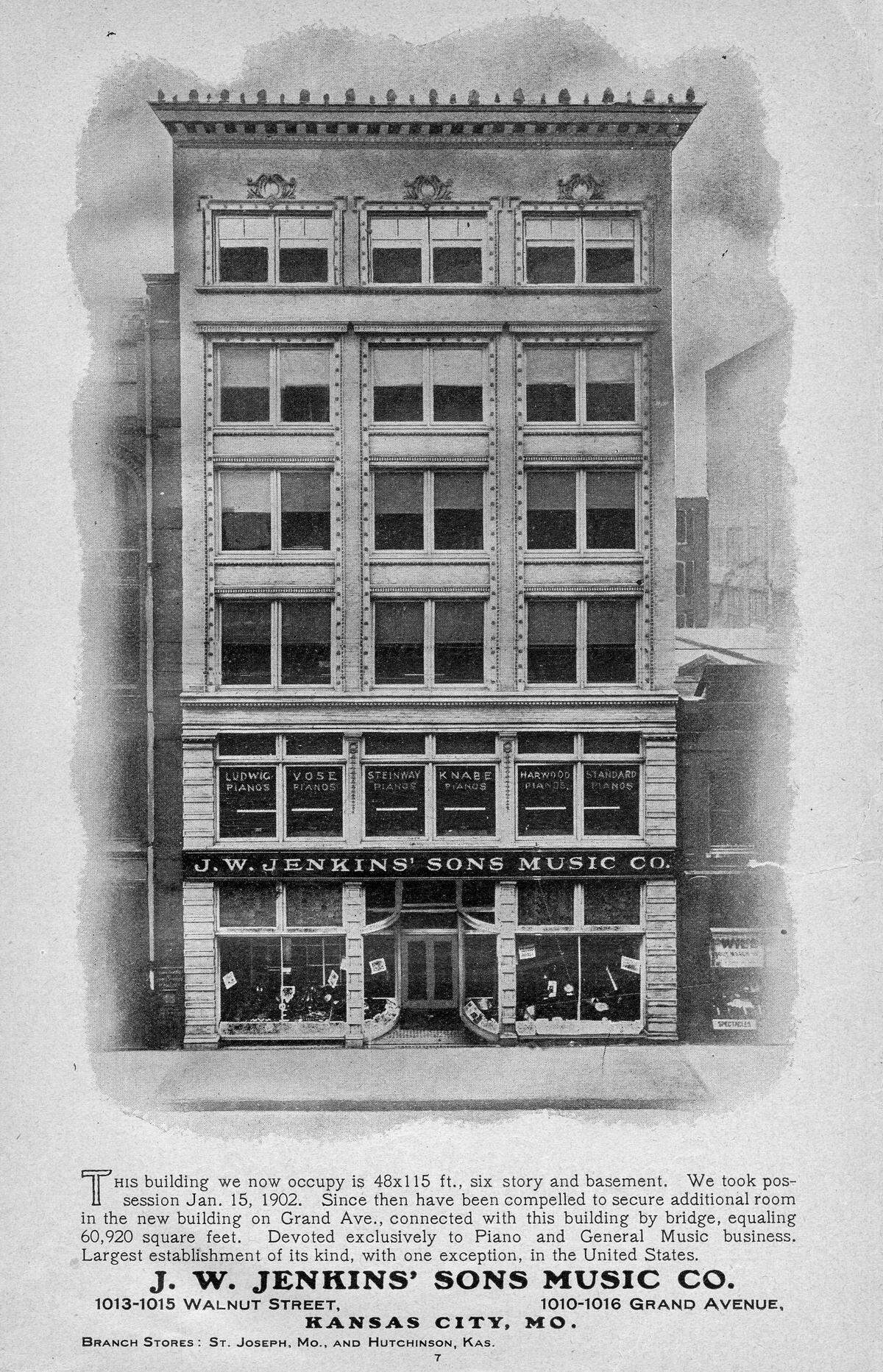
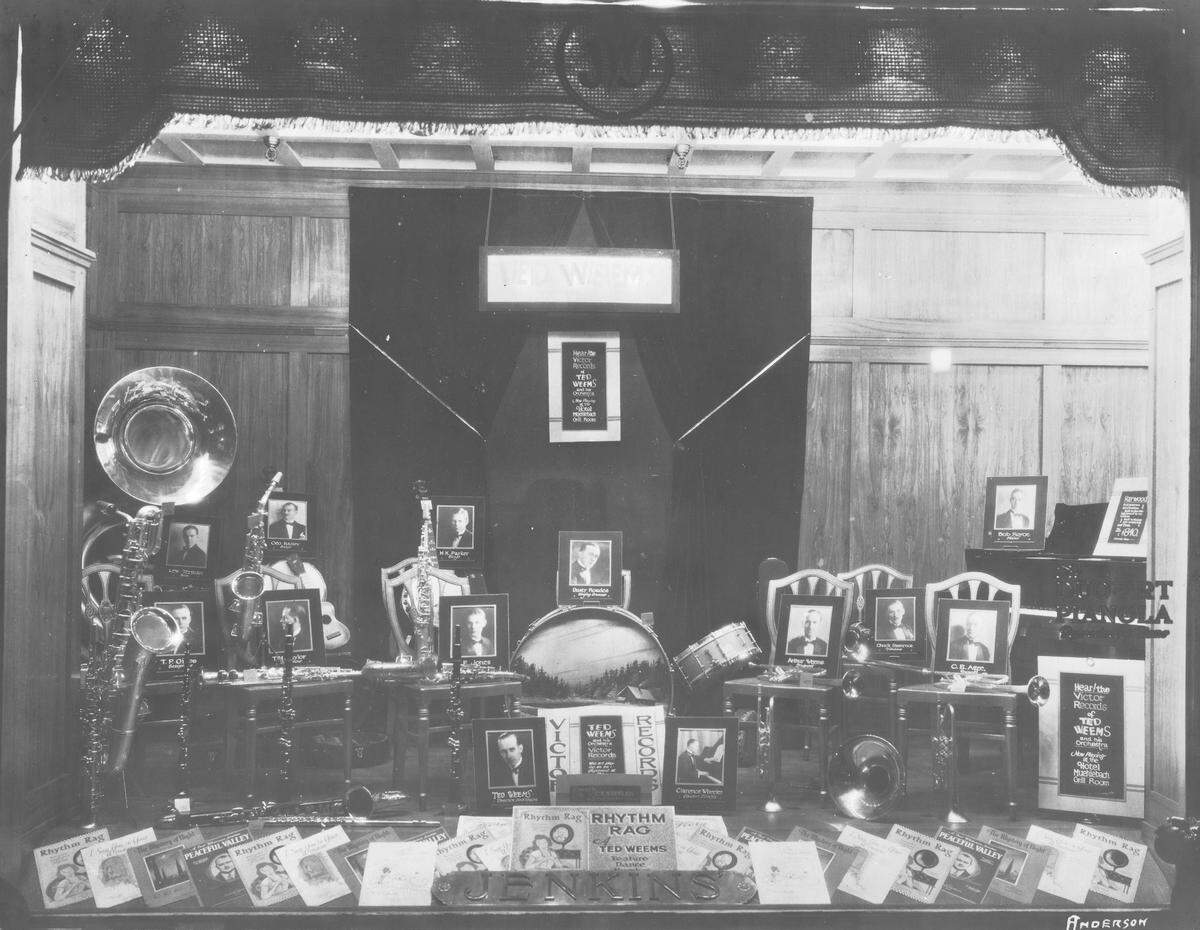
At the turn of the century, Jenkins started publishing sheet music, creating thousands of titles for mandolin, guitar, piano, orchestra and community bands. They offered a limited selection of classical music, they excelled in popular music styles such as ragtime, blues, two-step, and jazz. The sheet music publishing arm reached its peak between 1910 and 1930, but it slowed down by the 1940s.
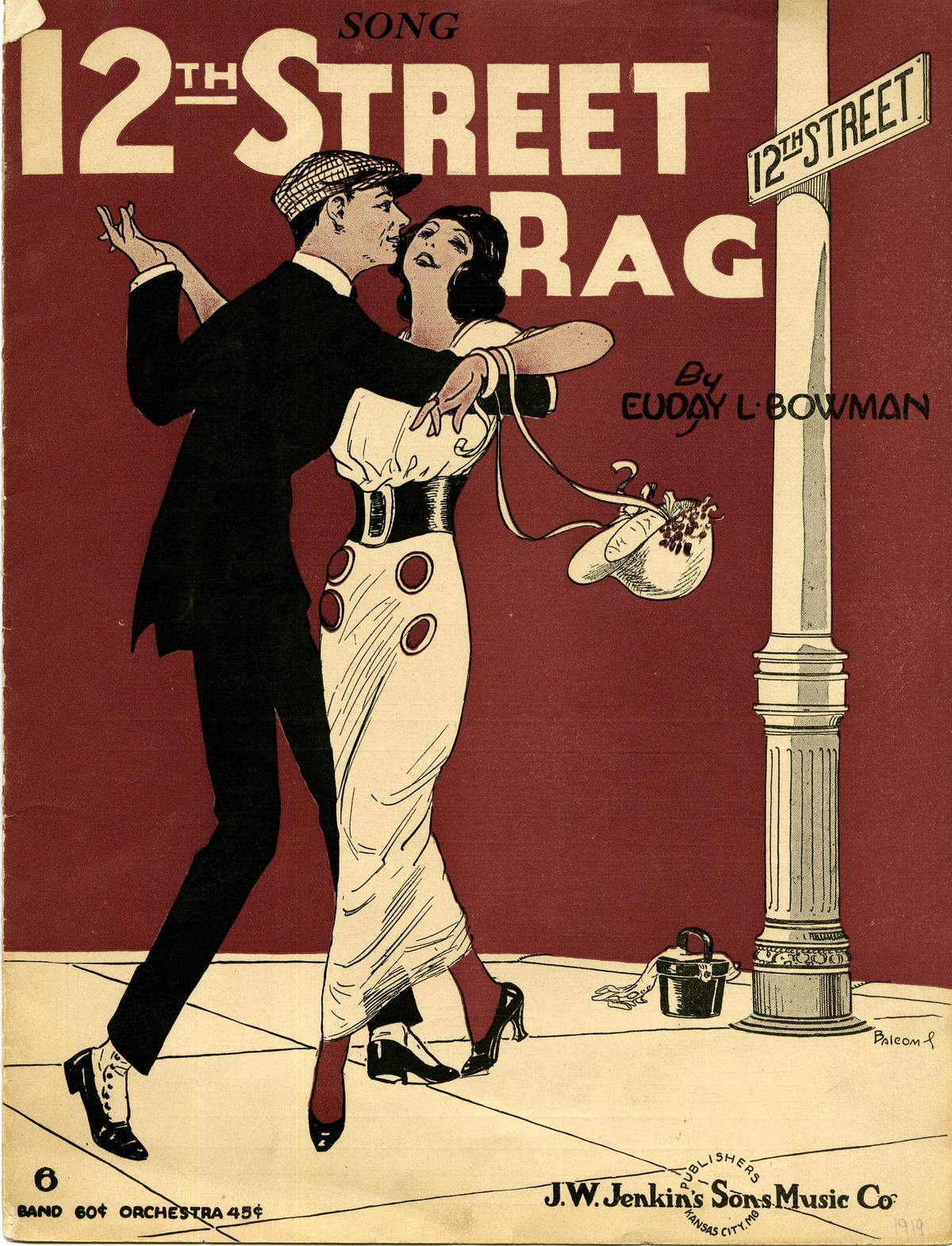
Their most famous publication was “12th Street Rag” by Euday Bowman in 1915, with lyrics added in 1919. The song sold over 3 million copies and remains in print today.
During the Great Depression, the business changed its name for the last time, becoming Jenkins Music Company in 1930. The headquarters at 1217 Walnut Street expanded the following year to include retail space, showrooms, practice studios, and offices. Less than a year later, John Wesley Jenkins died in a car accident, leaving $20,000 to be divided among 120 longtime employees.
Despite the loss, the company remained under Jenkins family control.
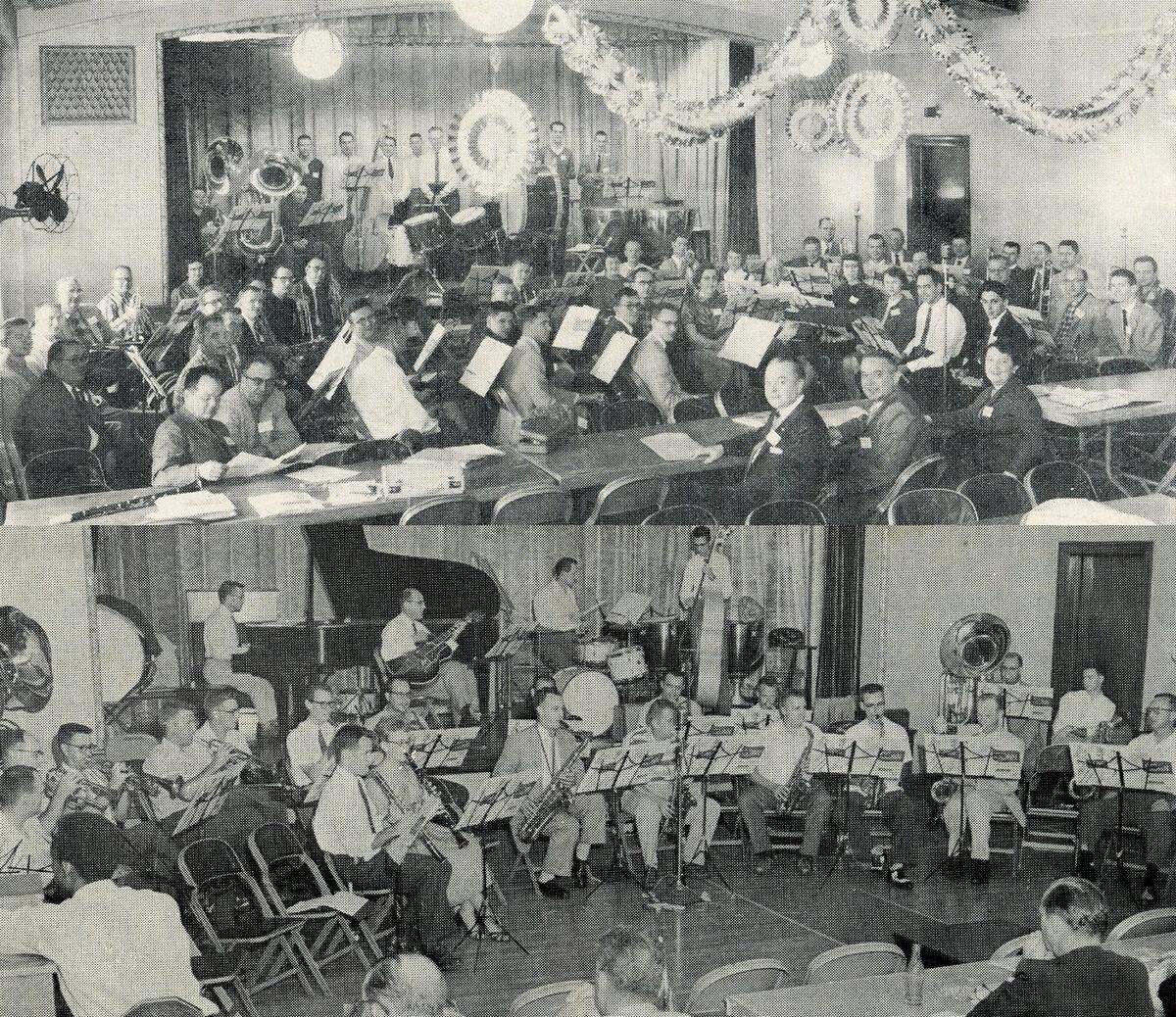
On the top floor of the eight-story building was a recital hall called Steinhall Auditorium that had a seating capacity of nearly 250. From 1947 to 1954, Jenkins hosted summer music conferences in Steinhall, which brought together top composers and teachers to discuss music composition, materials, and new music trends. The teachers themselves performed and directed the musical numbers.
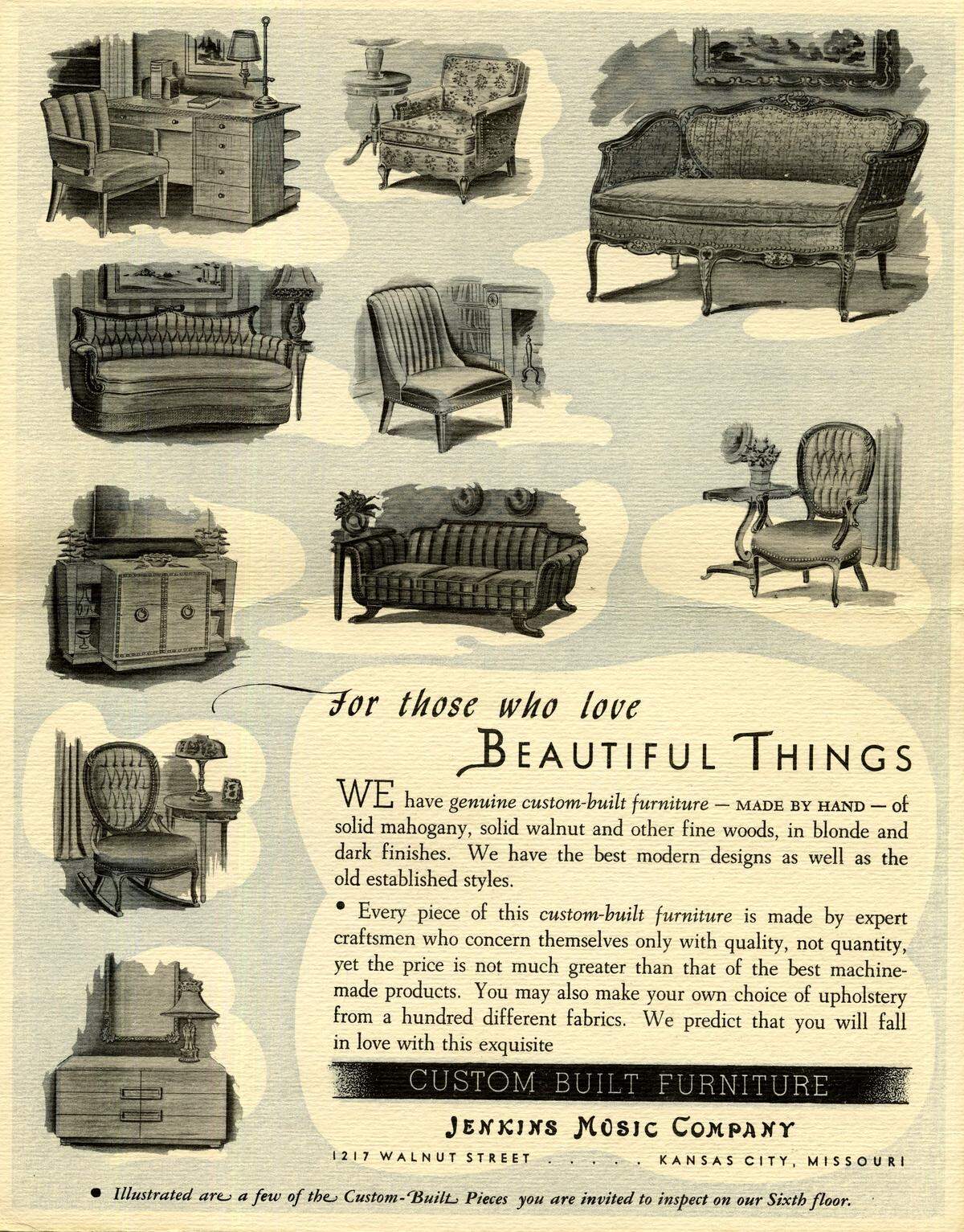
During World War II, Jenkins began selling items like monuments, tombstones, furniture, home appliances, toys and gifts, in addition to their usual music products. These additions stayed in their stores for many years after the war.
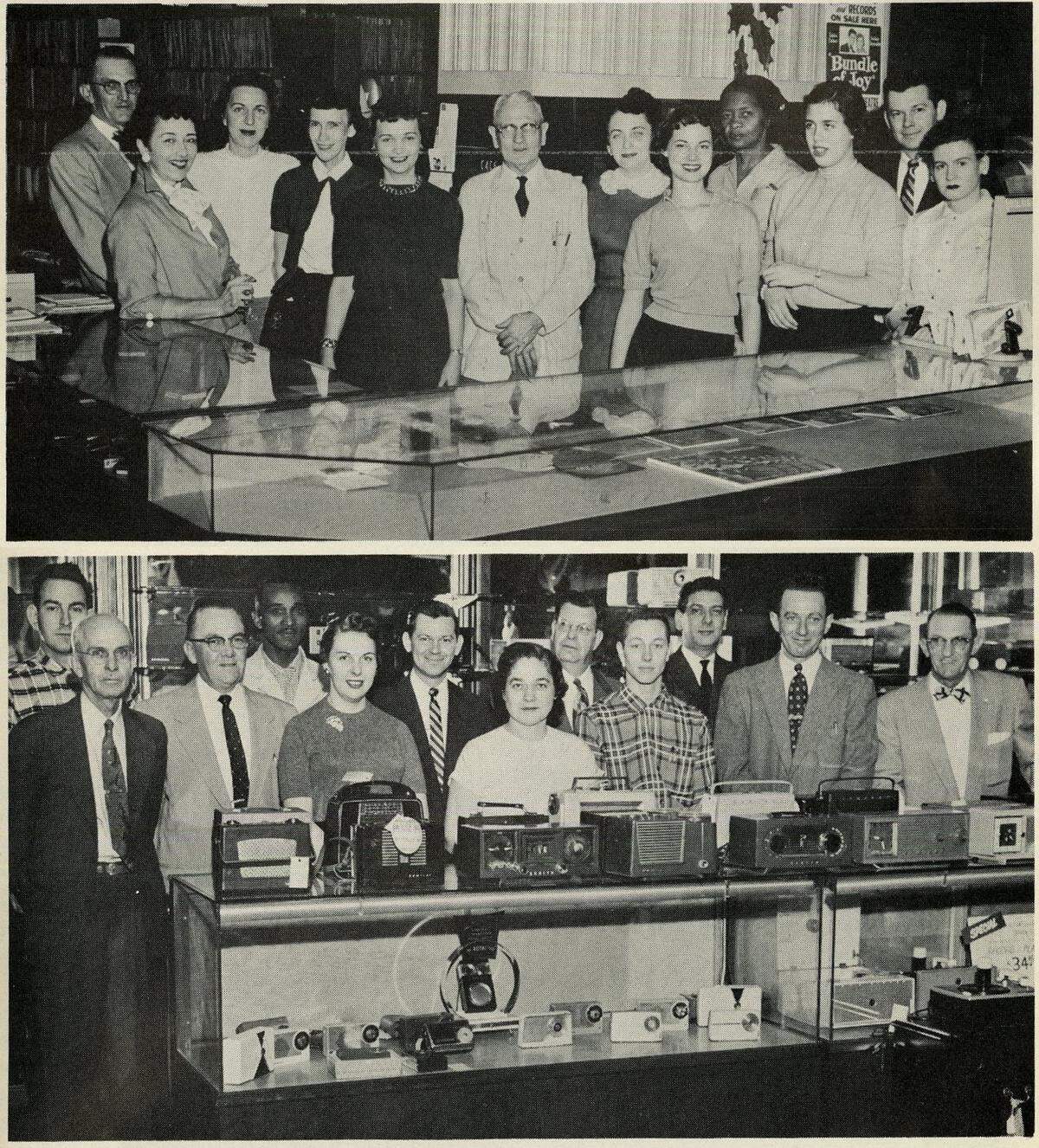
By the 1950s, Jenkins had 16 stores in Missouri, Kansas, Oklahoma and Arkansas, and employed around 700 people. A decade later, it was Kansas City’s oldest retail business still run by the founding family.
But the music revolution of the 1960s changed the industry. Jenkins Music faced new competition and a changing retail landscape. In 1971, the company filed for bankruptcy. It was later sold and operated under different names. The last Jenkins store closed in Oklahoma in 2014, 136 years after the first shop opened.
The well-known store at 1217 Walnut St. became a parking garage in the 1980s, but the original Jenkins façade was preserved.

Even though the music industry has changed, Jenkins Music Company’s legacy as a music leader remains an important part of Kansas City’s cultural heritage.