
A memorial for a Pendergast? The legacy of ‘Big Jim’ in Kansas City
AI-generated summary reviewed by our newsroom.
- James Pendergast rose from laborer to alderman in Kansas City politics.
- A 1913 statue memorialized Pendergast's civic work and lasting local influence.
- Despite decades of vandalism, the statue was restored and relocated in 1990.
The Pendergast name carries different meanings in Kansas City.
For some residents, it recalls the freewheeling “Paris of the Plains” era, when Boss Tom’s machine kept liquor flowing and nightclubs thriving, giving rise to the city’s distinct style of jazz.
For others who value open governance and respect for law and order, it remains a symbol of corruption and political patronage.
Today, most Kansas Citians seem drawn to the city’s more colorful past. While that image fits well with throwbacks to its seedier side, it hardly seems like something the city would officially memorialize in a public place.
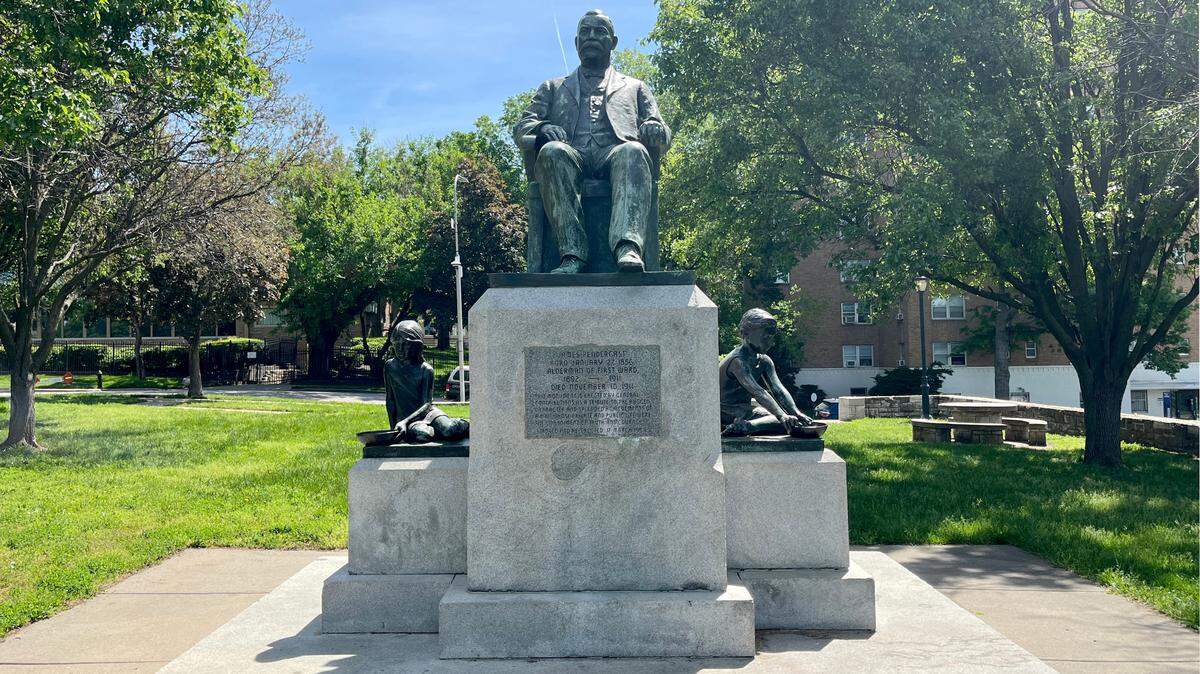
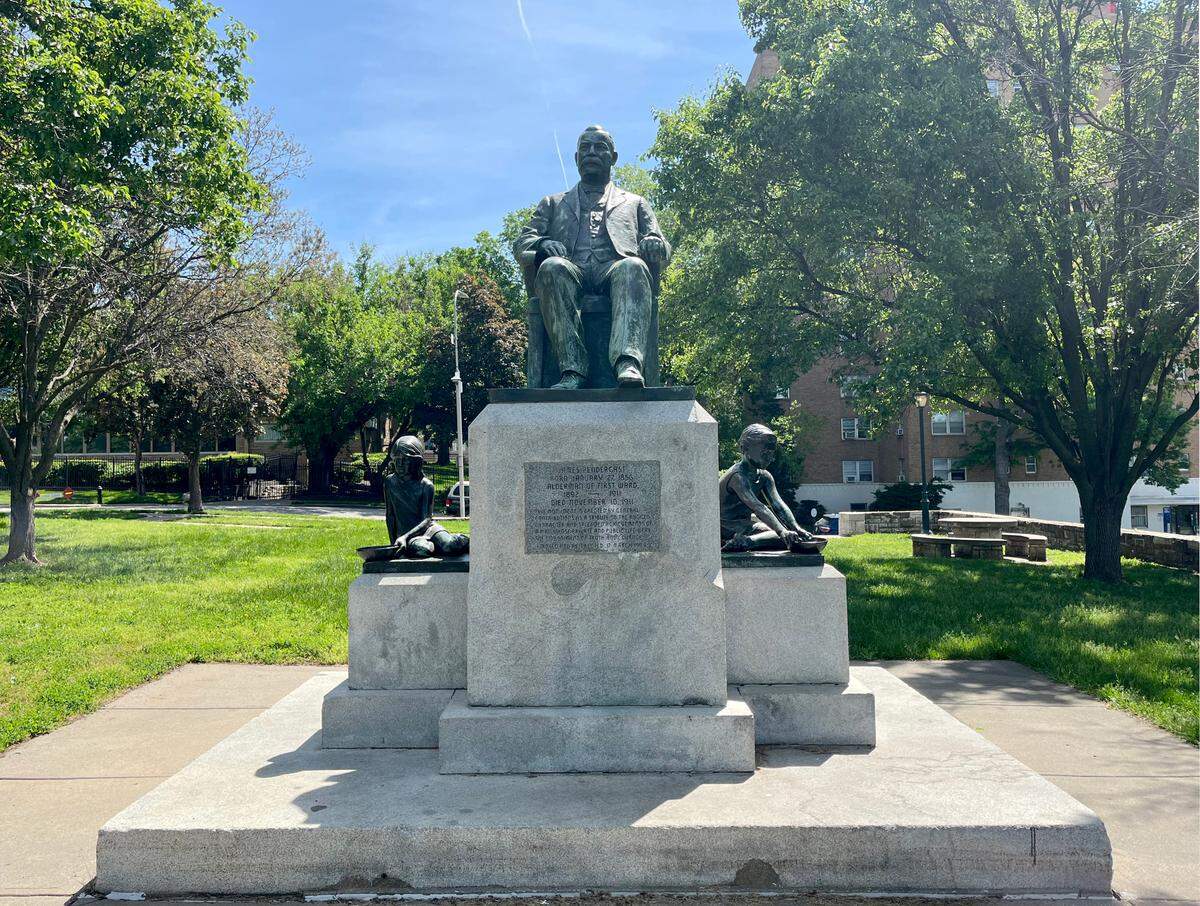
That’s why a KCQ reader found it odd to see the Pendergast name on a statue in West Terrace Park — and was even more surprised to learn it honored James Pendergast, not Tom as they had anticipated. The plaques on the monument offered only vague details, describing him as the “embodiment of truth” — also unanticipated — leaving the reader wondering who James Pendergast was and why the city chose to memorialize him.
The history of the Pendergast family
The Pendergast name didn’t always carry the same weight in Kansas City. Reporting on the apprehension of an accused murderer in its June 21, 1883, edition, The Kansas City Journal noted that the suspect had been found in a West Bottoms hotel kept by “a man named Pendergast.” The local press — and the city at large — would soon learn exactly who that man was.
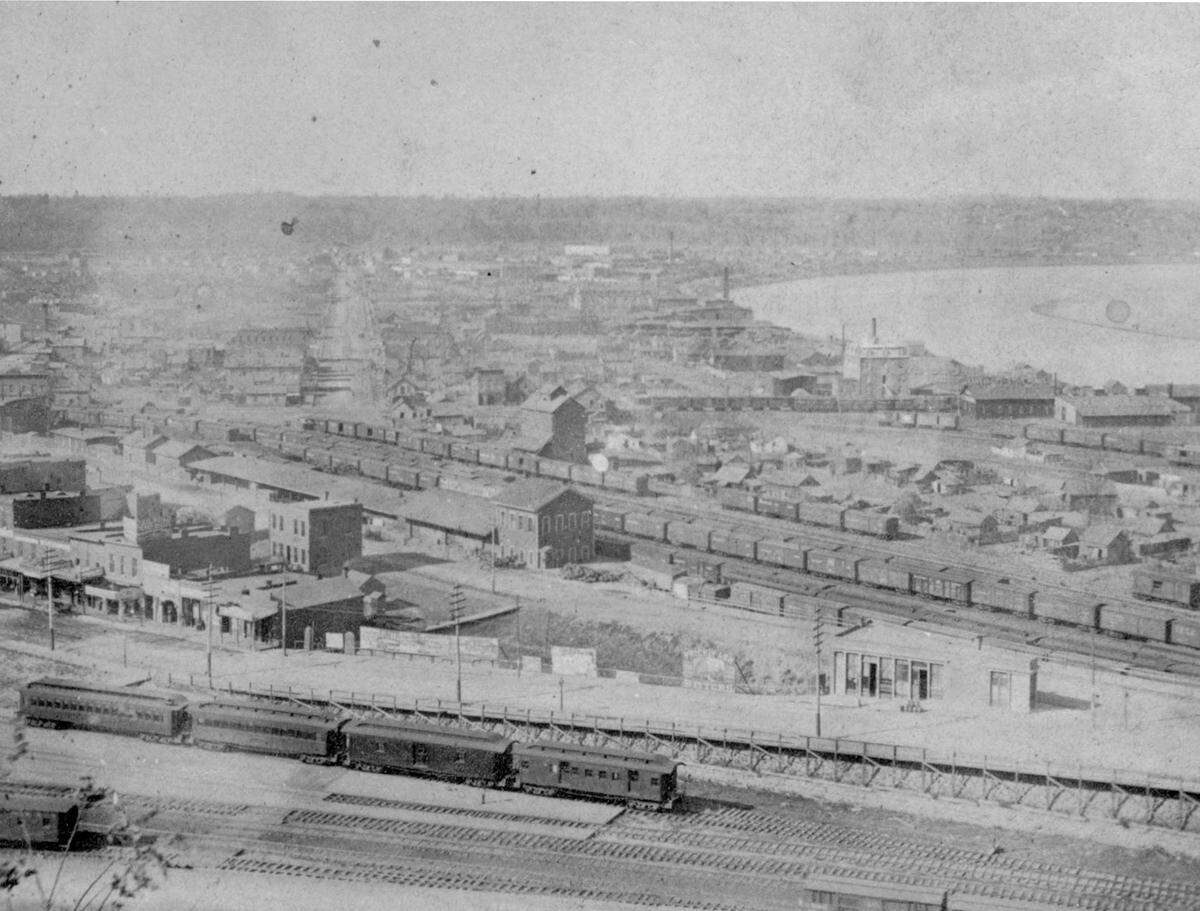
Born in Ohio in 1856 to recent Irish immigrants, James Pendergast’s family later settled in St. Joseph. After the completion of the Hannibal Bridge in 1869, Kansas City’s booming West Bottoms offered plenty of work in packing houses and iron foundries. Pendergast answered the call, arriving in 1876.
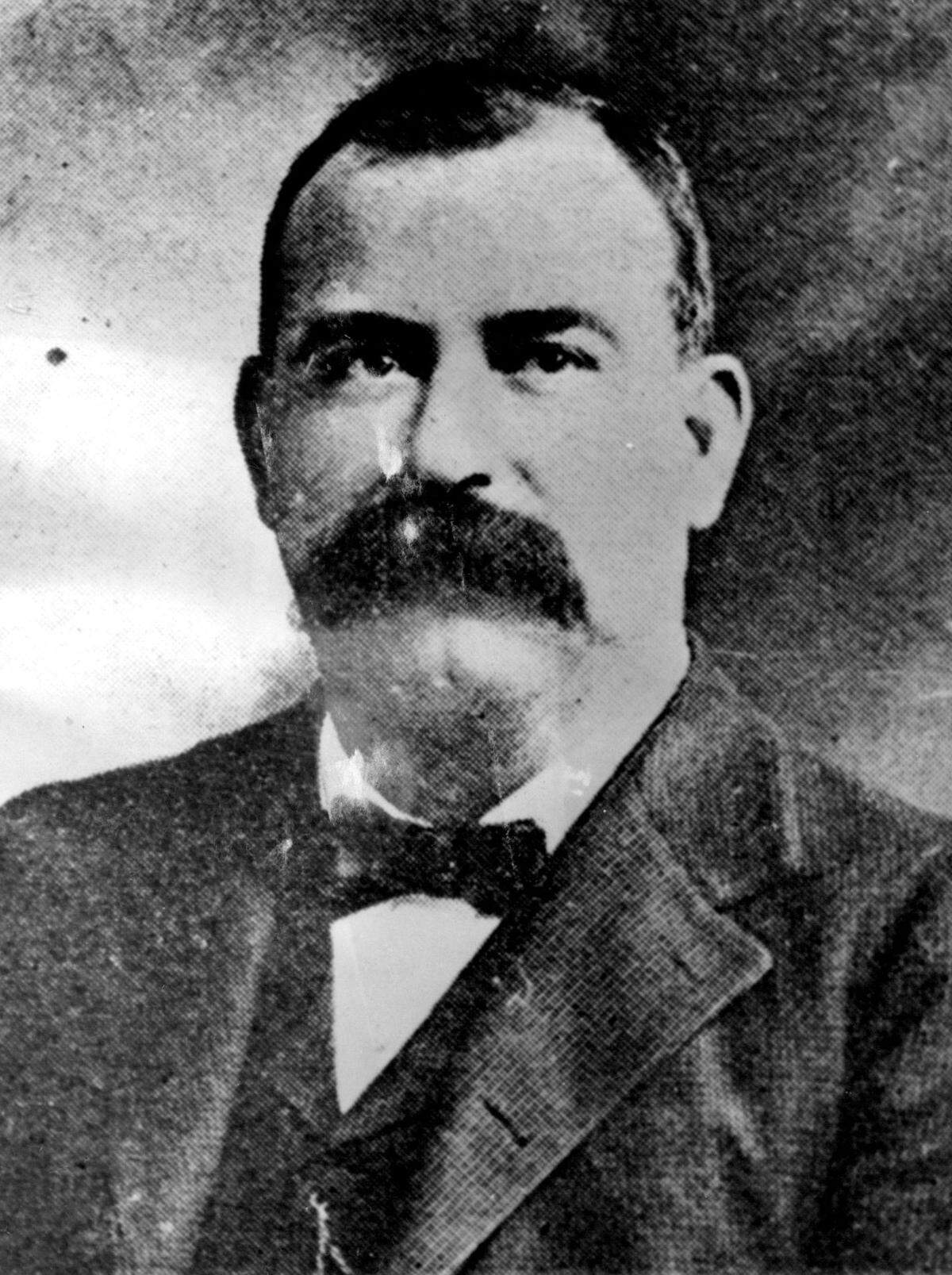
“Big Jim,” as he came to be known, quickly built a reputation as a hard-working and trustworthy laborer. Years later, Fire Department Chief George Hale described him as a “fine-looking, husky lad, steady as a church and careful of money.”
Local lore claims that Pendergast made a small fortune by betting on a horse named Climax. True or not, his rapid rise was apparent. Around 1880, he went from working as a “helper” at the D.M. Jarboe & Company foundry to serving as proprietor of the American House hotel, which he later renamed the Pendergast House.
He also entered the saloon business, and opened The Climax — said to be named after the horse that launched his rise — on the same block as his hotel.
Pendergast thrived in business, expanding his real estate holdings and opening new establishments, including a saloon at Fifth and Main streets. Location was key: His West Bottoms ventures sat near the bustling Union Depot railroad station, while his new saloon stood kitty-corner from the city’s second City Hall.
From that strategic vantage point, Pendergast set his sights on a new venture — politics.
James Pendergast’s political rise
In 1882, he was elected to represent the West Bottoms in the House of Aldermen — the predecessor to today’s City Council — a seat he held for 17 years. He became known for his skill at navigating municipal affairs and turning out supporters at the polls, earning him the title of “Boss.”
Pendergast didn’t boast of his boss status but didn’t shy away from the label. Nor did he apologize for his influence, explaining, “All there is to it is having friends, doing things for people, and then later on they’ll do things for you.”
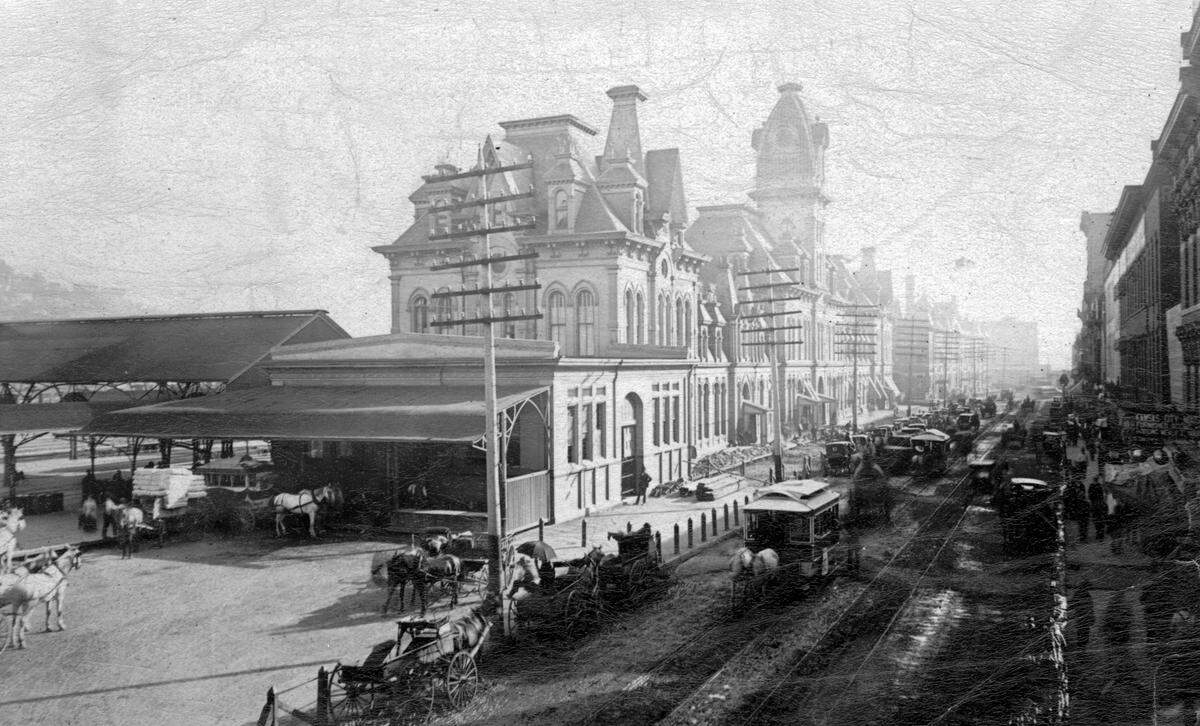
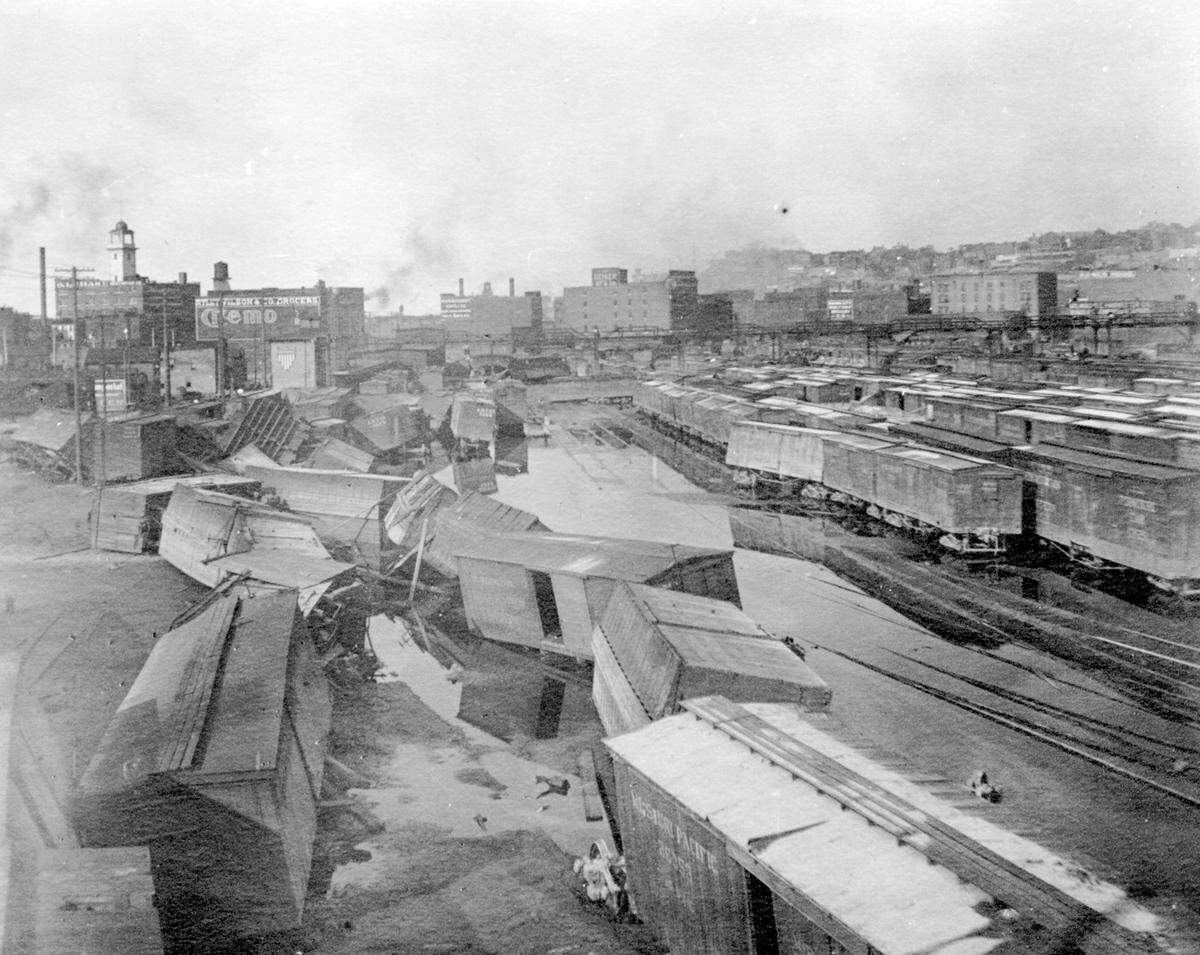
He lived up to those words. As a saloonkeeper, he functioned as a banker for West Bottoms laborers, exchanging paychecks for cash — without cheating them. In 1903, when a flood devastated the city’s low-lying areas, Pendergast reportedly personally directed recovery efforts in his ward. As an alderman, he began the Pendergast tradition of securing city jobs for his supporters — but only after sizing them up.
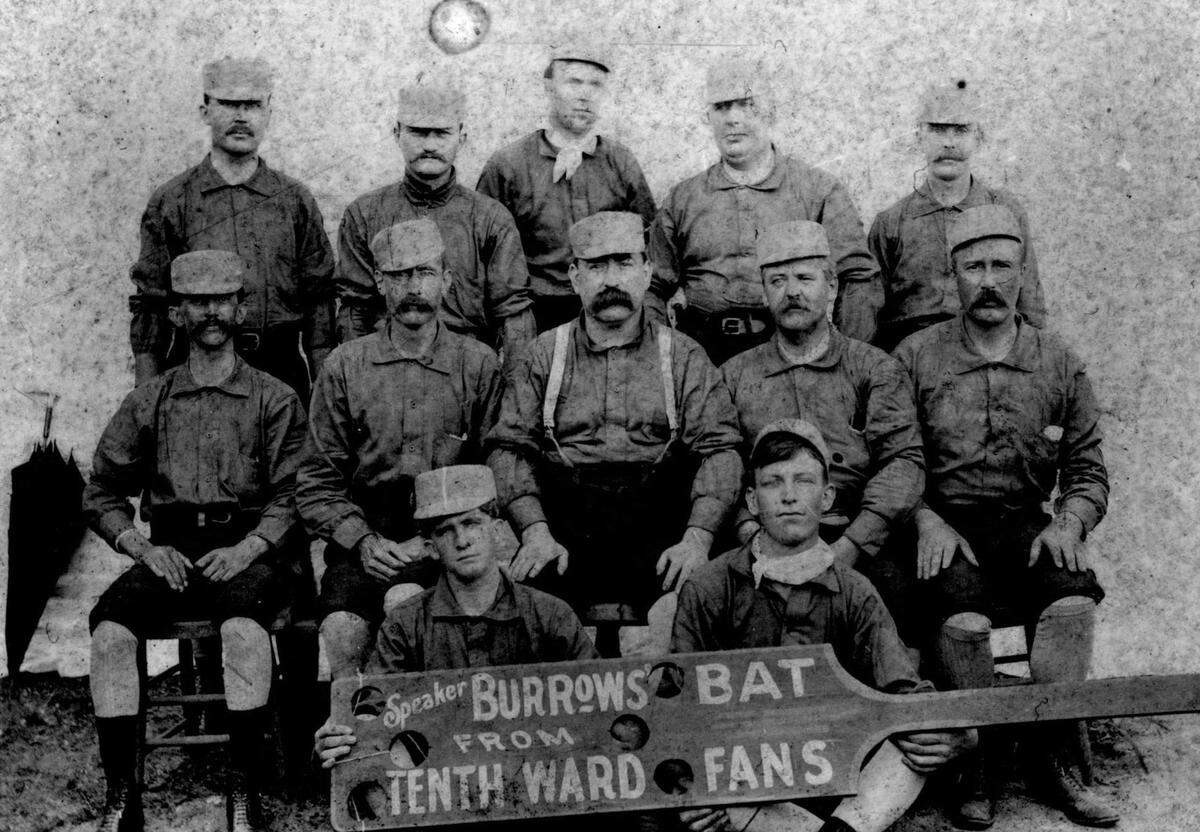
Despite an abundance of friends, Pendergast had no shortage of rivals — even within his own party. He led the Goats, named for his First Ward constituents, many of whom lived along the steep bluffs below Quality Hill. In contrast, his chief Democratic rival, Joseph Shannon, led the Rabbits, who drew support from newer neighborhoods southeast of downtown. Their clashes dominated Kansas City’s Democratic politics for years.
All Republicans, of course, were his opponents. Yet Pendergast was often praised for not letting politics turn personal — except for an 1888 incident at a Republican gathering in a downtown saloon, where he punched a man during a heated dispute and was arrested. Afterward, he became a teetotaler and gained a reputation for helping others struggling to overcome alcoholism — a remarkably selfless turn for a saloonkeeper.
His selflessness extended to politics as well. When city officials proposed building a new railroad station on higher ground, safe from flooding, Pendergast supported the move—even though abandoning Union Depot would devastate his West Bottoms businesses. When a local reporter asked why he supported the Union Station vote, he simply replied, “The public needs it.”
James Pendergast vs. William Rockhill Nelson
Perhaps his most formidable rival was newspaper publisher William Rockhill Nelson.
Nelson championed Progressive Era reforms aimed at eliminating poverty, managing the effects of industrialization, assimilating immigrants, and dismantling boss-led politics — putting him naturally at odds with Pendergast. When one of Nelson’s reporters asked Pendergast in 1908 about his biggest election obstacle, he growled, “You know … it will be The Kansas City Star-r-r-r.”
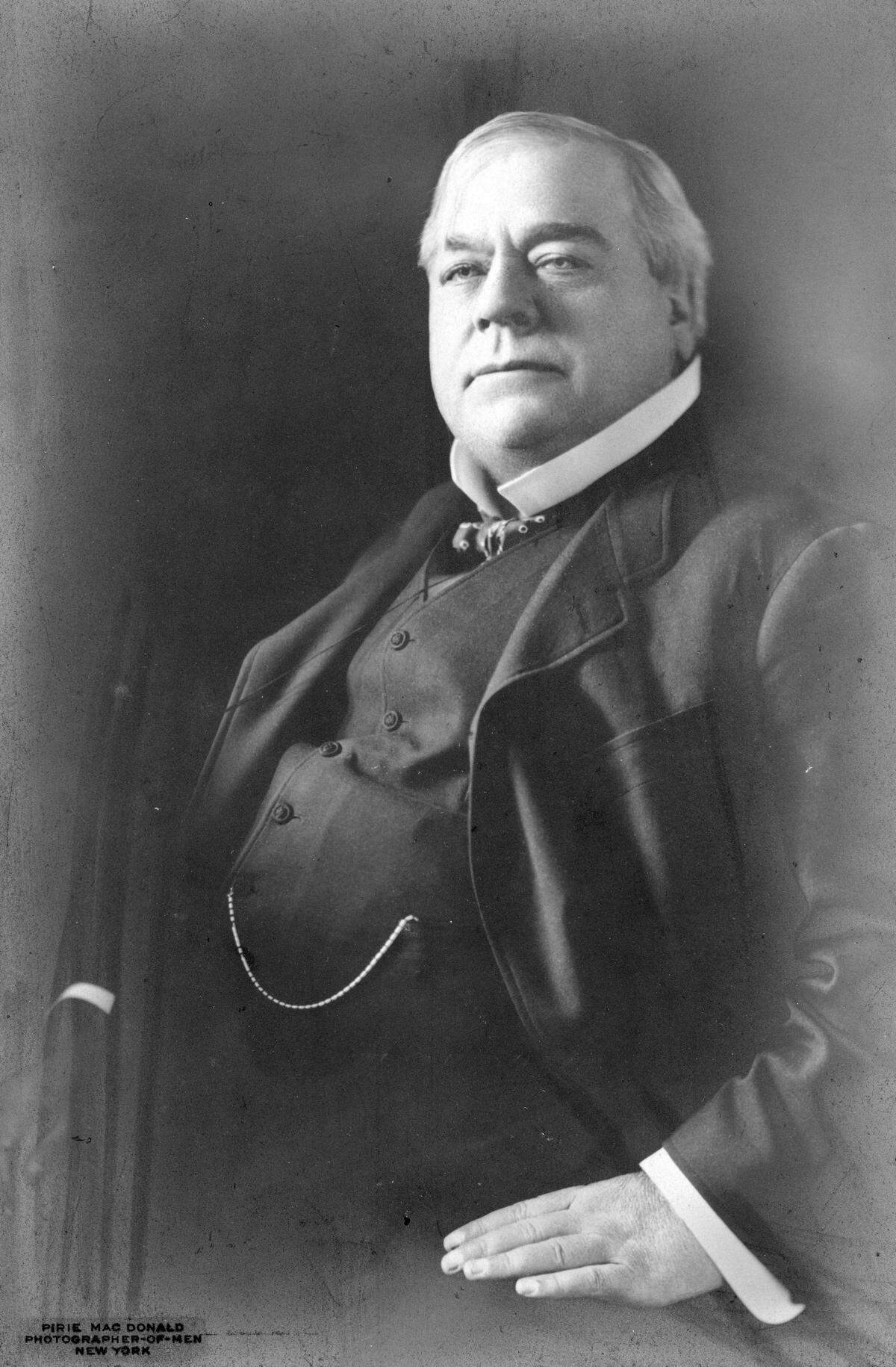
In poor health, Pendergast retired from politics in 1910 and died a year later at age 55. Friendlier newspapers covered his life and funeral — then one of the largest in the city’s history — in greater detail, but even The Star conceded he would be remembered as “the man who never broke a promise.”
Big Jim’s empire was in good hands. Years earlier, he had been joined by his three younger brothers, including a rising Democratic power broker: a young Boss Tom.
Memorializing James Pendergast
Democrats and Republicans quickly united around the idea of memorializing Pendergast. They chose a site in Mulkey Square Park, near 13th and Summit streets where he could watch over the First Ward for a bronze statue and fountain. A sculptor was commissioned, and funds were raised by public subscription. The monument debuted on Independence Day 1913.
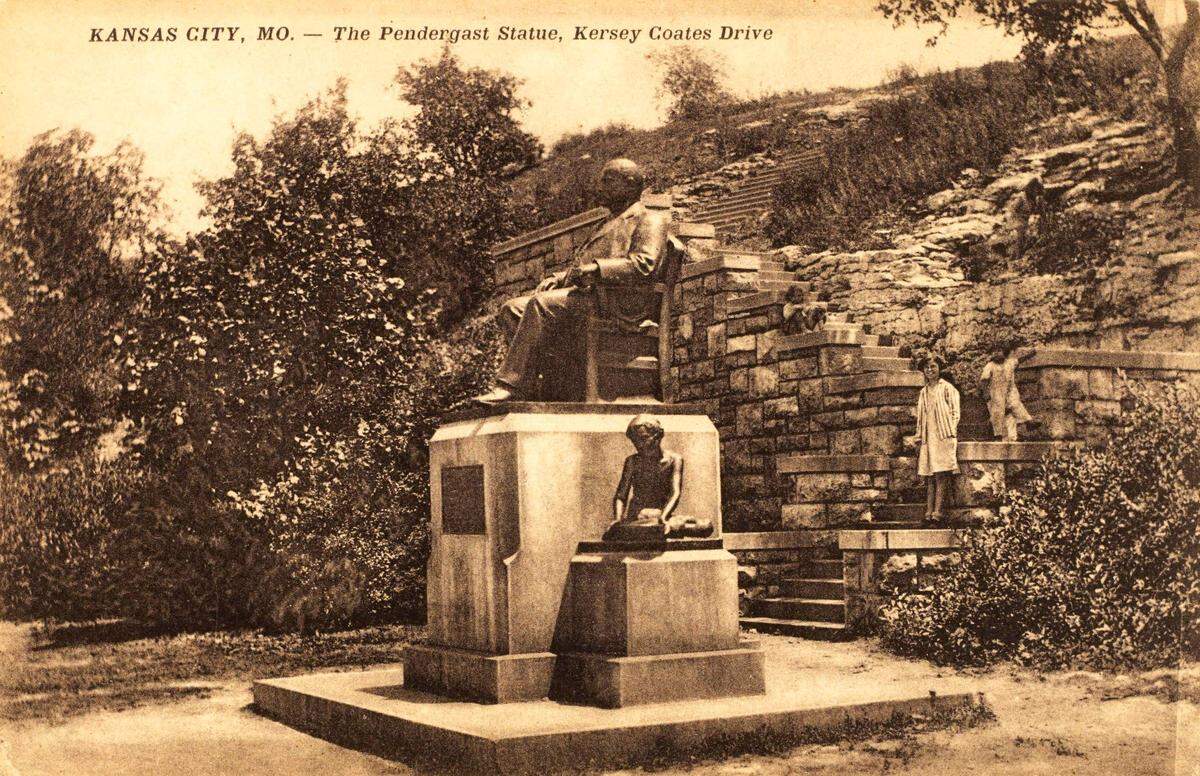
That July 4, the public gathered to see a bronze likeness of Pendergast seated atop a granite base. Beside him stood two children, also cast in bronze, holding water basins that served as fountains — a nod to his charitable nature.
Tom’s daughter, Marceline, pulled a cord to remove the cloth covering the statue, while a giant American flag served as a backdrop. A camera crew filmed the ceremony and the speeches from local dignitaries, later charging 10 cents to view the film and boasting, “You can almost hear them speak!”
Statue faces trouble in KC
Unfortunately, the monument faced trouble almost immediately. In 1914, thieves managed to dislodge one of the bronze children and carry it 150 feet before abandoning the 300-pound figure. The child was replaced, but by 1915, both figures had been stolen — and the fountain features were never restored. The local press debated whether the culprits were metal thieves or worse — Republicans.
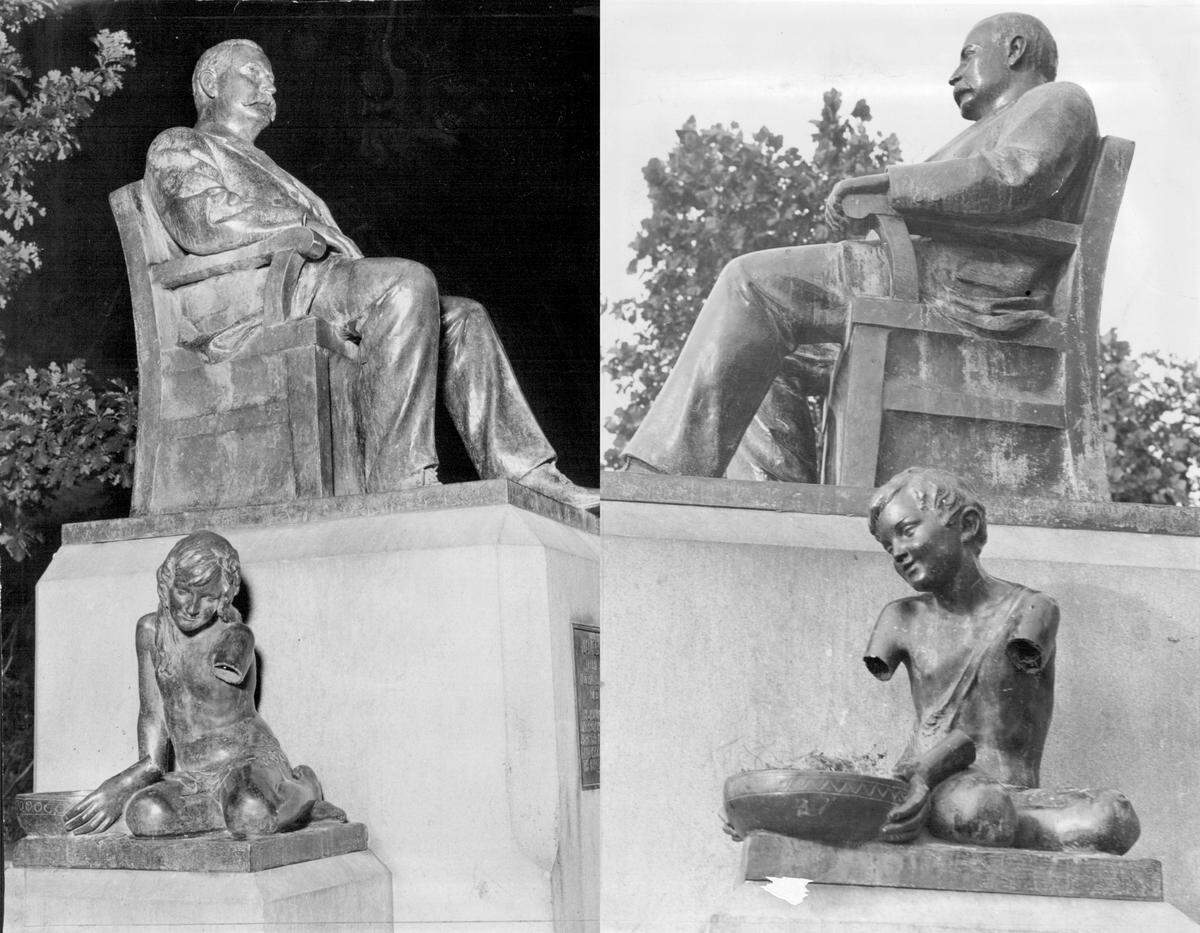
Pendergast sat alone until the city replaced the missing figures from the original casts in 1919. However, starting in the 1930s, thieves unwilling to move the heavy statues began sawing off the children’s limbs piece by piece. During the construction of Interstate 670 in the late 1960s, the monument was relocated within the park. By 1976, both children were gone again.
Big Jim, too heavy to steal and too thick to saw through, endured decades of vandalism. By 1990, when the Board of Parks and Recreation Commissioners voted to restore the memorial, it bore a hacksaw gash in its neck, remnants of roofing tar that had been poured over its head, silver paint over its eyes, dried egg stains, initials carved into the granite base, and a hole — possibly from a bullet — in its backside.
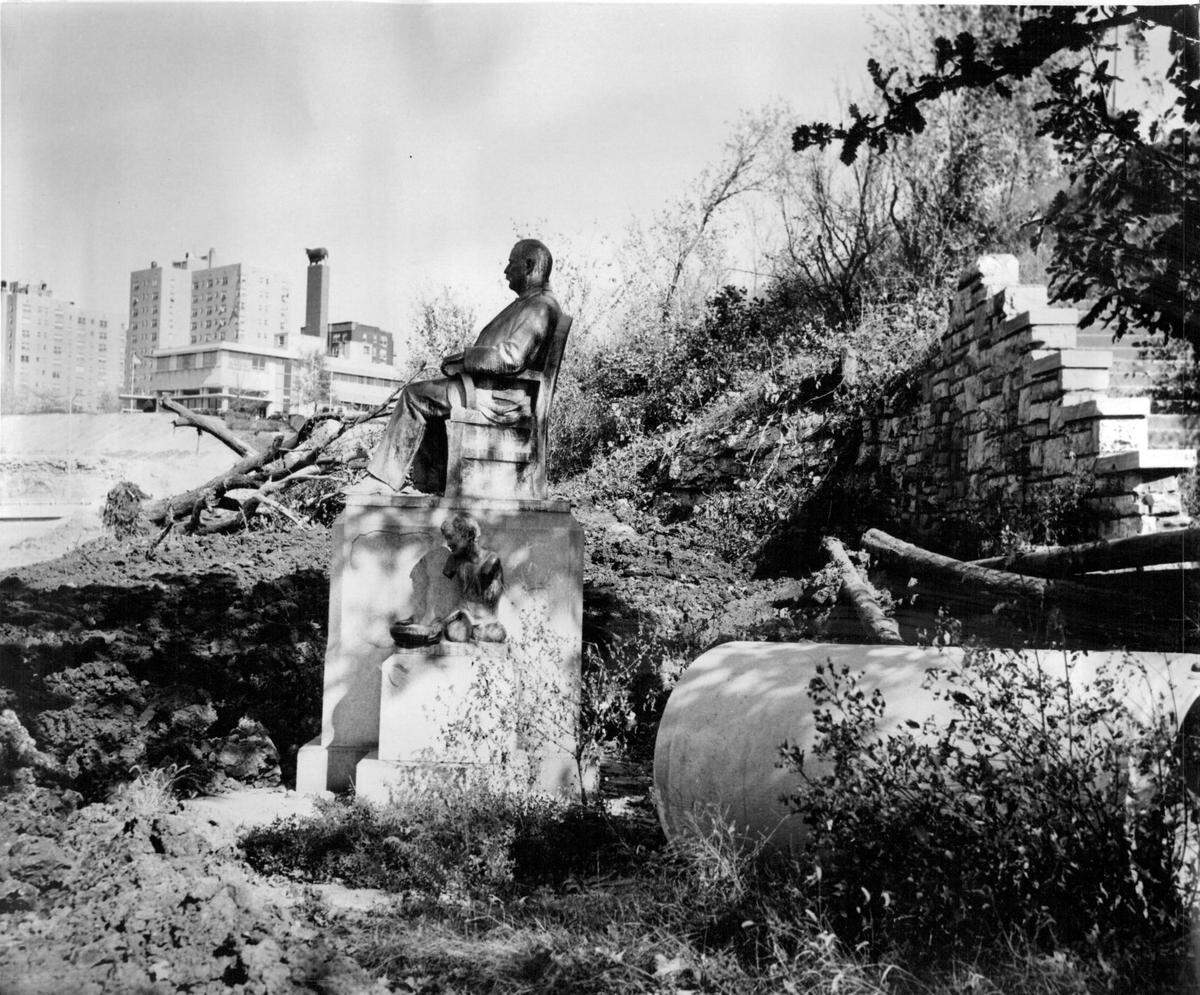
Along with approving restoration work, the parks board authorized moving the statue from its isolated spot in Mulkey Square to West Terrace Park.
A Friends of Jim Pendergast organization, joined by local Irish clubs and labor organizations, helped fundraise for the restoration and commissioned local sculptor Tom Corbin to recreate the missing children — proving that Big Jim still has plenty of friends in Kansas City and that the Pendergast name means more than corruption and vice. Big Jim continues to watch over his beloved West Bottoms from his new vantage point.
This story was originally published May 18, 2025 at 5:00 AM.