
You’re not the only one who’s sniffly. Kansas City is hitting peak fall allergy season
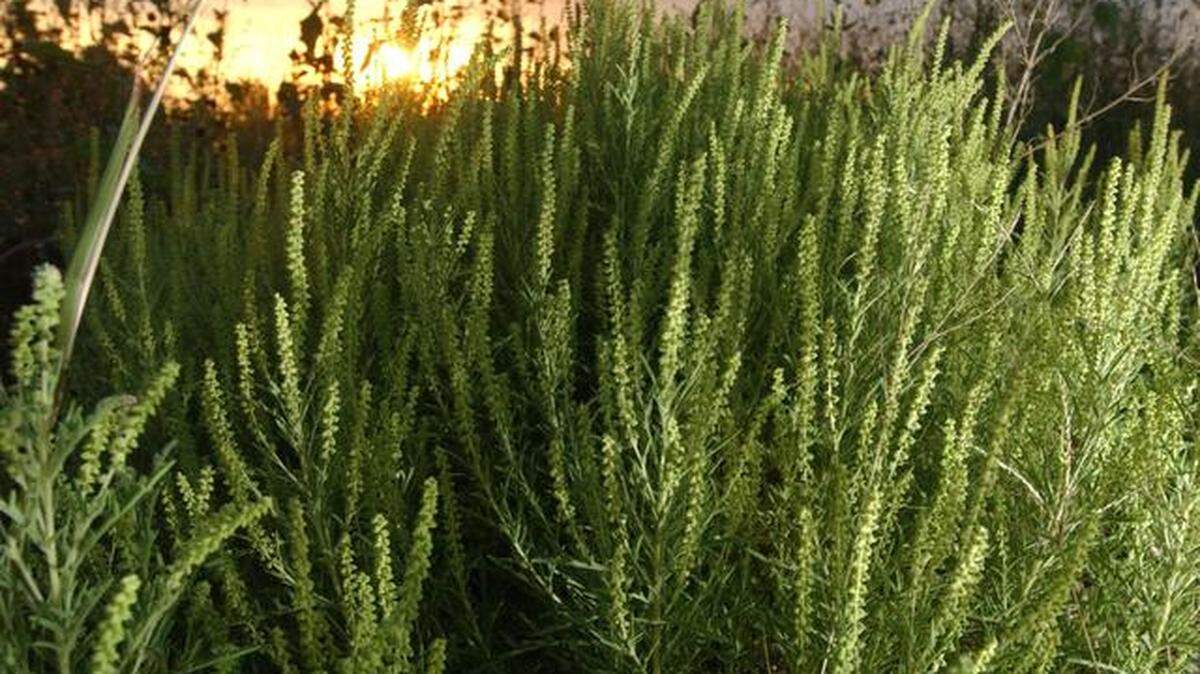
Fall allergy season is reaching its peak in the Kansas City area, according to experts at Children’s Mercy Hospital. The hospital reports that ragweed is the most prolific type of pollen in Kansas City’s air right now, but that volumes will begin to decline soon.
“We have reached the peak of the fall allergy season and anticipate a slow decrease in the counts over the next few weeks,” the hospital wrote on its pollen tracker page on Tuesday. “For those with allergies, hang in there as the season is about to start winding down.”
Researchers have linked more intense allergy seasons to the climate crisis, since warmer temperatures and higher CO2 levels can cause plants to produce more pollen. Here’s what we know about how allergies impact the Kansas City area.
What changes have been observed in Kansas City?
A 2012 study in the Journal of Allergy and Clinical Immunology found that tree pollen in Kansas City increased in volume over a 15-year period. The most common pollen varieties were from oak, mulberry and juniper trees.
A 2017 study in the same journal found a correlation between pollen levels and emergency department visits for asthma and related issues at Children’s Mercy Hospital.
“As our climate changes, it is important to continue to monitor the changing local allergen patterns to help guide asthma management,” the study concluded.
Why is allergy season getting more intense?
Longer and more prolific pollen seasons are just one symptom of a rapidly warming climate. Air pollution can also contribute to respiratory conditions like asthma and exacerbate humans’ reactions to allergens.
“When CO2 goes up, plants tend to grow a little bigger, they tend to put out more flowers as a fraction of their mass, and individual flowers tend to have actually more pollen on them,” biologist William Anderegg told Vox News last year.
How do we know humans are to blame?
While some of the seasonal changes in pollen levels have natural causes, human contributions to the climate crisis play a significant role.
A 28-year study released last year by the journal Proceedings of the National Academy of Science (PNAS) used climate modeling to conclude that human activity is around 50% responsible for pollen season’s earlier arrivals, and around 8% responsible for the higher concentrations of pollen measured in the air.
Do you have more questions about the impacts of the climate crisis on Kansas City? Ask the Service Journalism team at kcq@kcstar.com.
.jpg)