
Kansas City winter is on its way. Here are tips to prep your home to save on utilities
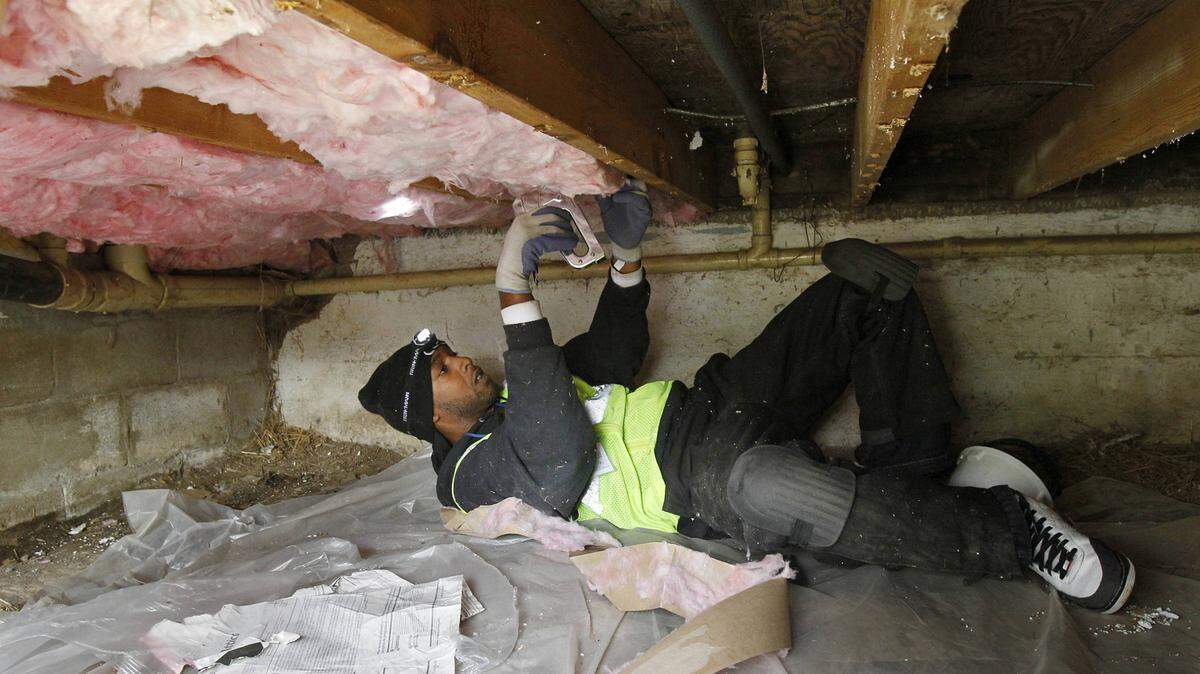
October is National Energy Awareness Month, an annual occasion that celebrated its 30th anniversary last year. That means it’s a perfect time to think about how to prepare your home for the coming winter months to save on the rising cost of utilities.
Energy efficiency is a key part of sustainability. After all, the cleanest energy of all is the energy you don’t use in the first place. Bridging the Gap, a Kansas City environmental nonprofit, works with homeowners and renters to spot common sources of energy waste.
“I think we’ve been in 620 (households) in this past year,” said Kristin Riott, the organization’s director. Her team helps residents with simple fixes that can decrease home energy bills without needing to invest in a full home energy audit.
By keeping your home as tightly sealed as possible, you can avoid spending extra money and power on heating this winter.
Look up – that’s where heat escapes
While weatherproofing often focuses on windows and doors, there are other gaps in your home’s structure that allow hot air to seep out during the winter. Since hot air rises, Riott recommends starting with your roof or simply the ceiling of your apartment.
“The greatest loss of energy, in general, is from warm air rising in the wintertime,” she said.
Do you have fixtures like lights or fans? How about a fireplace with a chimney? Any cracks, breaks or openings in the layer above you gives warmth an opportunity to escape. To avoid this, be sure to close your chimney and tighten any ceiling fixtures in wintertime. You can even buy special covers for attic fans and insulating foam for your rafters to keep hot air indoors.
Seal cracks around doors and windows
The most obvious portals in and out of your home are the ones you use every day — the doors and windows. If you have an ill-fitting door or missing window panes, sealing those is your first priority. You may need to invest in a new window or purchase a door sweep to prevent cold air from getting in. But even if your doors and windows are in good condition, Riott recommends waiting for a windy day and checking for gaps around their frames.
If you can’t tell where air is coming in just by feeling with your hand, try this trick: Light a candle and hold it close to (but not touching) the areas where the frame connects to the surrounding wall. If the candle’s flame flickers, there may be air coming in. An inexpensive tube of caulk from the hardware store can seal these gaps and make your walls airtight.
Know your thermostat
Riott noted that one of the most important ways to reduce heating costs in the winter is to familiarize yourself with your thermostat — many modern ones are programmable, allowing you to set daytime, evening and nighttime temperatures to adjust on their own.
There’s no need to heat your home at full power when it’s empty. If your thermostat is the old-fashioned kind, consider setting a reminder in your phone or leaving yourself a note to turn the heat down whenever you leave the house or go to bed.
Reinforce exposed duct joints
If your home has exposed ducts — those big metal tubes that carry air throughout your house or apartment — they may be allowing heat to escape. Riott recommends applying duct putty onto the joints where ducts turn a corner or split off in a different direction.
This simple fix can reduce the waste of heat in places like your basement, closets or attic, keeping it traveling to the living spaces where it belongs.
Seal electrical outlets
Your electrical outlets are another place where cold air could be entering or warm air could be leaving through breaks in your walls. Plastic outlet covers can plug these holes, and special foam inserts can insulate the space behind your switchplates. It may seem like a small fix, but you likely have multiple outlets in each room of your home.
Riott notes that you shouldn’t seal outlets by plugging appliances and chargers into them. This can cause a slow drain of what she calls “phantom power”: a small amount of electricity that devices use even when they’re turned off.
Choose cool water
Your heating bill doesn’t just reflect the energy it takes to heat your home — it likely includes the power required to heat your water as well. Choosing cold or cool water for tasks like laundry, running the dishwasher and watering your plants can help reduce these heating costs.
Get creative with windproofing
Windchill is real: A windy day can feel significantly colder than a calm one, and can put your home’s insulation to the test. But Riott noted that a little landscaping can help reduce the impact wind has on your home.
Planting evergreen trees on the northern or northwestern side of your building can create a natural buffer against winter winds. These hardy trees also provide a great opportunity for holiday decorating. The Arbor Day Foundation has plenty of tips for how to use trees to conserve winter warmth.
Call in professionals
These simple fixes can only do so much. If you’ve tried some of the tips laid out here and still find your house drafty or your energy bills through the roof, it may be worthwhile to invest in a home energy audit. Bridging the Gap provides a small number of these audits every year, and your utility companies may be able to provide audits as well.
If you have energy efficiency issues that can’t be fixed alone, help is available. Habitat for Humanity Kansas City offers help with weatherization and other home repairs depending on your circumstances. Seniors, veterans and people with disabilities can also apply for free home repair assistance through the local nonprofit Christmas in October. Ask your neighborhood association about other low-cost options to keep your home warm and your bills low this winter.
Do you have other questions about energy efficiency in Kansas City? Ask the Service Journalism team at kcq@kcstar.com.
.jpg)