
Dust from the Sahara Desert traveled to Kansas City. What that means for air quality
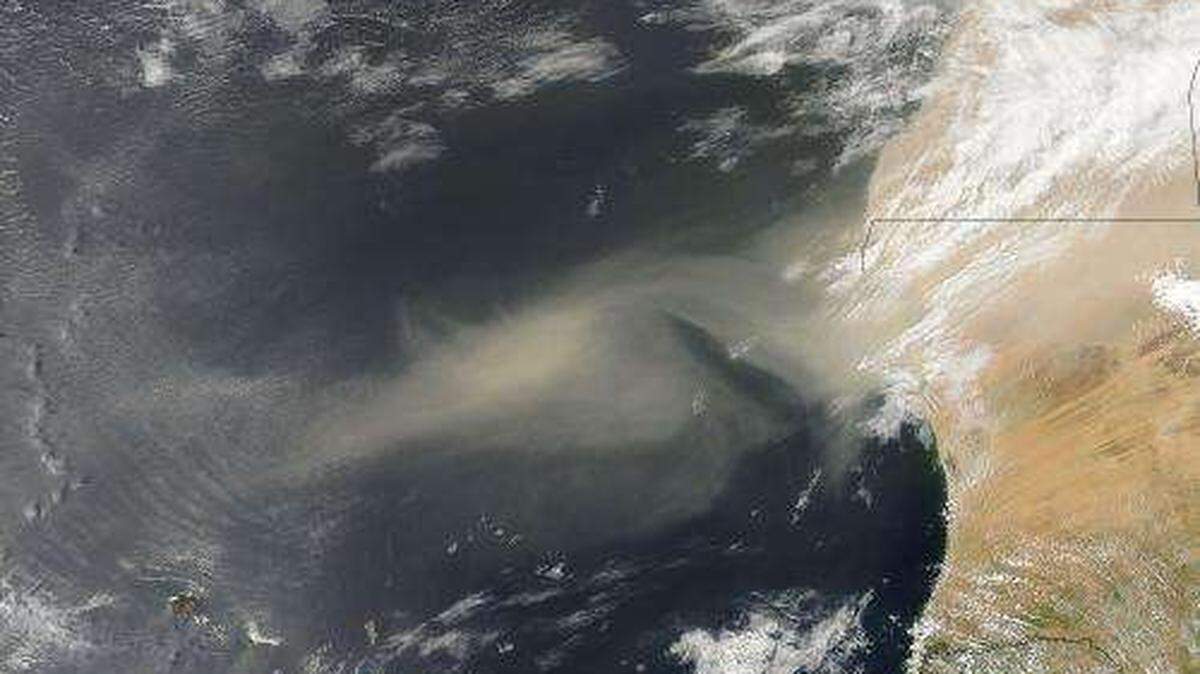
If you noticed hazy skies this week, it’s actually due to dust all the way from the Sahara Desert in Africa.
The dust traveled over thousands of miles before making its way up to Kansas City. The dust was spotted on Tuesday after traveling across the Atlantic Ocean into the states.
Saharan dust comes to the states on an annual basis during the early and middle summer months and can last around three to five days, according to National Weather Service meteorologist Brad Temeyer.
How does the dust make it so far from the desert?
According to Temeyer, there is less friction with the wind over the ocean, making it easier to transport that dust away from Africa.
What do the dust clouds do?
If you haven’t noticed already, the bout of African dust can cause some gorgeous sunsets, hazier skies and the occasional blanket of dust on your car, according to NWS.
The dust particles can also cause some sneezing and wheezing for people with asthma or trouble breathing.
Air quality might be slightly reduced. The air quality on Wednesday was considered moderate at 54 AQI. It is expected to go down to 42 AQI by Thursday, which is considered good air quality, according to IQAir.com.
Dust might help reduce heat
Saharan dust can decrease the humidity slightly by absorbing the moisture in the air. The dust particulates can also block out solar radiation that would be coming from the sun. So it can slightly reduce how hot it feels across the region, Temeyer said.
The reduction in heat will be slight though, so make sure to still stay hydrated and stay cool as temperatures rise throughout the week.