It’s morel hunting season in Missouri. Tips for foraging, identifying and eating them
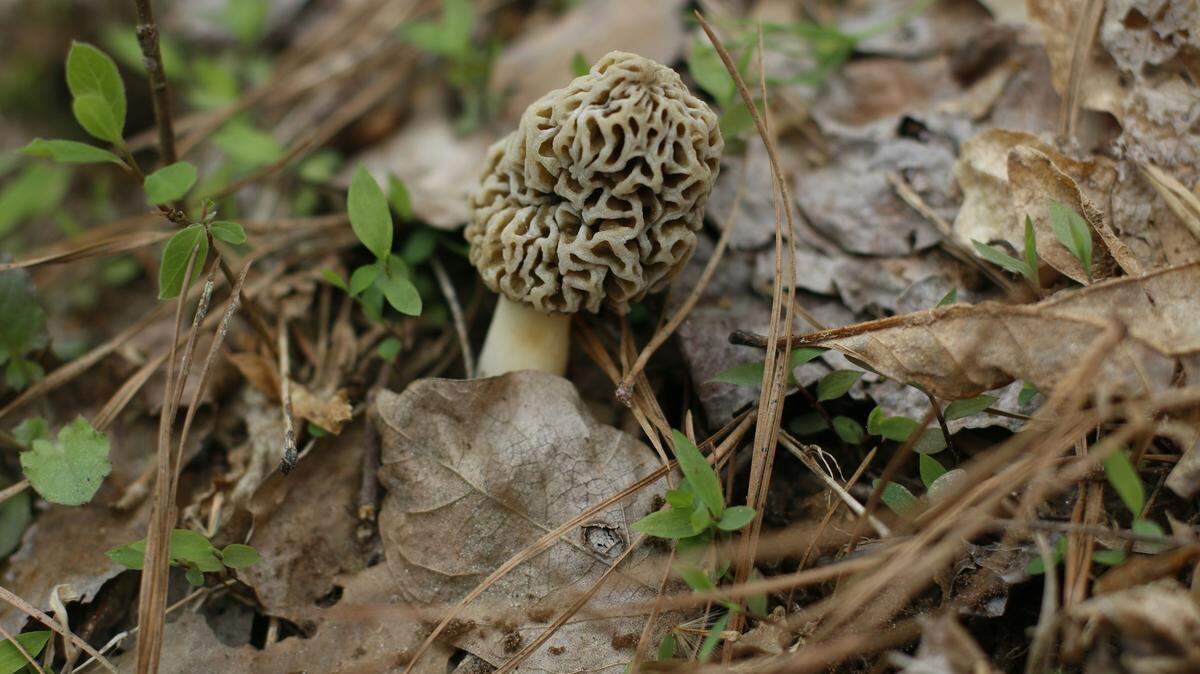
Morels are funny-looking, elusive and back in season in Missouri.
The wild, edible mushrooms only grow from about late March to early May under specific temperatures and soil moisture, and their earthy colors make them blend into the forest undergrowth where they spawn, the Missouri Department of Conservation said. Searching for them every spring is a family tradition, enduring obsession or special occasion for many of those who partake.
“They are common but notoriously hard to locate against the forest floor,” according to the Missouri Department of Conservation.
For those who live near the morels or are traveling to hunt them, here’s how to start collecting.
Where to forage for morels
Most hunters keep their favorite foraging spots a secret, according to the Missouri Department on Conservation.
“Morels are treasured for their delicious flavor and the fun of the hunt, often a family tradition spanning generations,” the department’s field guide states.
The Great Morel blog maintains a yearly map where foragers can submit the locations of their sightings, but most don’t give more details than the city and zip code. Aside from a single February sighting in northern California, all of them were posted in March.
Josh Hartwig, media specialist for the Missouri Department of Conservation and host of “Discover Nature” on KRCU, said morels grow within 24 to 48 hours, meaning a promising spot could be bare one day and full the next.
“Look for them in moist woods, river bottoms, and on south-facing slopes every few days or so,” he said on KRCU. “They’re often found near dead elm trees, in old orchards or burned areas.”
They also typically emerge when temperatures reach a low in the 50s and a high in the low 70s and peak around the time lilacs bloom, according to the Missouri Department of Conservation.
How to identify the mushrooms
The mushrooms come in several varieties and species, but they’re all hollow-stemmed and have a cone-shaped cap marked with definite pits and ridges that resemble a sponge, pinecone or honeycomb, according to the Missouri Department of Conservation’s field guide.
Morels must be cooked thoroughly before they can be safely eaten, but there are many “false morels” growing in Missouri that are dangerous to consume no matter what, officials said.
Typically, the department says, they have “wrinkled, floppy-looking, irregular caps” instead of the morel’s cone shape. Instead of pits and ridges, they’re marked with folds, lobes and wrinkles. Morels always have hollow stems, so a chambered or solid stem is a giveaway as well, officials said.
The Missouri Mycological Society maintains a list of experts who can help foragers identify their finds, for anyone who wants to be sure.
Cooking them
Alan Bergo, a Minnesota chef with a long history of working with the mushrooms, wrote that people often go overboard when cleaning their morels. There’s no need to soak them in water or boil them, he said. Instead, he recommends rinsing them in cold water and drying them on paper towels.
“If the mushrooms are from sandy soil or it’s rained recently, I’ll dehydrate them as they’re hard to clean,” he wrote.
He said the three varieties — blondes, greys and blacks — have their own distinct textures and tastes. Greys are small and dense, while blondes are thinner and get crumbly as they grow. Blacks, which start out as a creamy color, are the most commonly commercially harvested, he said.
In his recipes, Bergo recommends browning, sauteing or stewing them to incorporate into sauces. Drying them in a dehydrator for later is another common way to prepare them.
True morels, if undercooked, can be just as dangerous as the false ones. According to the Montana Department of Public Health and Human Services, 51 people got sick after eating raw or only partially cooked morels at a Montana restaurant in spring 2023. Three people were hospitalized, and two died, officials said.
“Those who became ill experienced symptoms including diarrhea, nausea, and stomach pain,” the department reported. “People became sick shortly after consuming the morels, typically within one hour after the restaurant meal.”