
Missouri pollution is so bad it hurts other states. Power plants ordered to cut emissions
The U.S. Environmental Protection Agency released an order Wednesday which instructs Missouri, along with 22 other states, to reduce its air pollution levels.
The order, called the Good Neighbor Rule, focuses on reducing emissions of nitrogen oxides from power plants and industrial facilities. These gasses directly contribute to ground-level ozone, also known as smog. They include nitrous oxide (N2O), nitric oxide (NO) and nitrogen dioxide (NO2), and are collectively referred to using the abbreviation NOx.
“This action will save thousands of lives and result in cleaner air and better health for millions of people living in downwind communities,” the EPA wrote on its website.
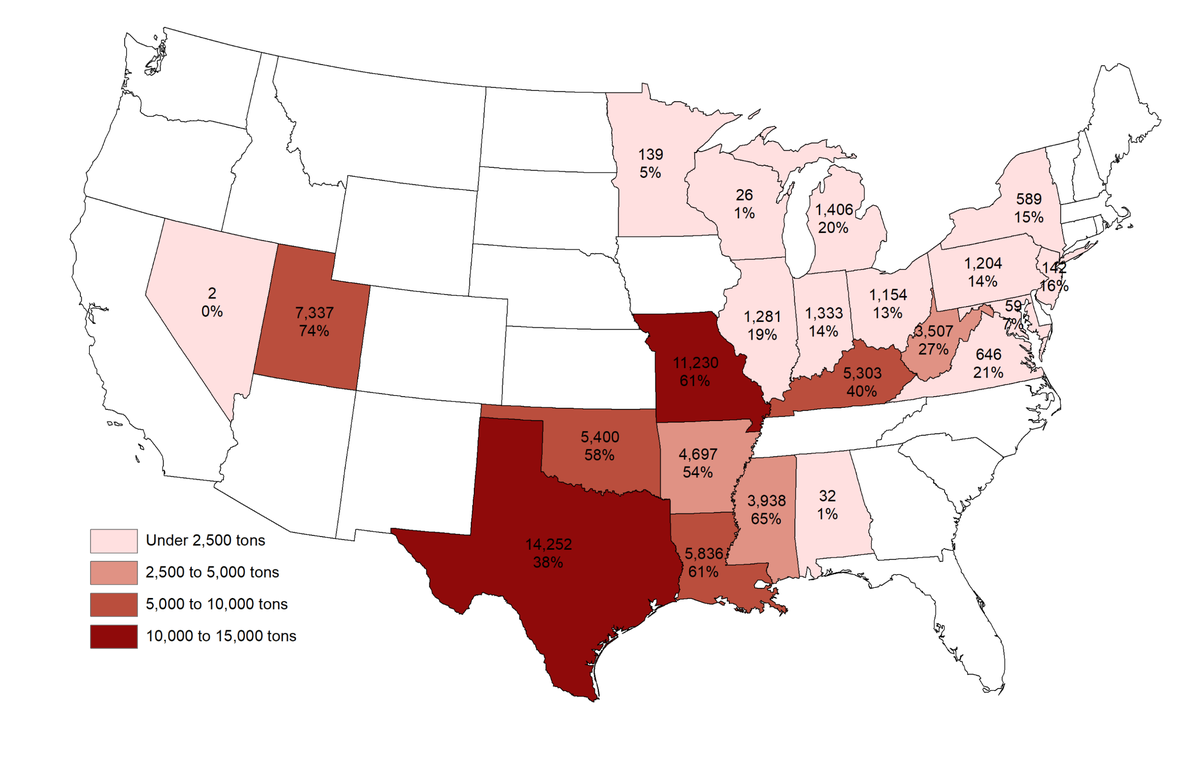
Missouri’s role in these emission reductions is significant: The rule instructs the state’s power plants to reduce their nitrogen oxide emissions by 11,230 tons by 2027. That’s a reduction of 61% compared to the state’s 2021 levels — one of the largest in the ruling.
The order also instructed industrial facilities in Missouri to cut their emissions by 2,065 tons by 2026. That’s a reduction of 18% compared to 2019 levels.
The biggest nitrogen oxide culprits in the industrial sector are the kilns, boilers, furnaces and incinerators used to manufacture raw materials like cement, metal, glass and chemicals as well as to burn solid waste.
Why does Missouri need to decrease its nitrogen oxide emissions?
According to the ruling, Missouri has failed to meet air quality requirements that the EPA established in 2015 under the Clean Air Act.
Now, Missouri’s emissions are impacting the air quality in nearby states like Illinois and Wisconsin, making it harder for them to meet their own clean air goals. As a result, Missouri must reduce its own nitrogen oxide emissions dramatically over the next few years.
EPA spokesperson Kellen Ashford told The Star that most of Missouri is in line with the agency’s 2015 emissions goals — but the St. Louis area has more work to do. The city has until next summer to get back in line with nitrogen oxide reduction requirements.
A Missouri spokesperson for the Sierra Club, one of the nation’s largest environmental organizations, placed the blame for the state’s high emissions squarely on utility companies.
“Utilities advocated for a do-nothing plan and that’s exactly what they got from our state regulatory agency that is more of a lapdog than (a) watchdog,” said Jenn DeRose, a representative for the group’s Beyond Coal Campaign. “The EPA’s ozone plan is critical so Missourians and downwind communities can breathe easier.”
The agency in question is the Missouri Department of Natural Resources, which oversees Clean Air Act and Clean Water Act compliance in the state.
What does the EPA’s order mean for Kansas City?
The city’s recently passed Climate Protection and Resiliency Plan aims to reduce greenhouse gas emissions in the metro.
Climate Protection Steering Committee chair Robin Ganahl told The Star that the city’s plan will help contribute to NOx reductions in the state.
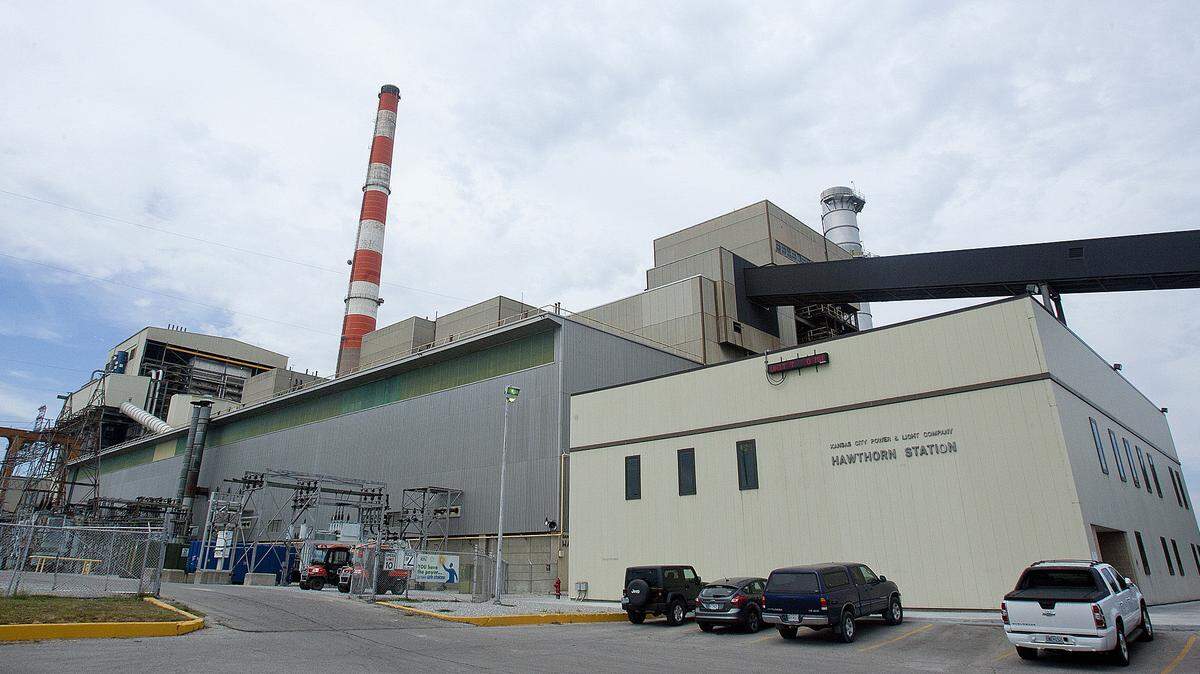
“The CPRP’s goal of retiring the Hawthorn coal plant by 2025, electrifying buildings and homes, building more housing near transit and jobs, and accelerating the build out of sidewalks, protected bike lanes, and expanding public transit to reduce car use would help us get there,” she said.
The Hawthorn coal plant is located northeast of downtown, just south of the Missouri river. Local environmental groups have long advocated for its closure.
Spire and Evergy, the two major utility providers in Kansas City, told The Star that the new EPA order won’t significantly affect their operations.
“Evergy has reduced the... (NOx) emissions at our plants both companywide and in Missouri (by) 88 percent since 2005,” spokesperson Kaley Bohlen told The Star. “Based on the proposed rule and measures already in place, we don’t anticipate significant challenges to meet the rule requirements.”
Bohlen added that Evergy already uses emission reduction technology on its coal power plants in Missouri.
Spire spokesperson Jason Merrill told The Star that “this (rule) does not impact our operations.”
Note: An earlier version of this story incorrectly used the name of one nitrogen oxide gas as the name for the family of gasses.
Do you have more questions about air quality in Kansas City? Ask the Service Journalism team at kcq@kcstar.com.
This story was originally published March 18, 2023 at 6:00 AM.
.jpg)