Your chances of seeing Northern Lights are better this Labor Day weekend. What to know
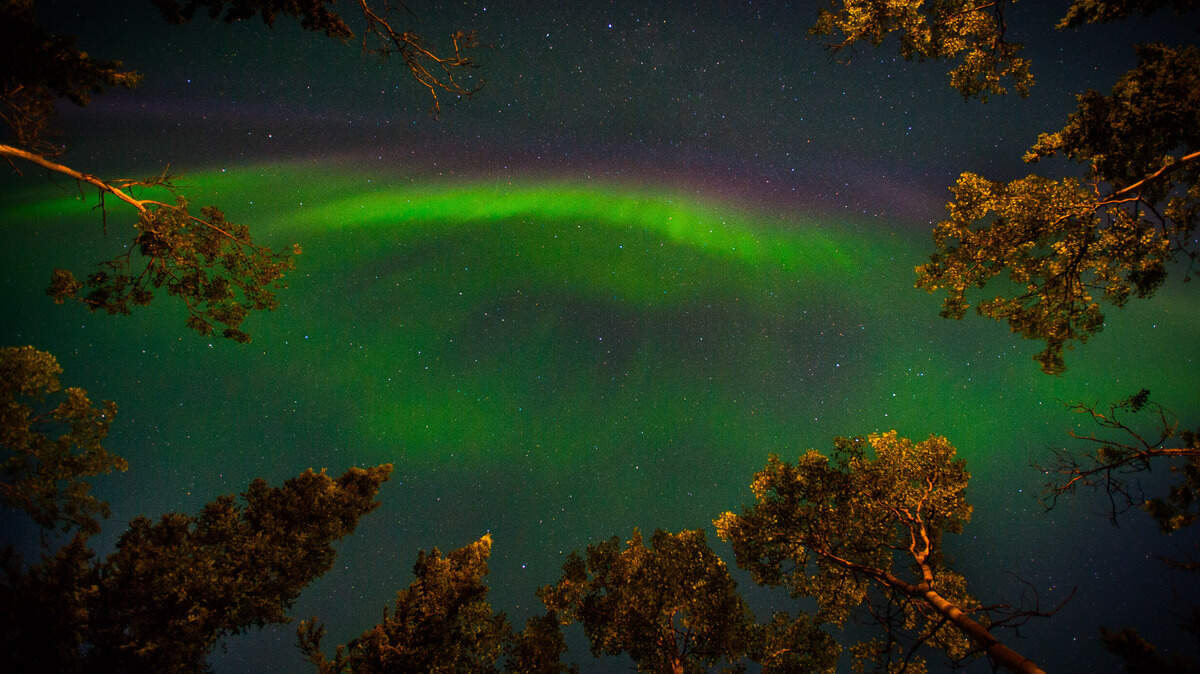
The northern lights, or aurora borealis, will be visible over more areas of the U.S. than usual over Labor Day weekend, forecasts show.
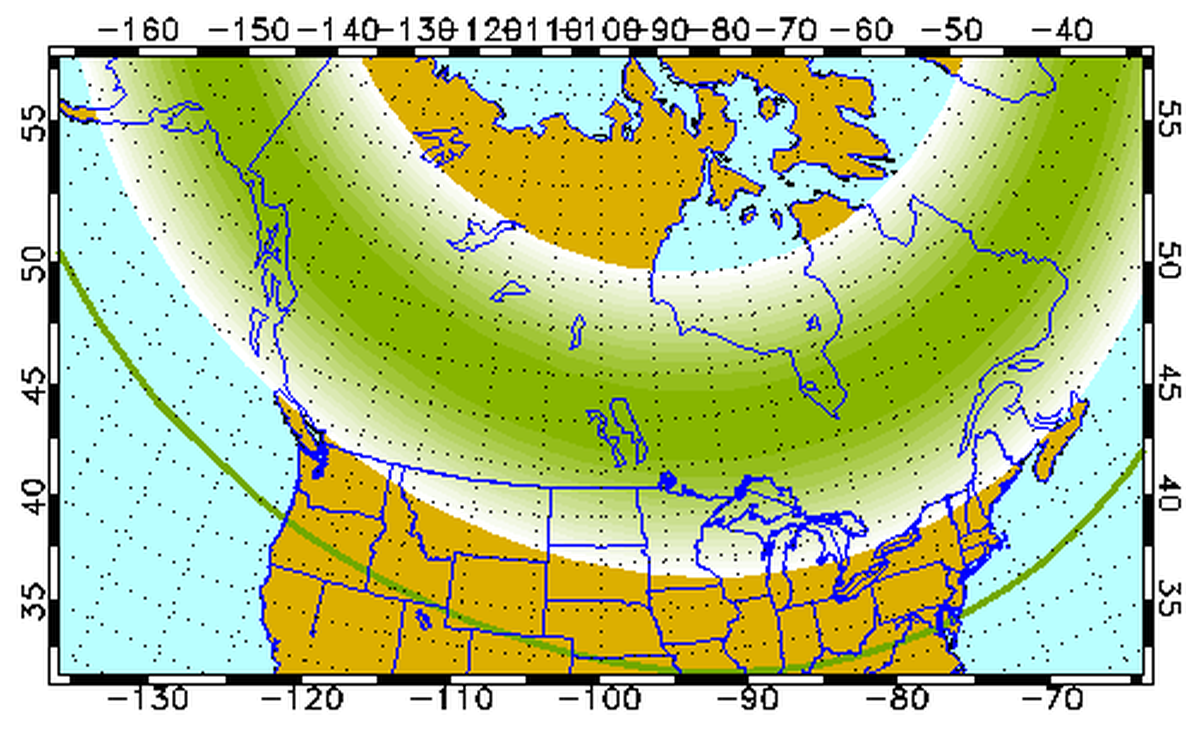
The aurora borealis will be active and visible in parts of the U.S. from Friday, Sept. 2, to Monday, Sept. 5, according to forecasts from the Geophysical Institute at the University of Alaska Fairbanks. The aurora activity will peak overnight from Saturday into Sunday.
During this night of peak viewing, the northern lights will be visible overhead from Helena, Montana, across to Minneapolis, Minnesota; Milwaukee, Wisconsin; and Bay City, Michigan. The areas with overhead visibility are shaded in a green-white band on the map below.
The auroras will be visible lower on the horizon as far south as Salem, Oregon; Boise, Idaho; Cheyenne, Wyoming; Lincoln, Nebraska; Kansas City and St. Louis, Missouri; Indianapolis, Indiana; and Annapolis, Maryland. The areas with horizon visibility fall between the green-white band and the green line on the map below.
No special equipment is needed to watch the light show, according to the Canadian Space Agency. The best northern light viewing takes place under clear skies in areas with little light pollution.
City lights can obscure lower-intensity auroras, the agency said.
The heightened aurora activity over Labor Day weekend is likely due to expected moderate geomagnetic storms on Sept. 4, the National Oceanic and Atmospheric Administration (NOAA) announced. During geomagnetic storms, solar wind energy reaching the area around the Earth results in intense activity and disturbances in a layer of Earth’s atmosphere called the magnetosphere, according to NOAA.
For those living in the areas outside of the northern lights viewing range, the AuroraMAX observatory in Northwest Canada livestreams the auroras every night from August to May, according to the Canadian Space Agency.
The Geophysical Institute at the University of Alaska Fairbanks also offers a live aurora webcam.