
Should Missouri change its state tree to the black walnut? TikTok thinks so
Missouri made the flowering dogwood its state tree in 1955 due to the beauty of its flowers in the springtime.
But in recent days, TikTok disagreed with that choice.
“I think the Missouri state tree, if it were to be chosen today, fresh out of nowhere, will probably not be the flowering dogwood,” said Justin Davies, a content creator on the platform.
Davies, an independent woodworking artist based in Utah, has a series on TikTok carving each state from the wood of its state tree. His last video in the series featured Missouri, who shares its state tree with Virginia.
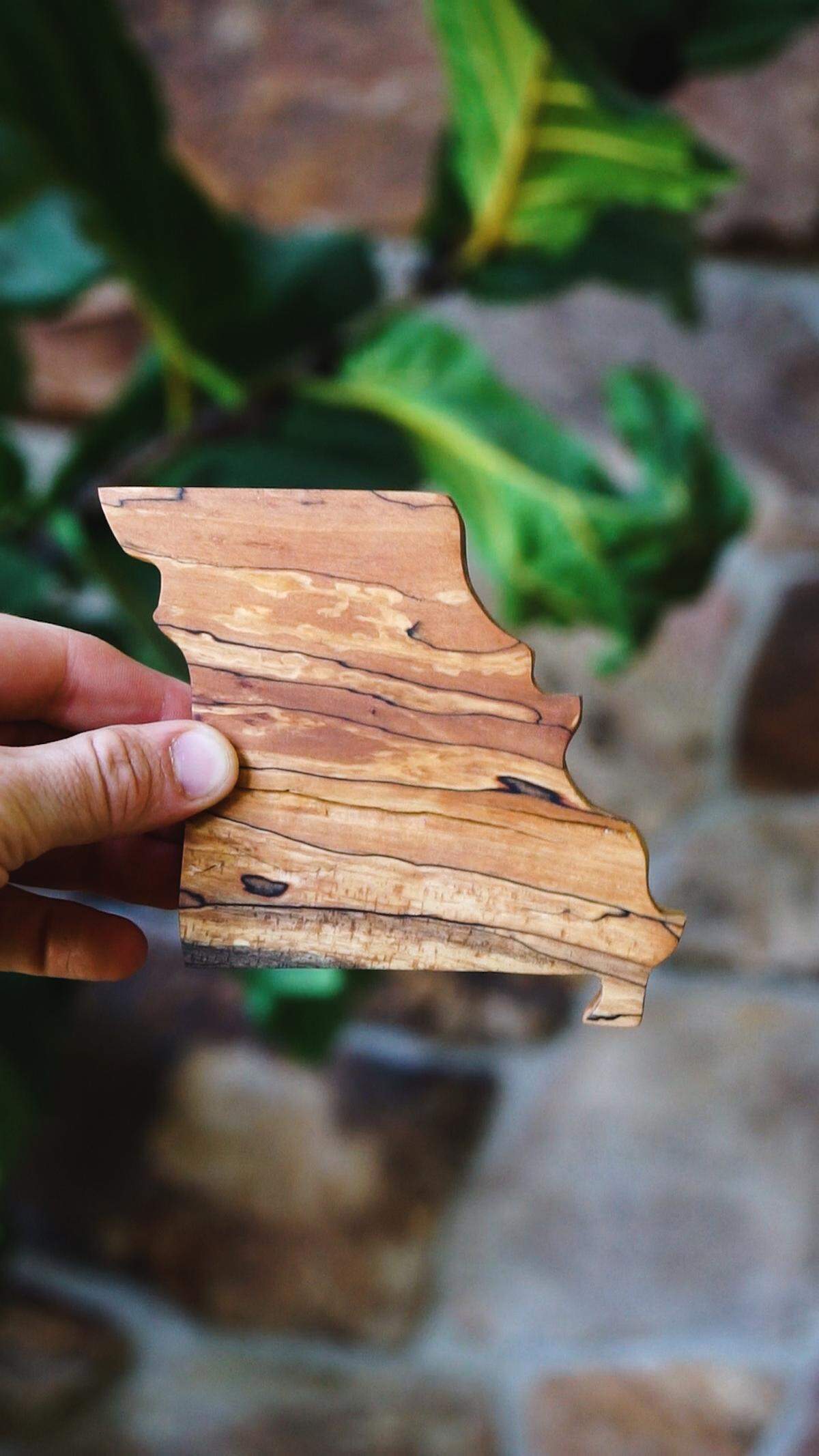
But in videos posted to his TikTok account, Davies advocated for the state tree to be changed to the black walnut tree because of its unique ties to Missouri.
“This concept of Missouri is the home of the black walnut crop, and it’s this crop that’s wild harvested, that just felt really cool and interesting,” Davies said.
The case for the black walnut tree
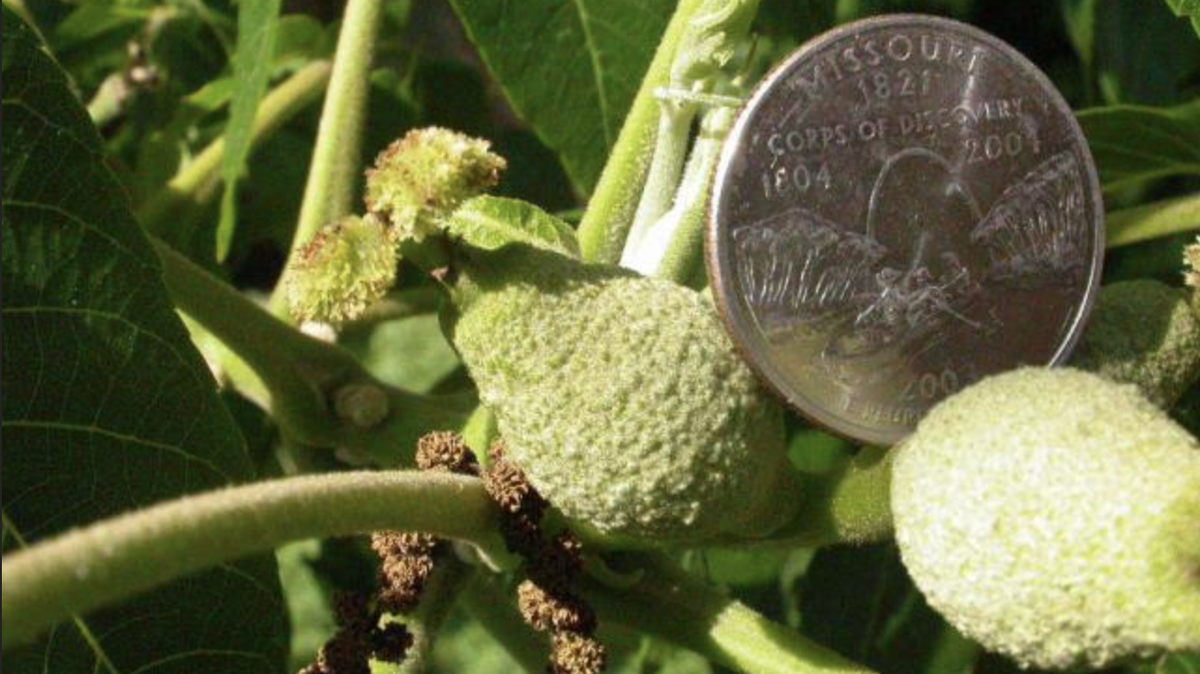
According to the Missouri Department of Conservation, Missouri is the world’s largest producer of black walnuts, which come from the black walnut tree. The city of Stockton even calls itself the “Black Walnut Capital of the World” because it houses the world’s largest commercial processor of the nut, according to its Chamber of Commerce website.
The black walnut is already the official state nut. Its tree is not grown in orchards, but rather in fields and wild forests across the state. Walnuts and lumber from the tree have many uses, from baking to building furniture, said Bill Graham, a Missouri Department of Conservation spokesman.
“It’s just how versatile a walnut tree is,” Graham said. “They can grow so many places and be prolific and sometimes be incredibly large if they’ve been growing for a century or two.”
Davies believes younger Americans today are looking for a tree that represents the history of their home state instead of merely aesthetics — which is something the black walnut tree can deliver.
“What they’re what they’re looking for, and what they enjoy is a tree that feels a bit more culturally significant to their region and place,” he said.
Flowering dogwood’s beauty beloved in Missouri
However, the flowering dogwood does have strong ties to Missouri. The tree is found in the woodlands of the Ozarks, but is also planted as a decorative tree across the state, according to the Department of Conservation. It’s recognizable by its white or pink flowers with four petal-like bracts, which appear in early spring.
According to Graham, these springtime blooms play a big role in the tree’s reputation in Missouri and selection as the state tree.
“I think that’s probably the No. 1 reason, is just the fact that spring is a welcome change from winter and the dogwood is a very bright visible harbinger of spring,” Graham said.
Despite his advocacy for the black walnut tree, Davies said he understands why the flowering dogwood remains Missouri’s state tree due to its beauty. Since creating the video, he’s heard from hundreds of Missourians who have described their relationship to black walnut trees and the state’s “home ecosystem.”
“You can pick any state out of a hat, and I can choose to talk about the shortcomings there,” Davies said. “But the trees and native ecosystems of those states are interesting and unique and valuable and worth investigating and studying.”