Historic MU building will be demolished. It’s contaminated with radioactive material
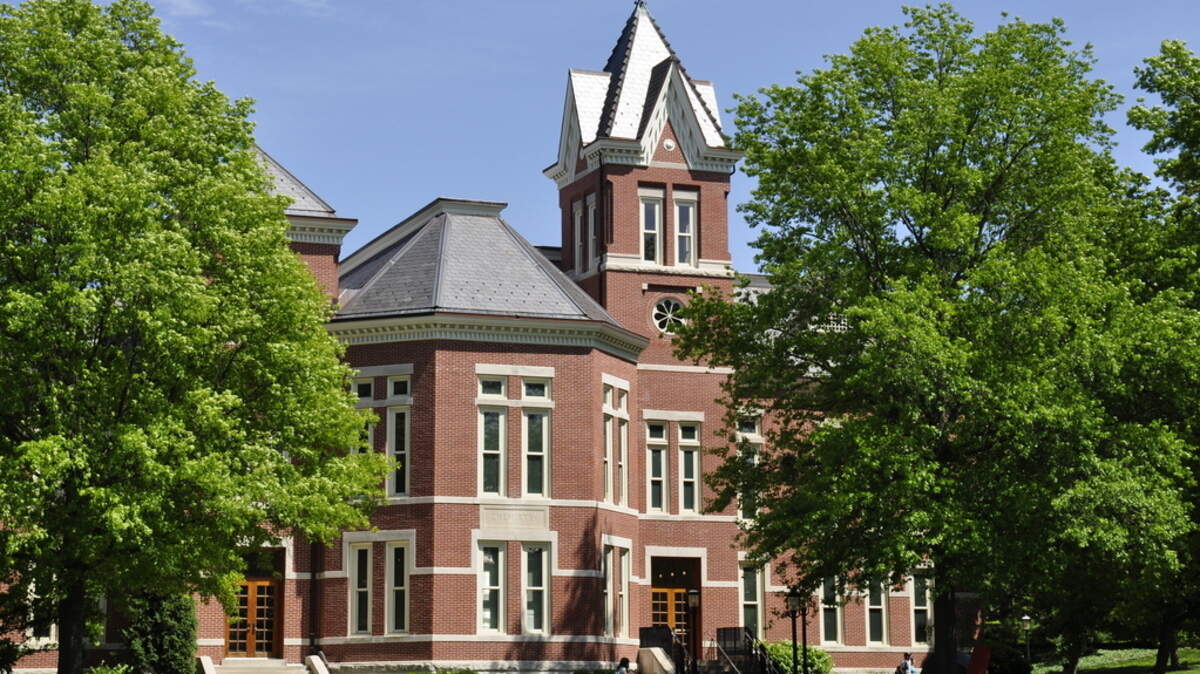
The University of Missouri will tear down a 127-year-old landmark building on its Columbia campus because of radioactive contamination.
The university has known for decades that the basement of Pickard Hall contained residue from chemistry experiments in the early 1900s. At that time the building housed the chemistry department, which worked with radioactive materials, such as radium, for nearly 20 years.
For years the university had closed off and restricted the contaminated areas and regularly monitored them. At some point contamination spread through an antiquated duct into the building’s attic.
“This is not a decision that we have come to lightly,” Gary Ward, vice chancellor for operations, said in a statement released on Thursday. He said the university determined “that there was no other alternative.”
Over the last 10 years MU spent nearly $100,000 looking for other ways to deal with the contamination and save the building. Among the options considered were eradicating the radiation residue and renovating the building. But demolition was the most cost efficient, at $12 million.
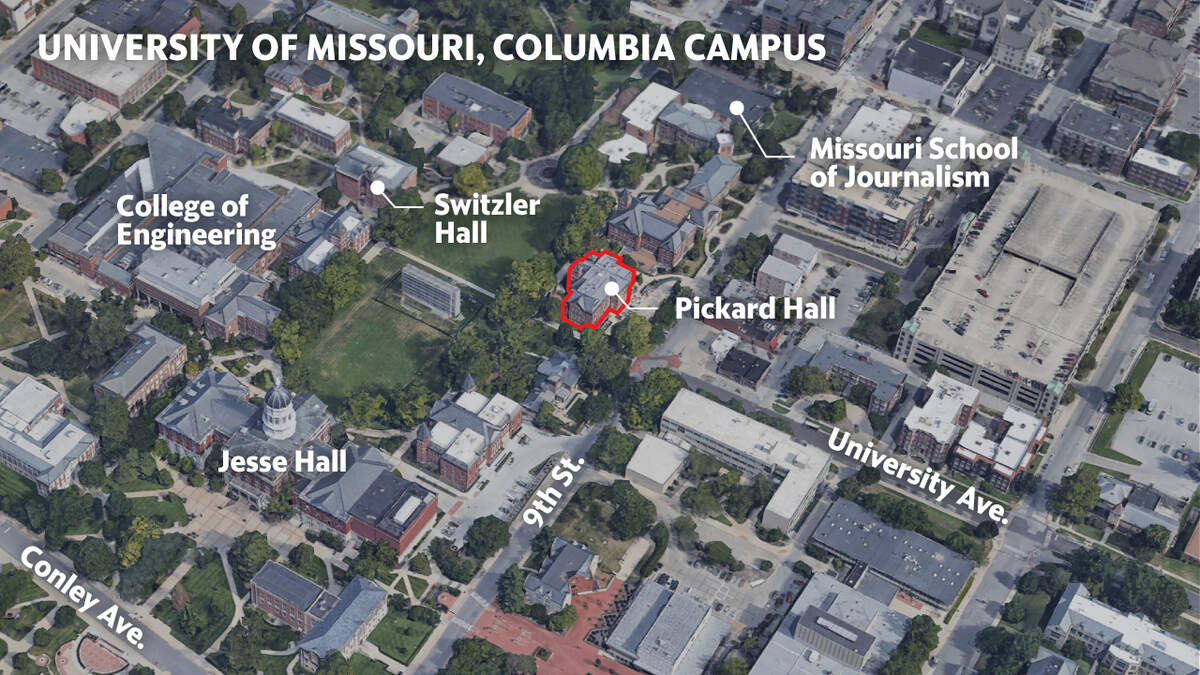
After the university discovered the contamination, the situation was regulated by the Missouri Department of Natural Resources. Restricting access to the affected areas allowed the university to keep the rest of the building in use. For more than 30 years, visitors strolled through the university’s Museum of Art History and Archeology, which opened in Pickard in 1976.
Environmental regulations evolved as scientists knew more about handling these radioactive materials. In 2009, oversight shifted from the state to the U.S. Nuclear Regulatory Commission, which ordered the university to clean up Pickard Hall. Because that was hard to do while people in the building, by 2013 the university closed it down and relocated the museum to Mizzou North on Business Loop 70 West.
Last week, university officials submitted a final demolition plan for the commission to approve. Then the university will have nearly two years to tear the building down
University leaders, in Thursday’s statement, spoke fondly of the building, which sits on the campus’s iconic Francis Quadrangle along with the historic columns from the destroyed Academic Hall. Three of the oldest standing buildings on MU’s campus, including the chancellor’s residence, Switzler Hall, are on the quad.
Pickard was built in 1892 for a little more than $33,400. In 1999 the university paid $1.5 million for renovations.
“Pickard Hall is one of those buildings that represents the strength and beauty of the University of Missouri,” Ward said.
“This is certainly a tough position for us,” said Hank Stelzer, associate professor of forestry extension and chair of the Campus Facilities Planning Committee. “The building is a key component of the Francis Quadrangle.”
Chancellor Alexander N. Cartwright said that the university is “committed to maintaining the historic nature of the quadrangle, now and in the future,” and that a new building will be constructed keeping with the historic look of Pickard Hall.
This story was originally published November 14, 2019 at 3:51 PM.