3 Kansans are being monitored for hantavirus. Here’s what we know
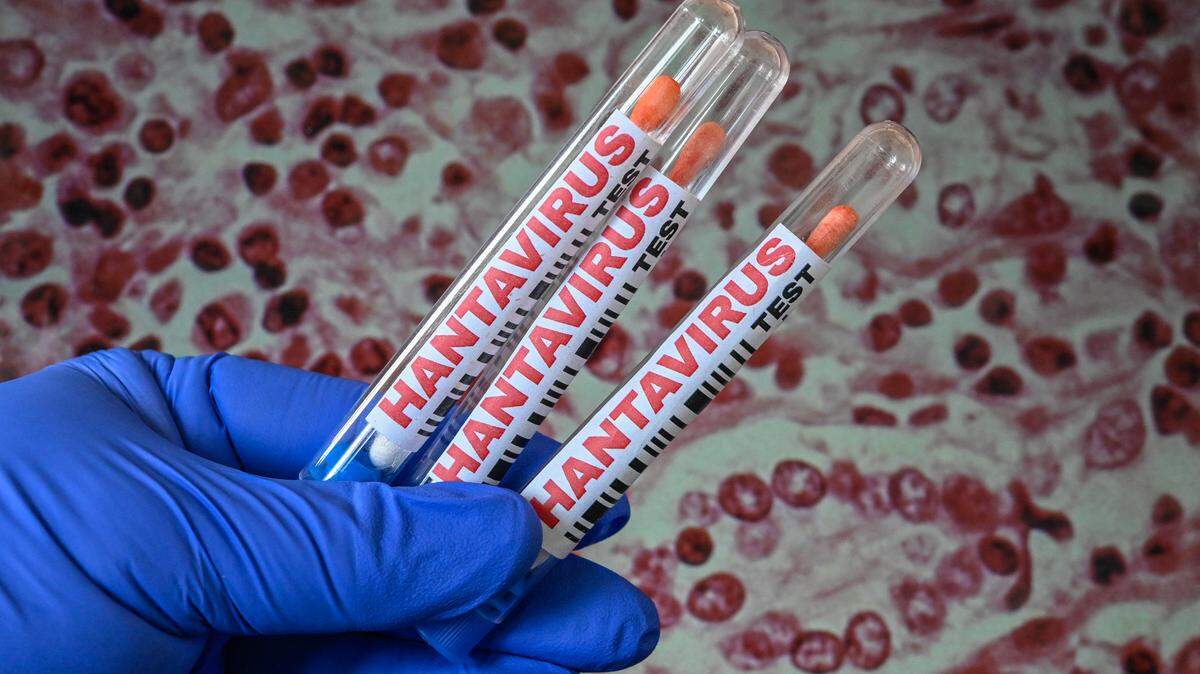
Three people are being monitored by the Kansas Department of Health and Environment after they were exposed to a person with the Andes hantavirus.
KDHE said it is working alongside the Centers for Disease Control and Prevention and the local health department in monitoring the three.
The exposure occurred internationally after the three came in contact with an individual who was on the MV Hondius cruise ship, who later tested positive for the Andes hantavirus. The three individuals are all from Kansas and were not aboard the cruise ship, and they are not experiencing symptoms.
The cruise ship had 122 guests and crews, according to CNN. All passengers were evacuated from the ship, where they were either sent to their home countries or the Netherlands. Several passengers stayed in the Netherlands before returning home.
It was reported prior to May 11 that 18 people who returned from the cruise ship were being monitored at medical units. That included 16 people in Nebraska and two in Atlanta.
Health officials confirmed that three people who were on the cruise ship have died. There is currently no suspected or confirmed cases of the hantavirus in Kansas.
What is Andes virus?
Andes virus is a type of hantavirus that is spread by rodents in South America and, less commonly, by other infected people, according to the CDC. The virus can cause a severe respiratory disease in people called Hantavirus Pulmonary Syndrome.
Andes virus is the only hantavirus that can spread person-to-person. The spread can happen through direct physical contact, prolonged time spent in close or enclosed spaces and exposure to the sick person’s body fluids.
The following are symptoms of the Andes hantavirus:
- Fatigue
- Fever
- Muscle aches, especially in the large muscle groups like the thighs, hips, back and sometimes shoulders
- Headaches
- Dizziness
- Chills
- Abdominal problems, like nausea, vomiting, diarrhea and abdominal pain
Is Kansas at risk of an outbreak?
KDHE says that the risk to the public for the Andes hantavirus is “extremely low.” They will provide more updates to the public when necessary.
KDHE declined to comment about where in Kansas the three people being monitored were.
This story was originally published May 12, 2026 at 5:19 PM.