Kansas health officials issue ‘high-risk’ West Nile virus warning with 3 deaths in 2023
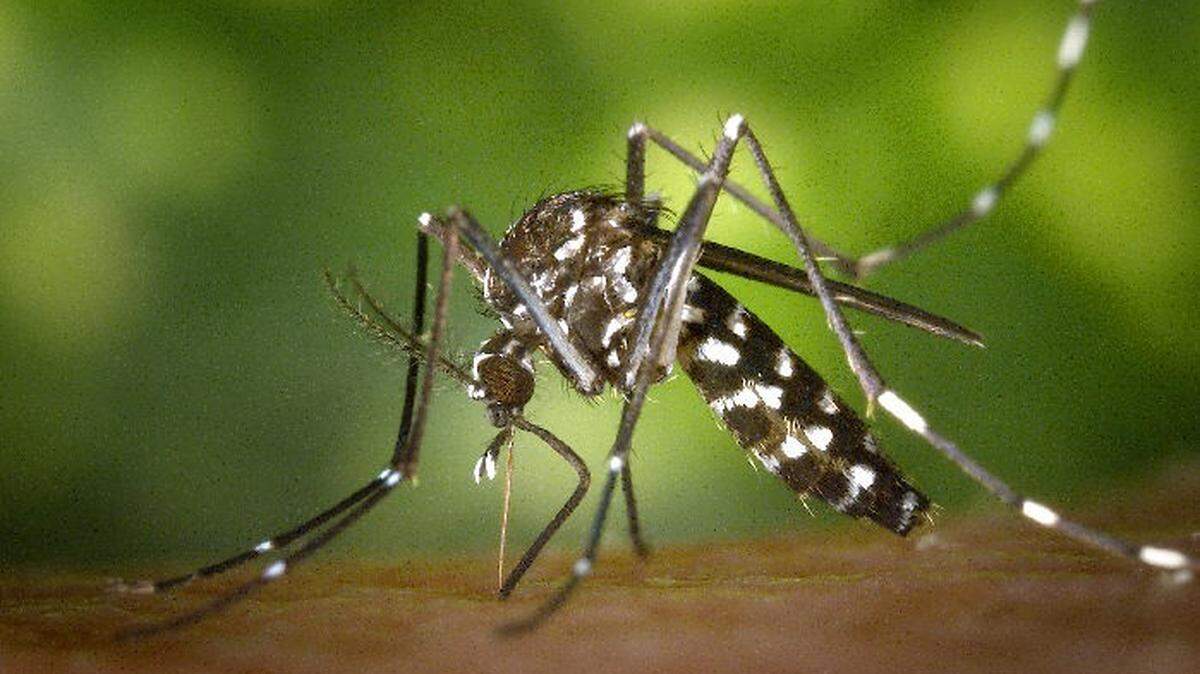
The Kansas Department of Health and Environment this week warned residents across the state about increased risk of infection by the West Nile virus.
Residents should be on the lookout for mosquitoes, which carry the virus and can infect humans and other species like horses and birds. The health department said most infections happen in the late summer and early fall.
The state health department said 22 human cases of the virus have been reported in Kansas this year, including three deaths.
The Kansas Department of Agriculture has also confirmed seven cases of the virus in horses in Barber, Butler, Douglas, Ford and Pratt counties.
Officials issued high-risk warnings for all regions of the state, except for the southeast region, where residents are at a moderate risk.
In one notable local case, Chiefs radio broadcaster Art Hains returned to call games during the 2023 preseason after contracting West Nile virus in September 2022. The virus caused Hains’ health to deteriorate, and he was airlifted to the University of Kansas Medical Center to receive care.
A report from the Springfield News-Leader noted that Hains had paralysis in his body that “extended from head to toe” at one point.
What is West Nile virus?
The West Nile virus causes an illness with flu-like symptoms. Those can include fever, headache, muscle and joint aches, nausea and fatigue.
It’s the most common mosquito-borne disease in the United States. The virus does not spread from person to person, according to the U.S. Centers for Disease Control and Prevention.
Around one in five people who are infected develop a fever and other fever-related symptoms, and about one out of 150 infected people develop swelling of the brain or brain tissue. In extreme cases, the virus can be fatal. There is no vaccine or medication to treat the virus, but if you’ve had it before, you’re immune to it.
How does Kansas determine the risk of West Nile virus?
The Kansas health department determines the risk level based on the temperature — mosquitoes breed more in hot weather — the number of mosquitoes in the area and the number of people infected with West Nile virus.
“We’re right in the middle of our peak timeframe for WNV transmission here in Kansas, and with more widespread virus activity this year than in the previous several years, it’s important to take mosquito bite prevention measures to protect yourself, your family, and livestock against all mosquito-borne illnesses,” Dr. Erin Petro, state public health veterinarian, said in a written statement.
How do I stay safe from West Nile virus?
The Kansas health department recommends the following prevention measures:
If you go outside, use insect repellent. Officials recommend using a repellent with an EPA-registered active ingredient on skin and clothing, which includes DEET, picaridin or lemon or eucalyptus oil.
Mosquitoes are most active at dusk and dawn hours, so keep the insect repellent on you during these hours. People with weakened immune systems should consider limiting how long they’re outside during these times.
Make sure you have good screens on your windows and doors to keep mosquitoes out.
Get rid of mosquito breeding sites by emptying standing water from flower pots, buckets, barrels and pet dishes that are left outside. You should also replace the water in your bird baths once a week if you have one.
Drain the water out of your swinging tire holes by drilling holes in them.
If they’re not in use, keep kiddie pools empty and on their sides.
Be sure to check the Kansas Department of Health and Environment’s West Nile virus tracker to learn about your community’s current risk level.