Shooting fish in a barrel? Not in Kansas you’re not. See state fishing regulations
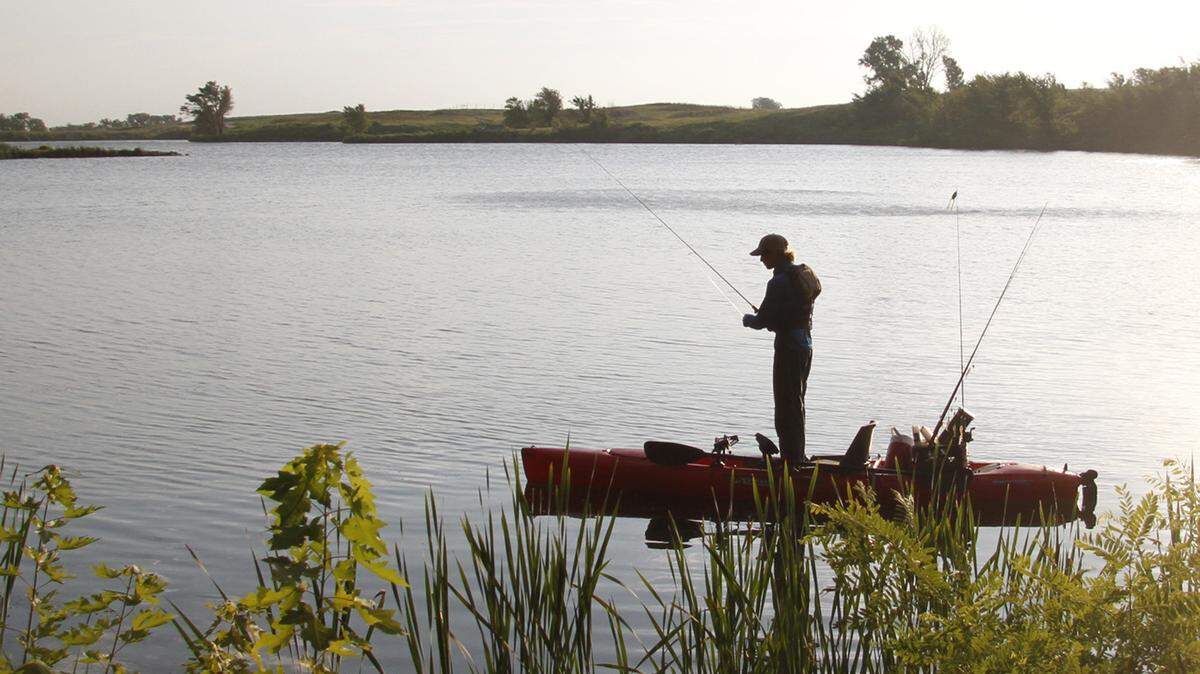
With more than 100 location options in south-central Kansas, fishing could be on your summer to-do list.
In April, a Topeka resident broke the record for largest crappie, measuring 18 inches long and weighing 4.07 pounds. This broke the 1964 record of 17.5 inches long and 4.01 pounds. Another record was broken in June, when a Topeka man fishing on Clinton Reservoir caught a nearly 65-pound smallmouth buffalo, breaking the previous record set in 1979.
Not only have records been broken, but fishing regulations have, too. In May, a 9mm handgun was seized after it was used to fish in Garden City. The Kansas Department of Wildlife and Parks made a Facebook post reminding fishers the practice was illegal.
“Shooting at a body of water can be a dangerous activity because bullets can ricochet off the surface of the water,” the Facebook post reads.
While that law may seem obvious, there are other rules fishers may not know about. We’ve rounded up some regulations to know before you head out on the water in Kansas, including a top tip from wildlife officials: check for location-specific rules.
“They need to check the rules for where they’re going to go fishing at because the limits ... can be different for each body of water,” KDWP Capt. Larry Hastings told the Eagle.
Do I need a fishing license to cast a line in Kansas?
Yes, in Kansas you need a license to fish if you don’t qualify for age-related exemptions. If you’re younger than 16 or older then 74, you don’t need a license to fish.
For those between the ages of 16 to 74, there are multiple options for fishing licenses. Anyone ages 16 to 20 can get a youth fishing license for $42.50 that lasts for multiple years, expiring Dec. 31 the year they turn 21. For an additional $30, you can purchase one that includes hunting, as well.
The standard fishing license for Kansas residents costs $27.50 and lasts for 365 days. For $20 more, you can change include hunting. Those ages 65 to 74 can purchase an annual fishing license for a reduced cost of $15.
Here’s a look at the types of fishing licenses in Kansas and how much they cost, from the Kansas Department of Wildlife and Parks:
- Lifetime Senior Resident Hunt/Fish Combination: $42.50
- Senior resident combination hunt/fish: $25.00
- Resident one-day fishing license: $6
- Five-year resident fish license: $102.50
- Resident lifetime fishing license: $502.50
- Resident lifetime fishing/hunting license: $962.50
- Nonresident fishing: $52.50
- Non resident combination hunting/fishing: $137.50
- Nonresident five-day fishing: $27.50
- Nonresident one-day fishing: $10
There are other additional licenses for more specific fishing, like the trout permit, paddlefish permit, hand-fishing permit and the bass pass.
You can purchase a license online, from any of KDWP’s licensed agents, by visiting a KDWP office or by calling 1-833-587-2164. The Wichita Region 3 office is at 6232 E. 29th St. North, Wichita, KS 67220.
Can I fish on private property without a license?
There are some instances where you can fish without a license on private property. All landowners, tenets and immediate family members living on the land are not required to hold a fishing license for any waters on the property.
Anyone else has to purchase to fish the following waterways:
- A stream or river going into or out of an impoundment.
- You are a guest fishing in the water on someone else’s land.
- The department has leased the impoundment from the pond owner as part of the state Fishing Impoundments and Stream Habitats program.
- Within the last decade, the body of water has been stocked by the state.
What are the fines for fishing without a license in Kansas?
Fishing without a license in Kansas is a class C misdemeanor. The fines are determined by a judge, but they can reach up to $1,000, Hastings said.
Where can I fish in south-central Kansas?
There are four reservoirs with several fishing locations in south-central Kansas: Cheney (about 40 minutes from Wichita), Council Grove (about an hour and a half from Wichita), El Dorado (about 40 minutes from Wichita) and Marion (about an hour from Wichita).
Fishing reports and regulations for each of the Kansas fishing locations can be found on the department’s website. The full list of Kansas fishing regulations for 2023 can also be found in PDF form online.
This story was originally published July 11, 2023 at 1:36 PM with the headline "Shooting fish in a barrel? Not in Kansas you’re not. See state fishing regulations."