Kansas foster care mediation stalls; class-action lawsuit now continues in court
After more than two months of mediation, negotiations in a Kansas class-action foster care lawsuit have broken down and the case will now continue in federal court.
The Department for Children and Families released a statement Monday on the impasse, expressing disappointment and saying it takes time to turn a troubled system around. The two sides have been in mediation since mid-December in an effort to address issues spelled out in the lawsuit.
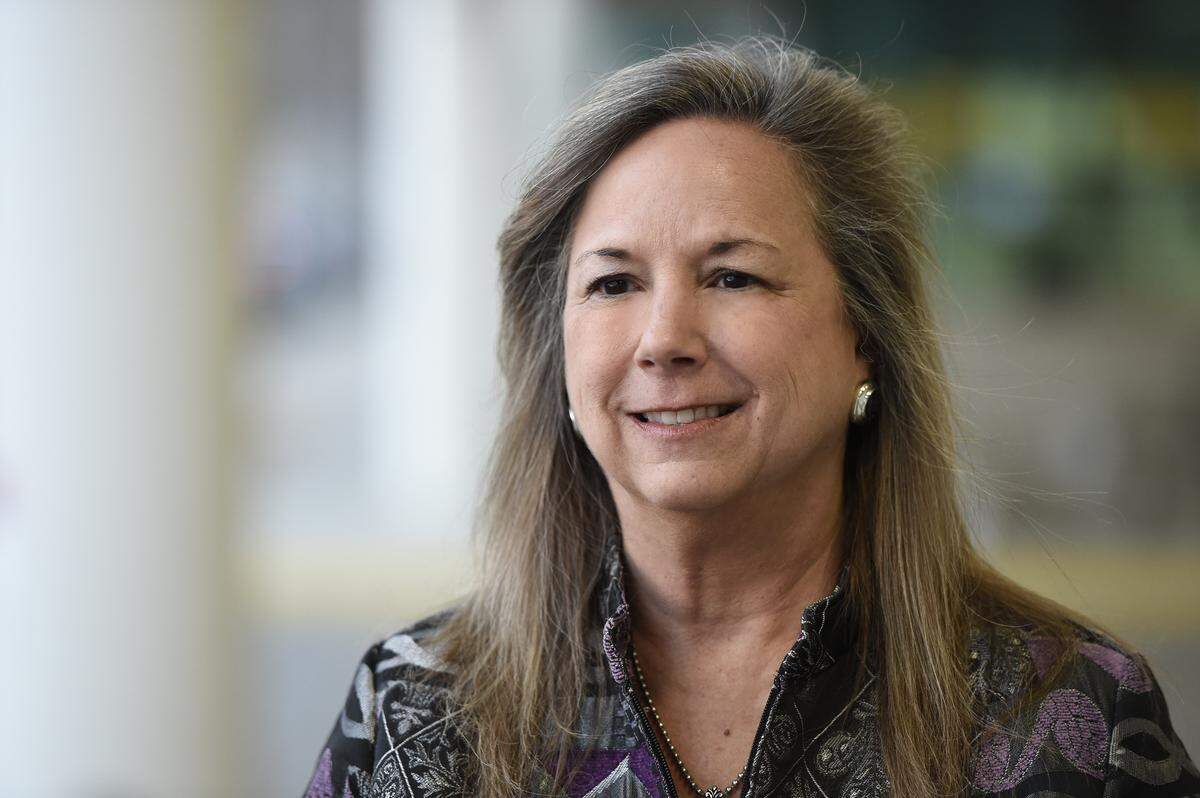
“Child welfare experts tell me it commonly takes three years before a large child welfare system shows significant improvements after years of neglect,” said DCF Secretary Laura Howard. “I don’t see it that way. I’m hopeful that Kansas can buck that trend, but I am also realistic and know that we must be patient and give these reforms time to take hold.”
Kansas Appleseed, one of the groups filing the case on behalf of foster children, said the plaintiffs were “very disappointed that the settlement talks stalled and that the mediator needed to declare an impasse.”
“While the content of our attempted settlement negotiations remain confidential, Plaintiffs openly filed this litigation to address long-known structural failures in the foster care system that were putting thousands of kids at grave risk of harm every day,” Kansas Appleseed said in a statement on Monday. “Unfortunately, the core problems of extreme housing instability, which often amounts to state-sponsored homelessness, alongside the dire lack of mental health screening and services continue to harm foster children each and every day.”
While the plaintiffs are open to resuming settlement discussions if possible, the statement said, they will proceed with discovery and trial if necessary.
“The fact-finding will provide an even deeper understanding of the existing problems and how they are harming children so gravely,” it said.
The breakdown comes two weeks after attorneys representing Kansas foster kids alleged that Gov. Laura Kelly was turning her back on the very children she for years has vowed to help and protect. Kelly’s attorneys filed a motion in October asking the court to dismiss her from the lawsuit, arguing that the governor is not responsible for regulating the system that cares for Kansas’ most vulnerable children.
Attorneys for the foster children filed a motion on Feb. 13 saying that Kelly’s attempt to exit the lawsuit contradicted her previous work as one of the state’s most vocal child advocates.
The governor’s request also went against the actions she’d taken as governor in making decisions about how the child welfare system operates, the motion said. And, attorneys said, she shouldn’t be allowed to leave the case now.
Kelly’s office said it was routine to ask the court to dismiss a governor in lawsuits that involve other state agencies. The request, her office said, was to ensure that the “appropriate parties are engaged.”
The lawsuit, filed in November 2018 on behalf of 10 children, alleges that foster youth have been treated so poorly that they’ve suffered mentally or run away from foster homes. In some cases, the suit says, they have been trafficked for sex, sexually abused inside adoptive homes or, in one instance, sexually assaulted inside a child welfare office.
The lawsuit names as defendants Kelly; Lee A. Norman, secretary of the Kansas Department of Health and Environment; and Howard in her capacity as secretary of both the Department for Children and Families and the Kansas Department for Aging and Disability Services.
Last fall, those filing the suit — including Kansas Appleseed, Children’s Rights, The National Center for Youth Law and local attorney Lori Burns-Bucklew — amended it to add four children. Some children had been removed because they had aged out or were no longer in state care.
At that time, attorneys said that the foster children were still being moved multiple times and subjected to night-to-night placements, which they said causes more instability and trauma.
Howard on Monday said the state was working diligently to address issues raised in the lawsuit.
“A close examination of some of our most important indicators shows that in the last year we’ve made significant progress in slowing the number of foster youth who run away or are forced to sleep in offices,” she said. “At the same time through implementation of new practice models we are already seeing a modest reduction in the number of children who come into the system.”
In the spring of 2019, Howard said, DCF took steps to expand its special response team tasked with finding youth who have run away from their placements and identify the underlying reasons why they run. The 10-member team is made up of DCF and contractor employees.
The results have been promising, Howard said, with a decrease in the daily pace of youth on the run from 94 to about 50.
“I hear stories every day on how our special response team is having a positive impact on the lives of foster children,” Howard said. “They are helping these youth get into substance use treatment, find jobs and make important connections with family members.”
DCF also has implemented a model in its Kansas City and East regions that creates a stronger connection to community services and focuses on preventing the need for out-of-home placement, Howard said.
In the Kansas City region, which includes Wyandotte and Johnson counties, she said, there was a 7% decrease in the number of children who entered foster care from 2018 to 2019. And in the East region, which covers 25 counties in the eastern part of the state, Howard said the percent of children who entered foster care dropped by nearly 6% in calendar year 2019 compared to 2018.
Howard said DCF also has made advances in addressing the need for intensive treatment. Since July, she said, the agency has worked with its community partners to increase the number of psychiatric residential treatment facility beds by 54. As a result, she said, the number on the waiting list has decreased by more than 80.
Kansas is one of nearly three dozen states that have faced lawsuits since the 1980s asserting that they were further harming children they were supposed to protect. The Star recently reviewed four decades of lawsuits as part of an investigation into long-term outcomes for foster children across the nation and found some states are being sued today for the same issues that plagued other systems 15 to 20 years ago.
Kansas’ child welfare system has been under fire for more than three years, and Howard is the third leader in that time. When Kelly became governor, advocates and lawmakers across the state had high hopes — because of her pledge during her campaign to make fixing the troubled child welfare system a top priority — that change would come quickly. They say that hasn’t happened.
Howard said Monday that she remains committed to fixing the state’s child welfare system.
“I won’t rest until the work is done, Kansas families are thriving, and we can focus solely on caring for our state’s vulnerable children without dealing with expensive lawsuits,” she said.
This story was originally published March 3, 2020 at 5:00 AM.