KC wants voters to extend sales tax for East Side redevelopment. What to know
AI-generated summary reviewed by our newsroom.
- Kansas City asks voters in the Aug. 4 primary to extend the Central City sales tax.
- The one‑eighth cent sales tax approved in 2017 is set to expire in September 2027.
- CCED sales tax funding has supported more than 60 projects and over 1,200 housing units.
Kansas City is asking voters to extend the Central City Economic Development sales tax that is used to fund redevelopment projects in the city’s East Side.
The citywide sales tax supports economic development projects specifically between Ninth Street and Gregory Boulevard to the north and south, and Indiana Avenue and The Paseo to the east and west.
Kansas City voters will be asked to authorize the extension during the primary election. A simple majority is required for passage. The proposal also joins four bond initiatives the city put on the Aug. 4 ballot.
The current one-eighth cent sales tax that voters approved in 2017 is set to expire in September 2027. The proposal would extend the sales tax for another 10 years.
Deputy Finance Director William Choi said in May that the tax generated around $13.5 million in 2025 and about $100 million since it was created.
The sales tax has been used to fund dozens of development projects, with the vast majority of them including affordable housing units. It also supported commercial development, including some of the renovation projects in the historic 18th & Vine Jazz District.
Here’s what to know about your vote and how the city uses the Central City Economic Development sales tax.
Ballot language
The bond question will appear on the ballot as Question 3.
Question 3: Shall the City of Kansas City be authorized to renew a sales tax authorized by Section 67.1305 of the Revised Statutes of Missouri for a period of 10 years at a rate of 1/8% to be used for funding economic development projects within the area bounded by 9th Street on the north; Gregory Boulevard on the south; The Paseo on the west; and Indiana Avenue on the east, which may include the retirement of debt under previously authorized bonded indebtedness or to repay bonds not yet issued?
This sales tax would continue the existing sales tax authorized by Section 67.1305 of the Revised Statutes of Missouri and scheduled to expire on September 30, 2027.
What a yes vote would mean
A ‘yes’ vote would support extending the citywide sales tax for another 10 years, until 2037. It would not add any new increases to the current sales tax.
What a no vote would mean
A ‘no’ vote would reject extending the sales tax, letting it expire in September 2027. The sales tax would no longer generate revenue specifically slated for development projects in the city’s East Side and would slightly lower citywide sales taxes.
Program history
Voters approved the original one-eighth cent sales tax in 2017.
The Economic Development Corporation of Kansas City, which oversees the program, says the funding is targeted for projects that focus on removing blight, creating affordable housing, rehabilitating community facilities and supporting business growth in the district.
Tracey Lewis, EDC President and CEO, said last year that the funding is used for community-based redevelopment that helps create new jobs in a historically underserved area.
“These investments directly support the kind of development our community deserves,” Lewis said. “Projects that create jobs, deliver new housing, expand local businesses, and reinforce the cultural and economic vibrancy of our central city neighborhoods.”
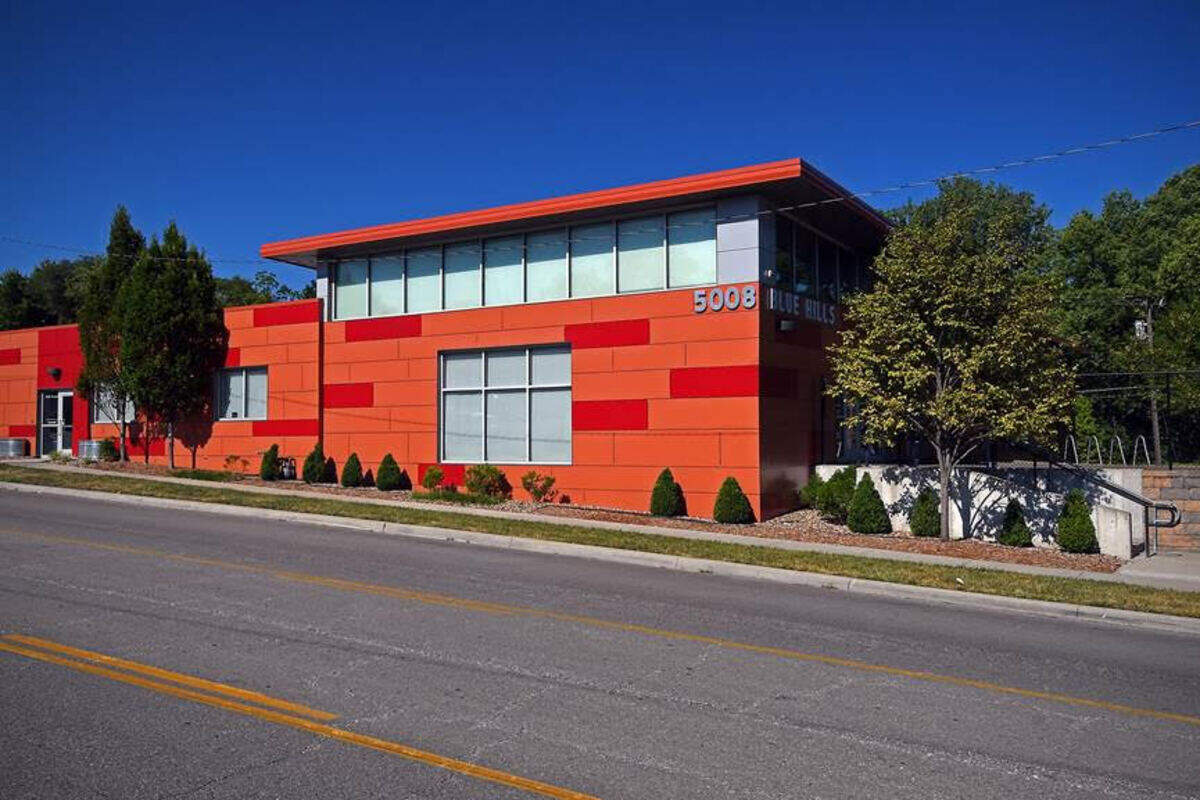
So far, the funding has been used to support more than 60 projects, mostly focused on affordable and transitional housing development in the East Side district. As of July 1, the CCED sales tax has helped create more than 1,200 affordable housing units, according to the city’s housing dashboard.
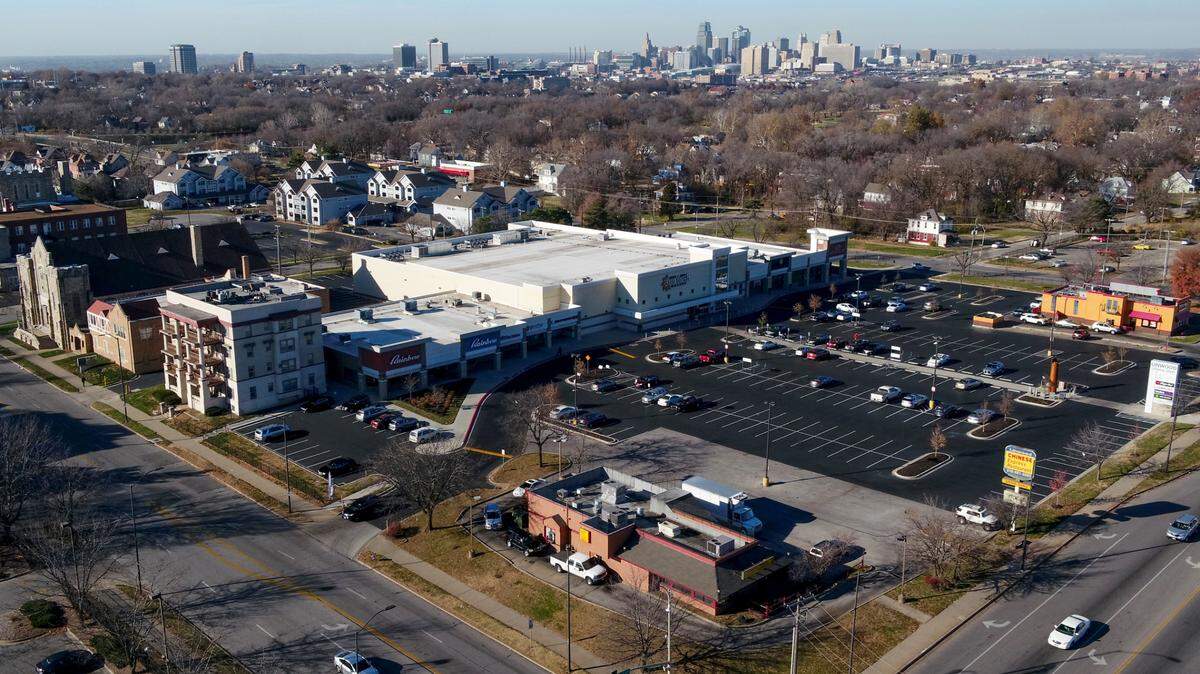
The funding has also been used toward commercial development projects, like childcare centers and office spaces. Some of those projects include the redevelopment of the Linwood Shopping Center and early-learning center KD Academy, both on Prospect Avenue.
Third District At-Large Council member Melissa Patterson Hazley, who represents parts of the CCED district, praised the program last year when it awarded $19 million to 15 projects.
“This funding is not just about buildings — it’s about people, families, and neighborhoods,” Patterson Hazley said. “These projects represent real, tangible steps toward more equitable development.”