More people, especially women, have registered to vote in KC since abortion ruling
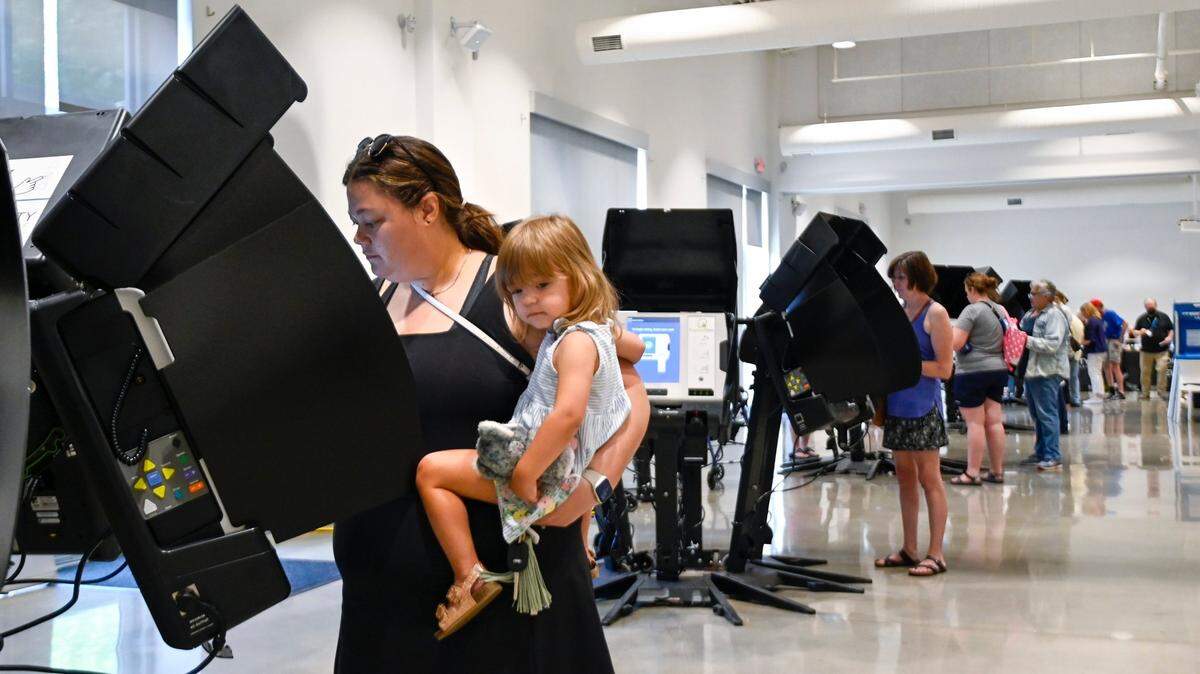
Voter registrations have increased around Kansas City in the months following the Supreme Court decision overturning the federal right to abortion earlier this summer.
Data obtained by The Star shows that registrations in Kansas and Missouri in the months since the ruling are higher in all the counties in the metro than they were during the same period in 2018, the last midterm election year. The only jurisdiction with a lower number of registrations was the part of Kansas City covered by the Kansas City Election Board.
Data from Kansas also suggests that the people who have registered to vote since the abortion decision this year have been disproportionately women. One local expert noted that this trend is in line with nationwide patterns.
“One thing I have noticed (while) following registration trends is that… the data look like there’s increased registration, particularly among younger people and especially younger women,” Patrick Miller, a political scientist at the University of Kansas, told The Star.
While it’s not clear what higher registration numbers mean about voters’ intentions, Miller added that anger over the status quo is a significant political motivator.
“A big unknown is really what the effect of the anger over the Dobbs ruling is going to be,” he said. “It’s a difficult situation to gauge because… we don’t have a good recent template (for) when the Supreme Court took away a popular right. I can’t think of the last time that it happened.”
How much higher are registration numbers around Kansas City?
In the Kansas City area, voter registrations after the Dobbs ruling increased by about 36% on the Missouri side and about 38% on the Kansas side compared to the same time period in 2018.
The Star took a look at voter registrations in Missouri and Kansas during the period between June 24 – the day of the Dobbs decision – and the most recent registrations available. These fell on Sept. 30 in Missouri and Oct. 7 in Kansas. Here’s how they compare to registrations during that same period in 2018:
Missouri
Jackson County: 19.5% increase
5,622 registrations in 2018 between June 24 and Sept. 30
6,716 registrations in 2022 between June 24 and Sept. 30
Platte County: 16.4% increase
2,184 registrations in 2018 between June 24 and Sept. 30
2,542 registrations in 2022 between June 24 and Sept. 30
Clay County: 4.8% increase
4,366 registrations in 2018 between June 24 and Sept. 30
4,575 registrations in 2022 between June 24 and Sept. 30
Kansas City Election Board: 11.2% decrease
6,869 registrations in 2018 between June 24 and Sept. 30
6,103 registrations in 2022 between June 24 and Sept. 30
Kansas
Wyandotte County: 43.4% increase
2,562 registrations in 2018 between June 24 and Oct. 7
3,648 registrations in 2022 between June 24 and Oct. 7
Johnson County: 36.5% increase
11,614 registrations in 2018 between June 24 and Oct. 7
15,848 registrations in 2022 between June 24 and Oct. 7
While Miller predicts that many of these new registrants are likely to show up to the polls on Nov. 8, he added that the higher overall turnout during general elections may dilute their impact on outcomes in Missouri and Kansas.
“You’re going to have a broader chunk of the electorate turning out that maybe isn’t thinking much about abortion,” he said. “(Some analysts) think we’re now past the worst of the anger from the Dobbs ruling… That may or may not be true, but we’re going to find out soon enough.”
What’s the gender breakdown of new registrants?
While Missouri does not provide data related to the gender of voter registrants, Kansas voter records show that around 55% of new Johnson County registrants are women, while around 57% of new Wyandotte County registrants are women.
A 2022 community survey of Johnson County residents showed an “even split” of 50% men and 50% women. U.S. Census data shows the female population of Wyandotte County as being 50.0% of the total population. These figures suggest that recent registrants in both counties are disproportionately female.
In Kansas, there’s still time to register to vote– the deadline is October 18. You can register online if you have a Kansas driver’s license or non-driving ID card. If you don’t have one, you can print and mail a paper registration application. The addresses of each county’s election office are listed on the second page.
If you prefer to register in person, you can visit one of the many registration sites in your county — here’s the list for Johnson County and the list for Wyandotte County.
Do you have more questions about participating in the general election on November 8? Ask the Service Journalism team at kcq@kcstar.com.
.jpg)