
President Obama will drop proposal to end 529 college savings plans
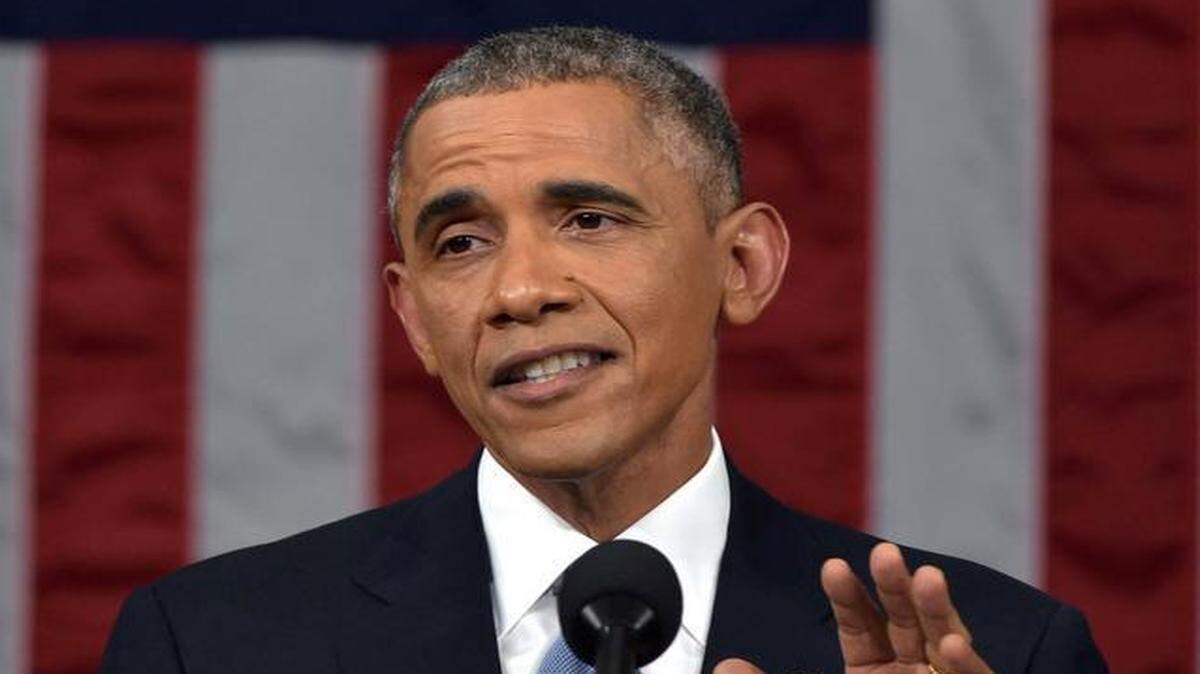
President Barack Obama will drop his proposal to tax — and in effect end — new contributions to the popular college savings accounts known as 529s, the White House said Tuesday. But he will keep an expanded tuition tax credit at the center of his college access plan.
The decision came just hours after House Speaker John Boehner of Ohio demanded that the proposal be withdrawn from the president’s budget, due out Monday, “for the sake of middle-class families.” The call for the White House to relent also came from top Democrats, including Reps. Nancy Pelosi of California, the minority leader, and Chris Van Hollen of Maryland, the ranking member of the Budget Committee.
Pelosi pressed the case to senior administration officials on Air Force One as she flew with the president from India to Saudi Arabia, according to Democratic aides familiar with the discussions.
“Given it has become such a distraction, we’re not going to ask Congress to pass the 529 provision so that they can instead focus on delivering a larger package of education tax relief that has bipartisan support, as well as the president’s broader package of tax relief for child care and working families,” a White House official said.
The official added that the president’s proposed increase in the capital gains tax rate and change to the taxation of inherited wealth would be more than enough money to fund the tax plan.
What to White House economists was a clearheaded assessment of tax fairness has proved to be a cautionary tale for politicians focusing their efforts on the shriveling middle class and trying to overhaul and simplify the tax code. The idea was to end one tax break tilted toward the wealthy and plow that billion-dollar savings over 10 years into a far larger expansion of another tuition tax credit aimed more squarely at the middle class.
But in the days since the plan was rolled out, all anyone seemed to remember of Obama’s college access plan was the proposed end to the 529 accounts’ tax benefits.
Of the roughly 7 million existing 529s, about 80 percent of the tax benefits go to households above $150,000, supporters of the original Obama proposal say, and 70 percent go to households with incomes over $200,000. That’s because the rich have the biggest plans and can salt away $14,000 a year or more without worrying about a gift tax. Investment gains can then be used for education expenses without a capital gains tax.
But according to the College Savings Foundation, a consortium of financial institutions backing 529s, measuring tax benefits tells only part of the story. Close to 10 percent of 529 account holders have incomes below $50,000, and more than 70 percent of the accounts are owned by households with incomes below $150,000.