How much sales tax will a new Royals stadium generate? KC officials won’t say just yet

When Kansas City leaders touted a plan to help fund a Royals stadium near downtown, they said sales taxes generated in and around the new stadium would help pay off bond debt for the project.
Mayor Quinton Lucas told reporters that the city has projections for how much tax revenue a new stadium could generate based on what Kauffman Stadium in the Truman Sports Complex produces now — which city officials say is roughly $5 million a year.
But he has not specified what those projections are, and city staff isn’t giving them up just yet. When asked by The Star for the information, Lucas’ office directed the question to city staff, who said the information is private because of active negotiations with Royals officials.
“At this time the City Manager is working with the Royals on terms. Once they are agreed upon, those will come back to council and go through the proper legislative process,” city spokesperson Sherae Honeycutt said in an email to The Star. “Until that time, negotiations are closed under the Sunshine Law.”
The city also declined The Star’s open records request for information related to the projections, citing state law that seals negotiated contracts until they are executed.
New Royals stadium needs to generate more tax revenue
The City Council in April approved a plan that allows the city to offer up to $600 million to help fund a $1.9 billion Royals stadium in Crown Center. The plan directs City Manager Mario Vasquez to negotiate with team officials and other government agencies to hammer out a deal that will determine how much the city will provide.
A new stadium would need to generate a lot more sales tax revenue than Kauffman Stadium to help pay off the bond. For instance, a $600 million bond over a 30-year period would likely cost the city $20 million a year just on the principal payment before adding the required interest on top.
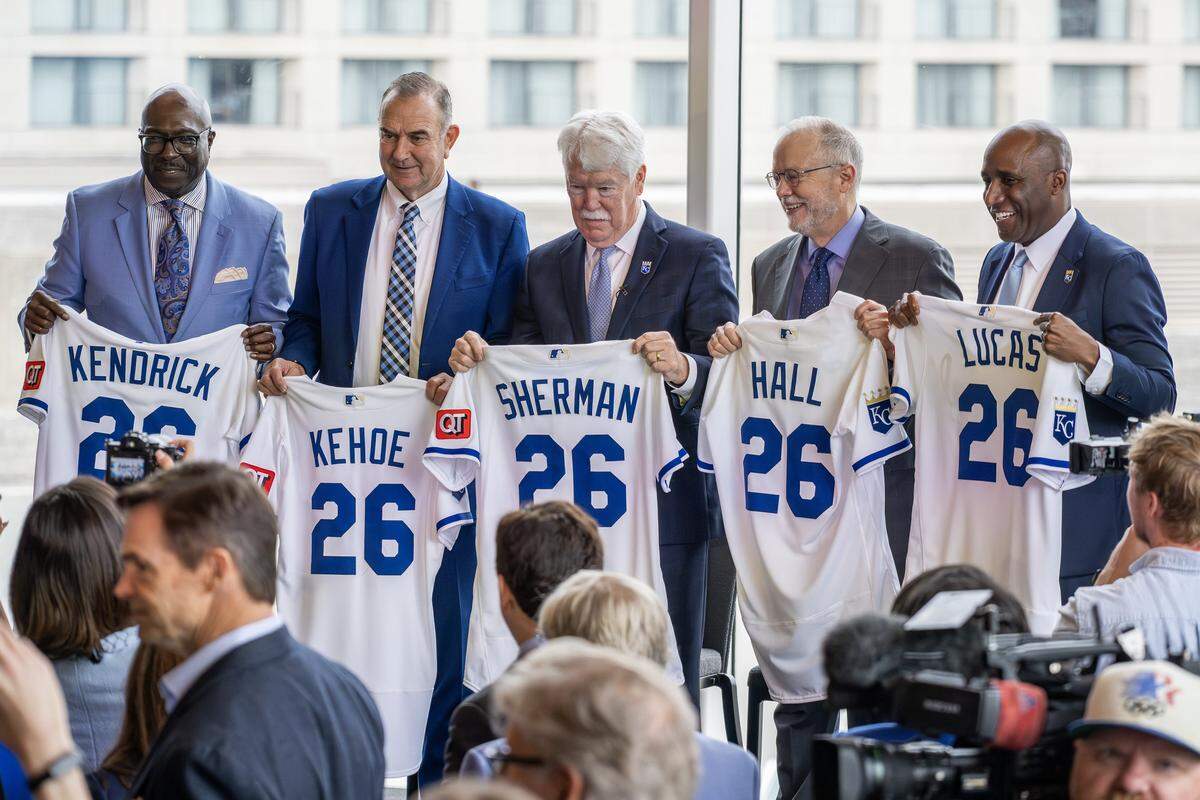
Royals Chairman and CEO John Sherman said in a press conference announcing Crown Center as the location for the stadium that construction could begin in 2027. But the City Council will need to sign off on those plans before building can commence, including how much of the sales tax revenue from the stadium will go toward paying off the city’s bond debt.
City officials say a third-party group will also conduct a financial feasibility review to help determine how much of an economic boost a new stadium would create.
Private negotiations
Lucas and Vasquez have both said newly generated sales taxes from a taxing district around the proposed stadium would primarily pay for the bonds. Lucas told reporters that Kauffman Stadium’s sales taxes were used to help project how much that might be.
“Our projections are based off of revenues that are generated at Kauffman Stadium today, and it would be based off of ancillary development in the Crown Center/Washington Square Park area,” Lucas said in April, noting the funding to pay for bonds would not come from the general fund or the city’s earning tax.
“I’m proud of the city manager and his staff and what they’re building up, and I think that’s how we can deliver a good, fiscally responsible project that is based largely on people who are spending at a baseball stadium,” Lucas added.
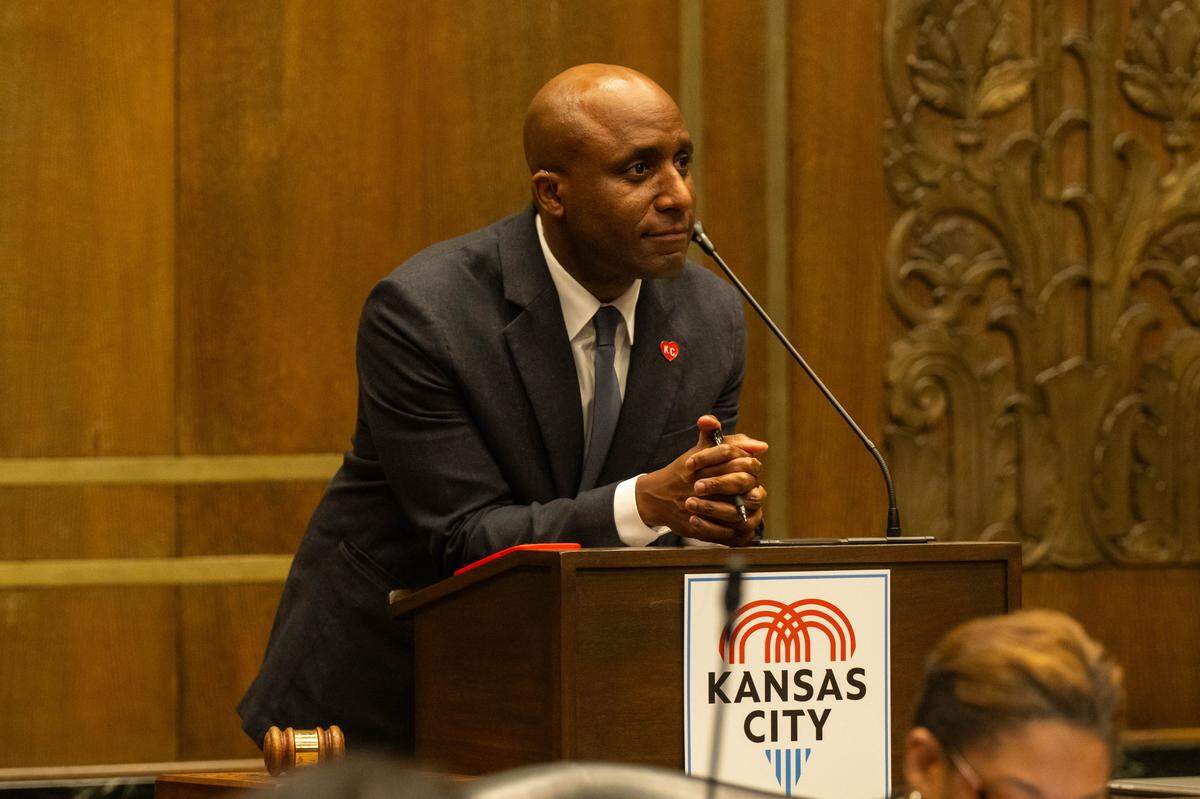
How much sales tax the stadium produces will be paramount to a successful bond project. If it produces more than the city projects, the bonds could be paid off early, saving money down the road. If it produces less, the city could be forced to cover the bond payments with its general fund dollars that are meant for core city services.
That’s a fear some have about the city offering to help keep the Royals in the city. But the public won’t get an idea of how much the city thinks a new stadium can generate until further down the road.
When asked about a possible timeline, Lucas’ office said in an emailed statement to The Star that city staff is currently working to establish final projections of estimated tax revenue.
“Like all in Kansas City and the surrounds, the Mayor looks forward to a robust review of relevant financial and development information when the shared work is complete, consistent with Missouri law,” Lucas’ office said in the statement. “All agreements will be discussed ahead at City Council.”
Kauffman Stadium taxes
One thing is for certain: a new stadium and accompanying entertainment district would need to generate more sales tax revenue than game days at Kauffman Stadium create now.
Jordan Berger, a spokesperson for the city’s finance department, said the city estimates Kauffman Stadium generates between $4.5 and $5.5 million annually. He said that figure does not include the revenue generated by the 1% earnings tax paid by visiting ballplayers nor indirect tourism revenue, like hotel taxes.
Currently, that revenue is used to fund various general fund expenditures, like public safety, mass transit, and capital improvement.
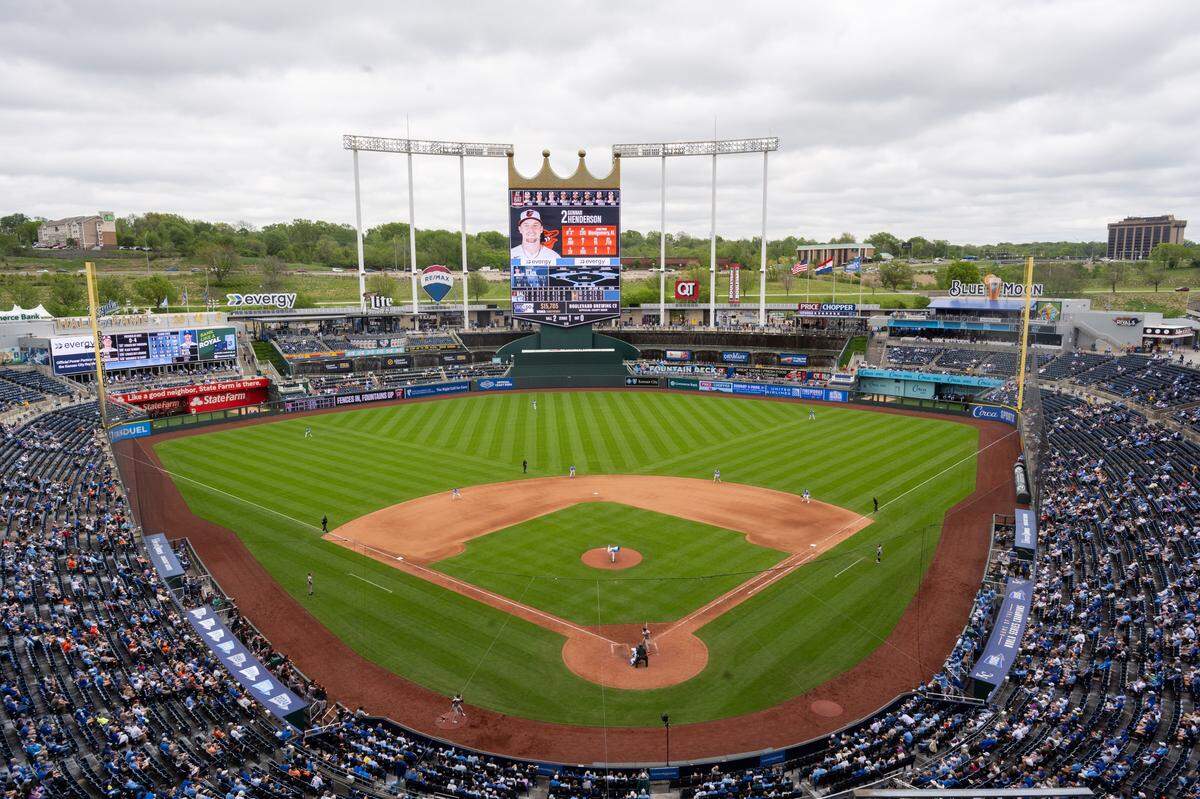
However, those taxes would likely not go toward those areas in the future. Lucas told reporters in April that baseball stadium tax funds would be redirected toward paying off the bond, meaning about $5 million of tax revenue generated at Kauffman Stadium would no longer go toward the city’s general fund.
Sales tax revenue generated by the stadium comes from fans buying things like beers and hot dogs, merchandise from team shops in the stadium and tickets for parking.
Lucas argued that those funds would have disappeared if the Royals chose to move out of the city, like how the city will lose tax revenue from the Chiefs when the NFL team moves to Kansas.
“We thought instead of just losing the Royals money and doing nothing, actually retaining the Royals, using what the Royals generate as an investment for our city … is fiscally responsible,” Lucas said. “It will continue to lead to more development activity and opportunity.”
This story was originally published June 1, 2026 at 5:00 AM.