KC proposes ‘no-tax’ bond votes for things like water and housing. What’s next?
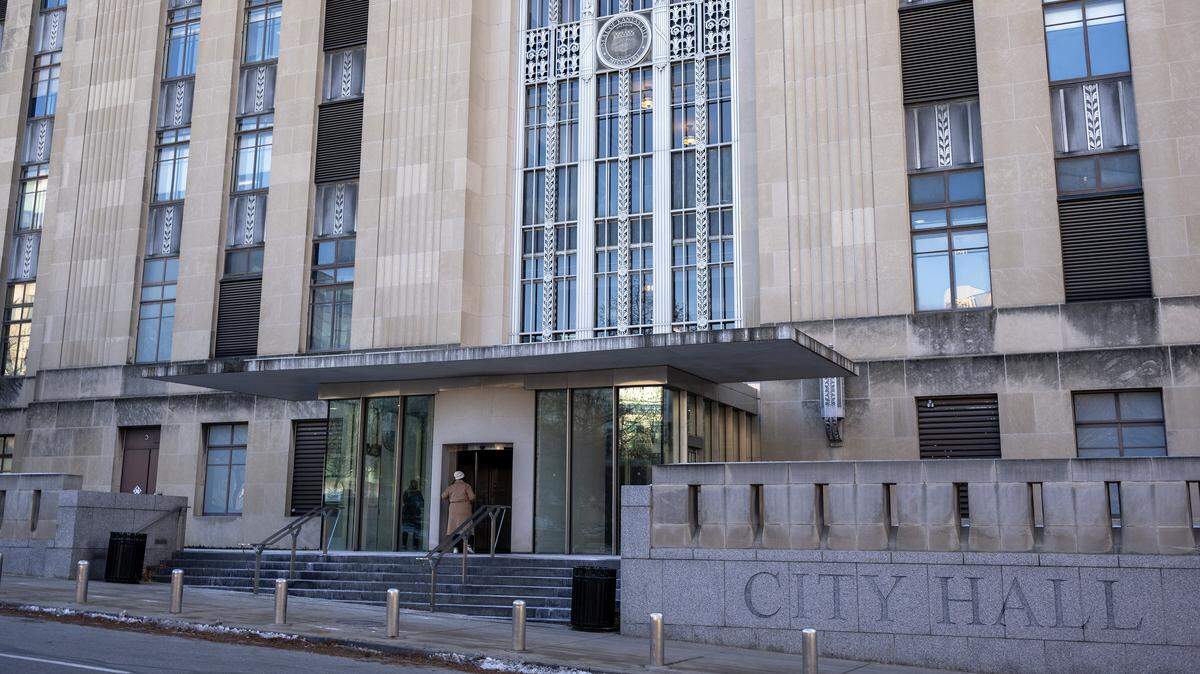
Kansas City is preparing to send ballot measures to voters for several “no-tax” bond initiatives and a sales tax extension that would fund various projects like water system improvements and affordable housing programs.
City finance officials are proposing a slew of ballot measures to issue general obligation bonds worth a total of $1.7 billion. They also proposed extending the Central City Economic Development one-eighth cent sales tax, which has generated almost $100 million of tax revenue since 2018.
They told the City Council’s Finance, Governance and Public Safety Committee on Tuesday that none of the proposals would require increasing taxes to pay off the bond debt. City Treasurer Kimberly Carter said the city would strategically issue the bonds as older financed debt is paid off.
“So it allows the city to continue making strategic capital investments without increasing their taxes and without creating pressure on our general fund,” Carter said.
The committee approved sending all five of the ballot initiatives for the full City Council to consider on Thursday. If approved by the City Council, the proposal would appear on ballots during the Aug. 4 primary election. The deadline to put the initiatives on the primary ballot is May 26.
Mayor Quinton Lucas said the city is considering multiple bond issues at the same time because of the cost of holding municipal elections. He said the city sent several measures to voters in 2022 for that reason.
Kansas City voters that year overwhelmingly approved a $750 million bond for the city’s sanitary sewer system in April and two bonds worth $175 million bond for parks and entertainment facilities and affordable housing programs in November.
Here’s how the proposed bond financing would be used:
Water and sewer
KC Water is proposing two major bond initiatives, both of which are worth $750 million, that would fund improvements for the city-owned utility company’s sanitary sewer system and for improving and extending its water system.
Hugh Wooden, a senior finance analyst for KC Water, said the bonds are the “lowest cost” financing tool for capital improvement projects, allowing to spread the cost of the projects over many years.
Wooden said the $1.5 billion of revenue is needed because KC Water has $2.9 billion worth of capital improvement project costs for both the water and sewer systems over the next five years.
If voters reject the bond initiatives, Wooden said the utility company would resort to using higher debt financing tools to cover the cost of the improvement projects, which would ultimately come at a high cost to customers.
“At which case, we would have to ask for significant rate increases above the ones we’ve been asking for year after year,” Wooden said.
Affordable housing
The city is proposing a $100 million bond to support the city’s Housing Trust Fund, which aims to create and rehabilitate affordable housing in the city and address blight by renovating vacant properties.
Housing Director Blaine Proctor said the proposed bond would allow the city to increase its annual housing subsidy funding, which would lead to more affordable housing projects.
The city estimates there is a 64,000-unit shortage of housing in the city. Proctor said a renewed bond could support more than 3,500 new affordable housing units over the next five years.
Convention and government facilities
The city is proposing another $100 million bond to finance capital improvement projects for city conventions facilities and other government buildings.
Convention & Entertainment Facilities Executive Director Kimiko Gilmore told the committee that previous bond financing has been used to make ADA-compliance upgrades, seating improvements and infrastructure support at the city’s Convention Center complex and Municipal Auditorium.
She said those projects are leading to the city attracting major conventions and sporting events that boost the local economy.
“These are not cosmetic projects,” Gilmore said. “They are core infrastructure investments that directly impact our ability to operate safely, efficiently, and competitively.”
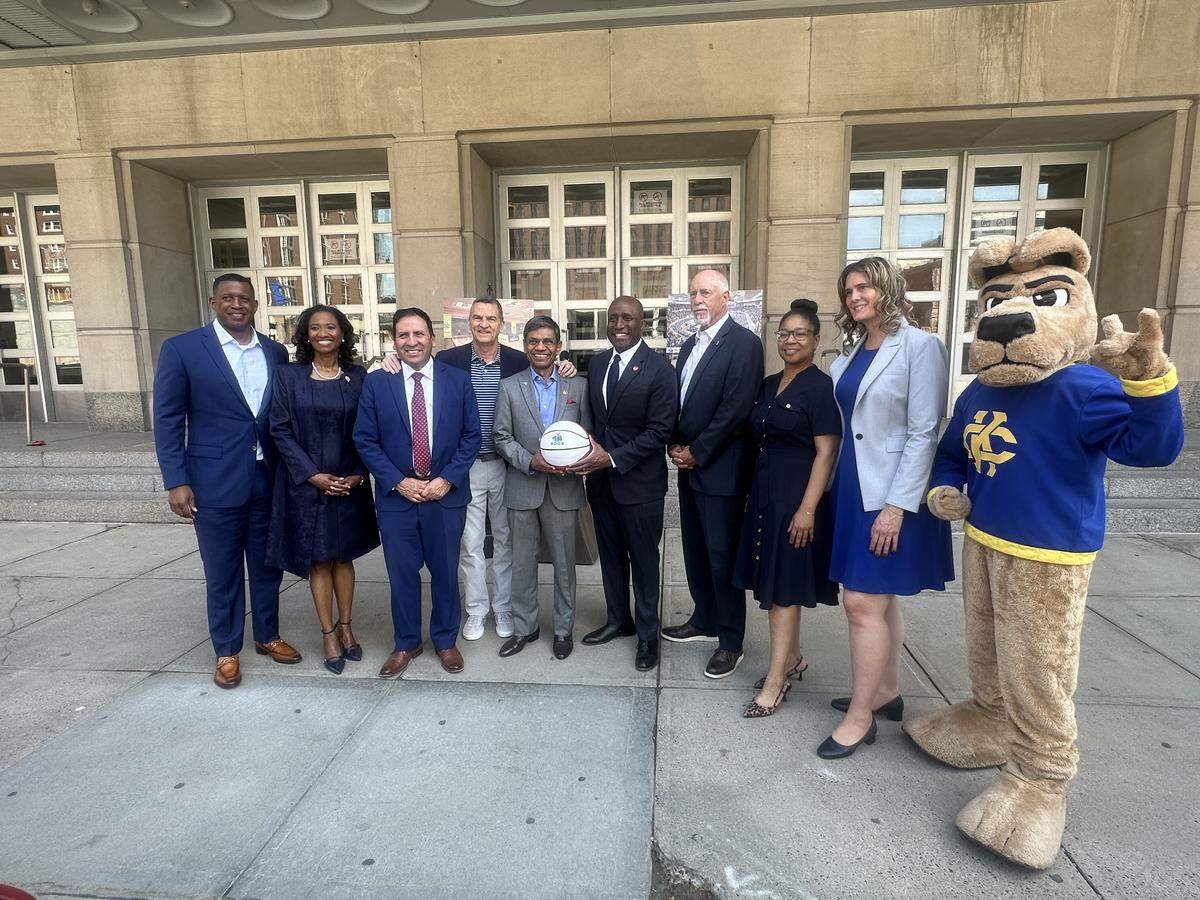
Gilmore said the city is working with architecture consultants on a long-term modernization plan for Bartle Hall and the Municipal Auditorium.
Lucas said $25 million of the proposed bond would be used on government buildings constructed before 1950, like the City Hall building. He said the city estimates $90 million worth of maintenance issues at City Hall that has gone unfunded.
Gilmore said HVAC, exterior windows and safety system projects could be addressed.
Sales tax
City staff also proposed extending the one-eighth cent Central City Economic Development sales tax.
The sales tax supports economic development projects in the city’s East Side, specifically between Ninth Street and Gregory Boulevard to the north and south, and Indiana Avenue and The Paseo to the east and west.
The current sales tax that voters approved in 2017 is set to expire in September 2027. The proposal would extend the sales tax for another 10 years.
Deputy Finance Director William Choi said the tax generated around $13.5 million in 2025.