How a Kansas City lawmaker renewed interest in sister’s cold case
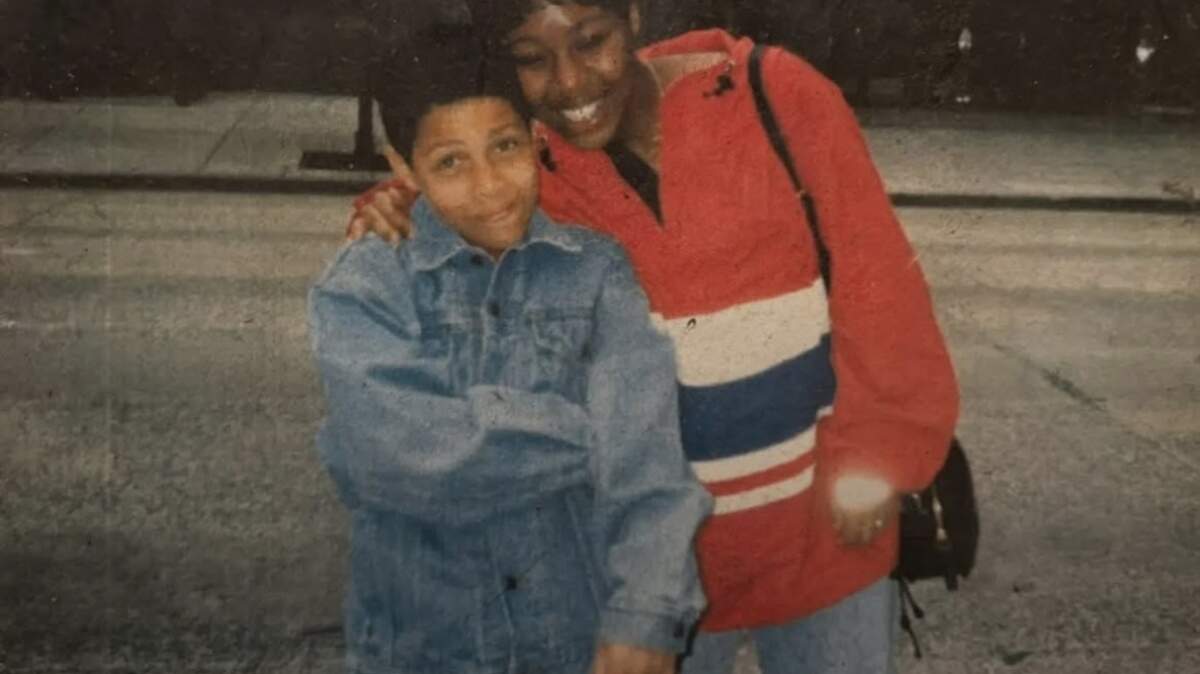
Missouri Rep. Mark Sharp felt conflicted on Wednesday. Celebration. Sadness. The system finally worked — but it took more than two decades.
“It’s an emotional roller coaster,” Sharp, a Kansas City Democrat, said in an interview. “It just depends on what time of the day you catch me, I guess.”
The Missouri Attorney General’s Office on Tuesday announced murder charges against a man accused of killing Sharp’s older sister, Candice Richie, 21, in 2000. Richie’s case had remained cold for 26 years after she was found dead in her Columbia apartment while attending the University of Missouri.
Richie’s family had long sought answers about her death, but the case hit roadblock after roadblock. There was plenty of blame to share, said Sharp, the son of former Kansas City Councilman John Sharp. There was a debate over the cause of her death. Some prosecutors didn’t show much interest.
But things began to shift last year.
University officials, in April 2025, honored Richie at an event memorializing students and faculty members who had recently died. The university’s top leader said at the time that Richie was not properly memorialized after her death in 2000. Sharp attended the event, flanked by two of his colleagues from the state legislature.
The program highlighted Richie’s time at the university, where she studied political science, philosophy and Black studies. Before attending college, Richie was a cheerleader at Hickman Mills High School. Sharp said he thinks she would have worked in some type of public service after graduating.
“She was going to be helping people in some form or fashion,” Sharp said, later adding that his sister “had the biggest smile.”
After the event, Sharp weighed his options. He was in Columbia and there was a new focus on his sister’s death. He said he decided to reach out to the Columbia Police Department.
“Didn’t hurt to ask,” Sharp said. “Maybe there could be a new set of eyes and someone with some more enthusiasm on the case.”
In the wake of that request, Sharp said he had a series of difficult meetings with the Columbia Police Department, Boone County Prosecuting Attorney Roger Johnson and members of the state Attorney General’s Office.
Johnson, in an interview, said his office got in contact with the Attorney General’s Office’s cold case unit after those meetings.
“I can’t take any credit for the progress on the case,” Johnson said. “It’s really the result of the assistance from the Attorney General’s Office.”
The Attorney General’s Office on Tuesday pointed to those meetings as the genesis of its decision to take on the case. In a news release, the state agency said it resumed the investigation into Richie’s death along with the Columbia Police Department after the meetings.
The Federal Bureau of Investigation and a Pennsylvania-based crime lab assisted with the investigation, the office said.
“Whether it is a 26-year-old cold case or a crime committed yesterday, my office will never stop fighting for victims,” Attorney General Catherine Hanaway, a Republican, said in a statement.
Her office declined to share specifics about the meetings with Sharp, citing the pending case.
And then on Tuesday, Hanaway’s office announced that Sentrell Wilson from South Carolina had been arrested and charged with Richie’s murder. Wilson was Richie’s boyfriend at the time, Sharp said.
The South Carolina Law Enforcement Division, or SLED, assisted with the arrest, Hanaway’s office said.
Court records reviewed by The Star allege that Wilson “asphyxiated the victim, left her body where it went undiscovered for days, and then fled the State.” Hanaway’s office said Wilson was being extradited to Missouri and emphasized that he was innocent until found guilty.
Online records do not list an attorney for Wilson.
Amid the mix of emotions on Wednesday, Sharp said that he also thought about other families in Kansas City who have not received closure. He said he hopes his sister’s case can bring attention to other unsolved murders across the state.
It’s never too late to ask, he said.
“These people want to help,” he said. “These cold cases that are sitting on shelves. I mean, they’re not just papers. They’re stories and they’re families that are hurting.”