This high-stakes Johnson County trial could reshape abortion access in Kansas
AI-generated summary reviewed by our newsroom.
- Two clinics challenge Kansas abortion laws in Johnson County bench trial
- Providers say regulations impose medically unnecessary and harmful burdens
- Ruling could shape access for out-of-state patients amid post-Roe migration
Access to reproductive health care in Kansas could be reshaped by the outcome of a high-stakes abortion trial that will play out in Johnson County over the next month.
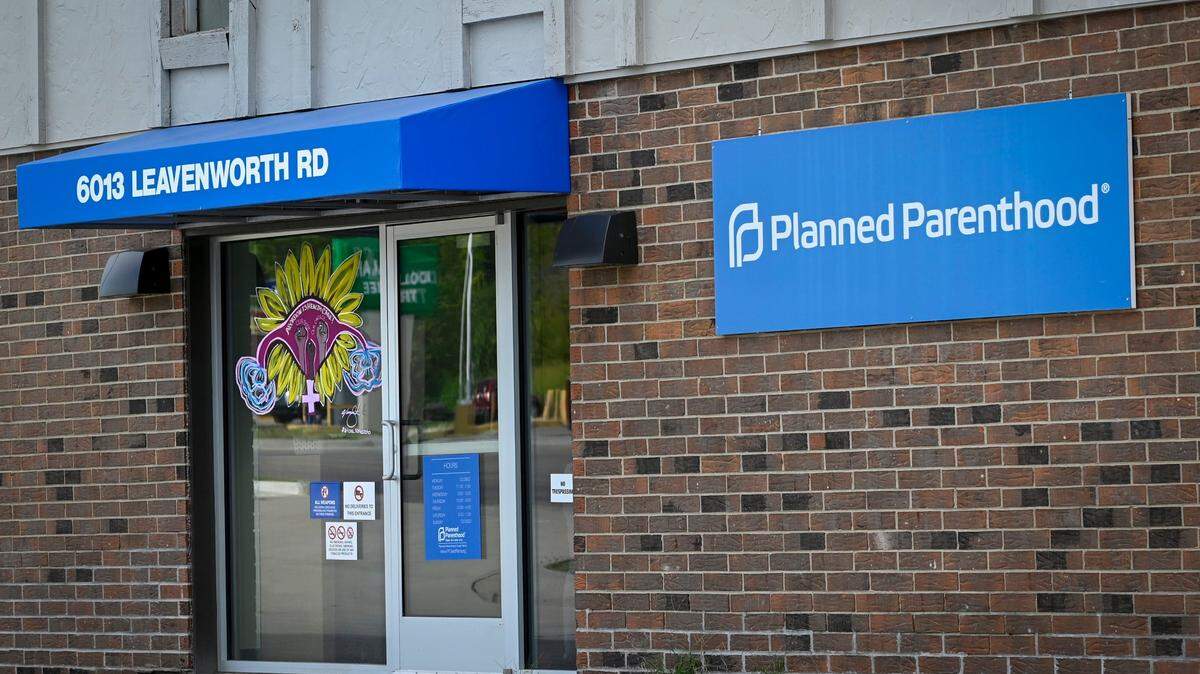
Two Overland Park abortion clinics — Hodes & Nauser and Planned Parenthood Great Plains — are challenging a bevy of Kansas abortion laws that they claim are designed to scare and shame women out of terminating pregnancies.
The trial began Friday and will continue Monday and Tuesday at the Johnson County Courthouse in Olathe before concluding in a four-day stretch from Oct. 14-17.
Because the case will be weighed at a bench trial, no jury has been enlisted to determine the legality of Kansas’ abortion regulations. Instead, District Court Judge K. Christopher Jayaram will preside over a seven-day trial and issue a ruling.
Abortion rules at center of trial
Some of the abortion laws being challenged have been on the books for decades. Others, including a requirement that abortion providers survey women about their reason for seeking the procedure and provide medically dubious information suggesting that pill abortions are reversible, were adopted by the Kansas Legislature in 2023.
Those and other pre-existing requirements, including Kansas’ 24-hour waiting period for abortions and a rule that physicians must listen to a fetus’ heartbeat 30 minutes before an abortion, were temporarily halted by Jayaram while the lawsuit against Attorney General Kris Kobach and other state officials plays out.
“These laws are very harmful to patients and impose medically unnecessary obstacles that people have tremendous difficulty overcoming to access what should be essential health care,” said Alice Wang, senior staff attorney at the Center for Reproductive Rights, which is also a plaintiff in the case.
“These laws don’t have any medical benefit,” Wang added in an interview. “They are designed to stigmatize abortion care, and they are also designed to shame patients for seeking abortion care and to make them feel guilty.”
Abortion providers sensed an opening to challenge restrictions they have long opposed after Kansas voters in 2022 overwhelmingly rejected a proposed constitutional amendment that would have given lawmakers broad authority to further restrict or ban the procedure.
Kansas abortion restrictions
Abortion opponents say the restrictions at the heart of the lawsuit are necessary for women to understand all of their options before terminating a pregnancy.
“If the ‘Woman’s Right to Know’ law is struck down, women will be left in the dark and denied the very information that allows them to make an informed decision about abortion,” Kansans for Life spokesperson Mackenzie Ayers said in an email statement.
“Without this law in place, a woman can be controlled and exploited through lack of access: no chance to see her ultrasound or hear the heartbeat if she wants to, no facts about abortion’s risks or alternatives, no information on resources or medical help if she changes her mind about starting a chemical abortion, and no transparency about other women’s complaints against the abortionist,” Ayers said.
The policy also requires providers to, without evidence, post information in their clinics and websites that abortions could increase their risk of breast cancer and premature birth in future pregnancies.
In court filings, the providers argue that being required to share false and unproven medical information is harmful and illegal.
They also argued that the survey law “interferes with the personal decision-making of pregnant people seeking abortion,” inserts the state into the patient-provider relationship and forces providers to act as agents of Kansas to collect private, non-clinical data.
The outcome of the lawsuit could have sweeping implications not only for Kansans but also for patients from surrounding states where abortions have been banned following the U.S. Supreme Court’s reversal of Roe v. Wade.
According to a 2025 study published by the Guttmacher Institute, a research organization that supports abortion rights, 71% of people who received abortions in Kansas last year reside elsewhere.
Check out The Star’s past coverage of the Kansas abortion law challenge
Court records unsealed in high-stakes Kansas abortion case after Star intervenes
Kansas won’t force abortion providers to survey women for at least a year under deal
Kansas abortion providers challenge in court 24-hour waiting period, other requirements