Missouri’s stadiums package for Chiefs, Royals signed into law. What next?
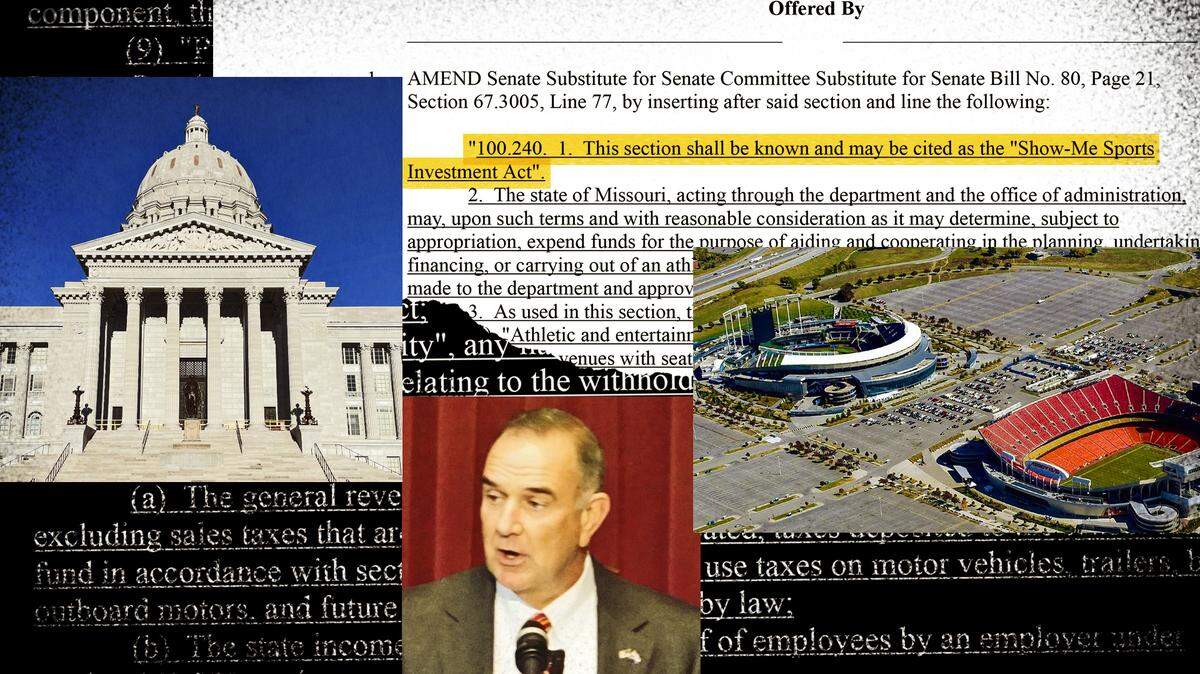
Missouri will soon be able to offer millions in incentives to keep the Kansas City Chiefs and Royals inside state lines under a massive stadiums package signed into law by Gov. Mike Kehoe on Saturday.
Kehoe’s signature, which was widely expected, happened behind closed doors and was announced through a press release Saturday afternoon. It capped off a two-week, at times chaotic, special legislative session intended to prevent the city’s two major sports teams from leaving Missouri for Kansas.
The law will take effect in early September after passing both chambers of the General Assembly. It allows Missouri to pay for up to 50% of new or improved stadiums for the Chiefs and Royals using tax revenue generated by the teams toward payment of bonds for the stadiums.
“We are proud of how the General Assembly came together during this special session to deliver real results for Missourians,” Kehoe said in a statement announcing his signature. Without the law, the Republican governor said, Missouri “would risk losing jobs and economic development opportunities that are key drivers for growth.”
The timing of Kehoe’s signature was crucial, supporters say, as Kansas seeks to lure the teams through a supercharged bonds program that could pay for up to 70% of new stadiums. That program is set to expire at the end of June, a key deadline for when the teams could decide whether to move.
But the incentives package does not guarantee the Chiefs and Royals will stay in Missouri. During committee hearings over the past two weeks, lobbyists for both teams would not commit to staying even if the plan passed.
The lack of firm commitment could put pressure on officials in Kansas City, Jackson County and Clay County to put together additional funding packages for the teams. Missouri’s plan requires local commitment, which could come in the form of a local tax vote just more than a year after Jackson County voters rejected a similar tax.
Pressure will also be on the teams to provide more information about their plans. So far, the Chiefs have been more specific.
A Chiefs lobbyist told lawmakers in two separate hearings that, if the team stays, they plan to renovate Arrowhead Stadium, estimating those renovations at $1.15 billion. The Royals were less clear, saying only that they hope to build a new stadium to replace Kauffman Stadium and are weighing several different locations.
A downtown Kansas City site at Washington Square Park and a spot in North Kansas City in Clay County have both been floated as potential sites in Missouri. But news of a recent real estate deal tied to an Overland Park site in Kansas have also intensified speculation about the Royals’ intentions — and their preferred stadium location.
While state lawmakers, over the past two weeks, touted the teams’ economic impact on Missouri, decades of academic research show that sports stadiums aren’t major drivers of economic growth. The plan ran into a fair share of resistance from opponents, who argued that the teams were pitting Missouri and Kansas against each other for more money.
In addition to the incentives, the new law will also require certain Republican-led counties, excluding Jackson and Clay counties, to allow local residents to vote on some form of property tax cut ballot measure by 2026. The language was the result of negotiations with hard-right Republicans in the Senate.
Kehoe on Saturday also signed into law disaster relief for residents affected by recent tornadoes in St. Louis and millions of dollars for construction projects across the state, including nearly $50 million towards a new mental health hospital in Kansas City.
What’s next?
After Kehoe’s signature, the law is set to take effect on Sept. 9, which would mark 90 days after the General Assembly adjourned its special session.
Under the plan, Missouri wouldn’t just hand the teams a blank check for new stadiums. The teams would have to prove to the Missouri Department of Economic Development that their stadium plans qualify for the new incentives program.
The proposal sets a minimum project cost of $500 million to qualify and stadiums must have a seating capacity of more than 30,000. While the Chiefs are considering a $1.15 billion renovation, a new Royals stadium would cost anywhere between $1 billion and $2 billion, the team’s lobbyist told lawmakers.
Total state dollars can’t exceed 50% of total project costs, according to the legislation. The program benefit won’t last longer than 30 years and contributions from local governments are also required.
There’s also a provision intended to protect the state if either team decides not to stay. The incentives would be clawed back if a team relocates its stadium, headquarters or training facility outside Missouri.