Trump cuts are ‘dismantling support’ to these crime survivors, KC advocates say
When Shirley Fessler traveled to California last month, she expected to present at a conference on sexual assault and domestic violence. Fessler was a senior program associate at Activating Change, a nonprofit that helps crime survivors who are deaf or have disabilities.
Fessler never spoke. Instead, she returned home to the Kansas City area, knowing she was losing her job.
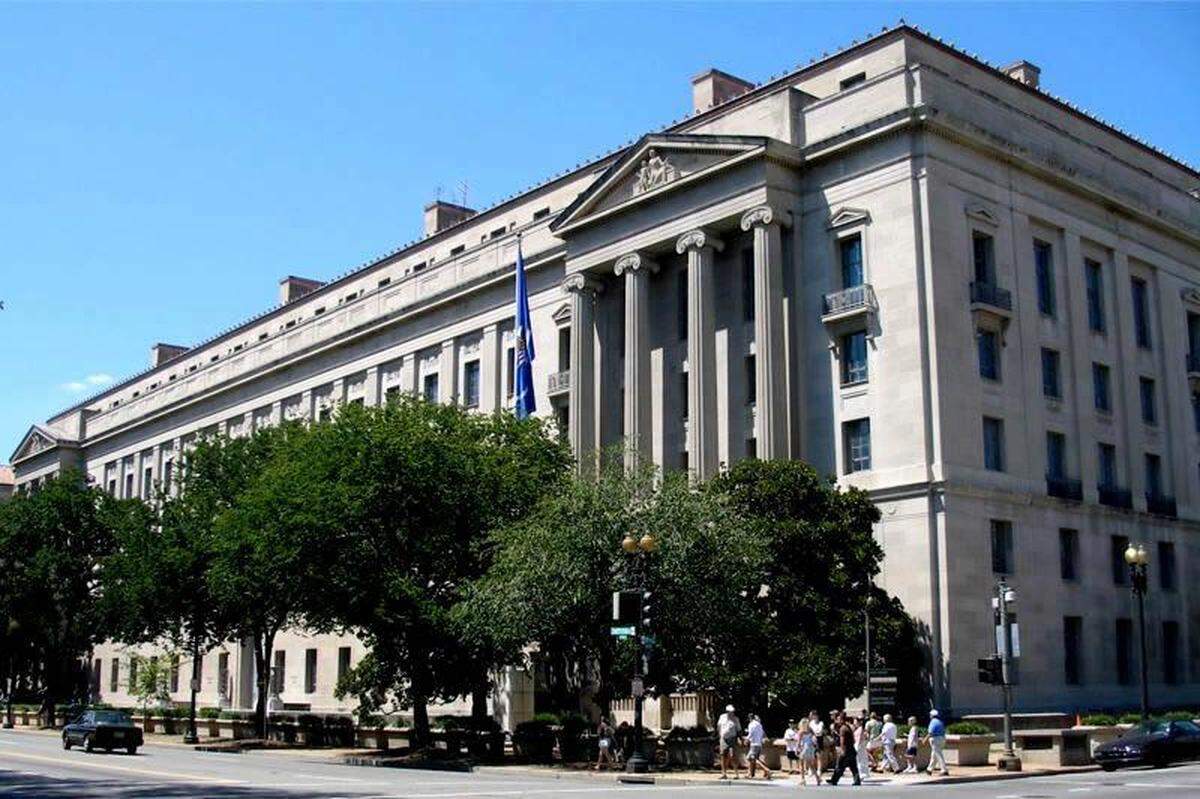
Over the past month, the U.S. Department of Justice terminated five grants that provided funding to Activating Change. The terminations were part of a wave of victims’ services grant cancellations.
Activating Change lost about $2.25 million in a matter of days, forcing layoffs. A dozen employees – more than a third of its staff – have been let go.
“It’s scary what’s happening because Activating Change is an amazing organization and I would hate to see that go away,” Fessler said.
The nonprofit operates remotely but has ties to the Kansas City area. Its mailing address is a Raytown post office box and, prior to the cuts, it had three employees who lived in the Kansas City area; only one remains now. It has also partnered with area organizations, such as the Rose Brooks Center and the Kansas Coalition Against Sexual and Domestic Violence.
Much of Activating Change’s work centers on working with victims’ services and disability organizations around the country, including training. Before the grant cuts, the group also provided American Sign Language interpreter services to victims’ service organizations.
Individuals with disabilities are at least 2.5 times more likely than the general public to be the victim of nonfatal violent crime, depending on their age, according to a 2017 analysis of crime victim survey data. The Department of Justice’s own website touts the research.
After the DOJ abruptly canceled grants nationwide, the department’s Office of Justice Programs restored some of the funding amid an outcry over the cuts. But Activating Change’s grants remain terminated, a decision president and CEO Nancy Smith attributes to the organization’s ties to the Vera Institute of Justice, a New York-based group that opposes mass incarceration.
The DOJ ended Vera’s grants in early April. Billionaire Elon Musk’s Department of Government Efficiency initiative then attempted to place a team at Vera, even though the nonprofit is an independent institution and not part of the government.
The department had directly awarded three grants to Activating Change, while in two other instances, the nonprofit was a sub-recipient of grants awarded to Vera. Work funded through the grants included:
- Providing American Sign Language interpreters to victims’ services organizations
- Developing online training for law enforcement officers to better identify human trafficking victims with disabilities and investigate those cases
- Developing practices for identifying and responding to people with disabilities who are being abused by their personal care attendants
- Offering training and consultation services to victims’ services organizations across the country
Smith said DOJ’s continuing cancellation of Activating Change’s funding is a decision “not grounded in the needs of survivors.”
“It’s about using federal funding as a weapon to target organizations for who they’re connected to and not what they do,” Smith said. “The result is dismantling support for those crime survivors already facing the greatest barriers to safety and healing.”
The Department of Justice didn’t respond to a request for comment. An unnamed DOJ official told Reuters last week that Activating Change’s grants wouldn’t be restored because of its ties to Vera.
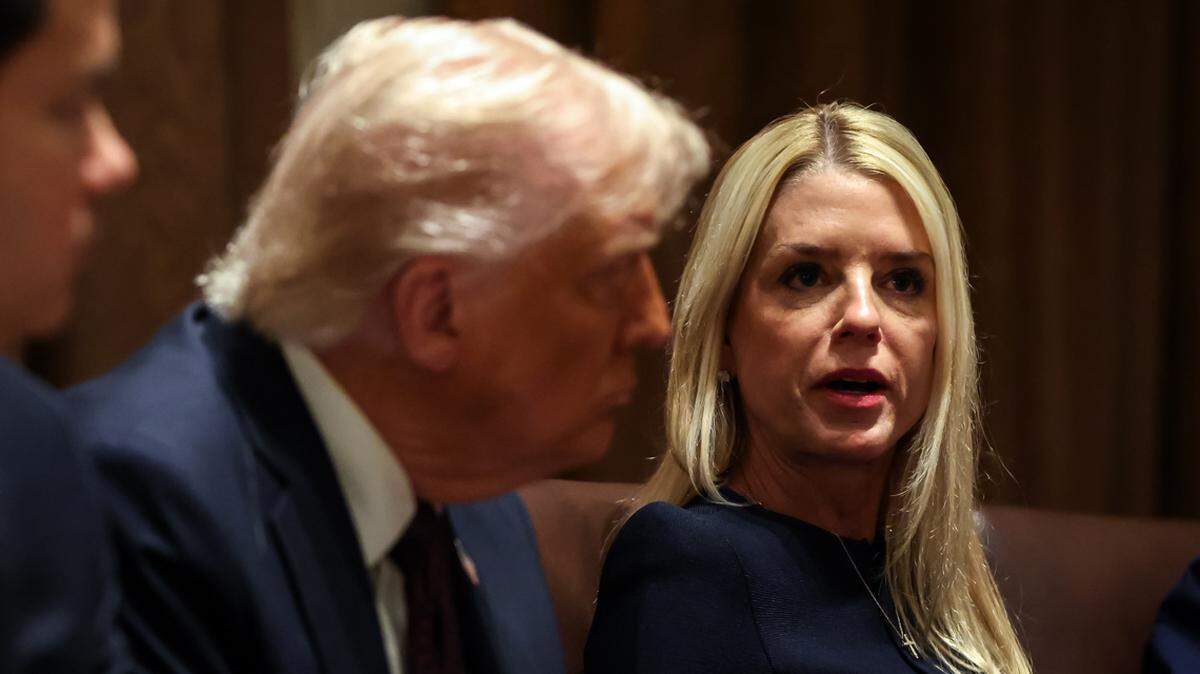
“The Department of Justice has started cutting millions of dollars in wasteful grants,” U.S. Attorney General Pam Bondi wrote on social media last month.
Amy Solomon, who led DOJ’s Office of Justice Programs from 2021 to 2024, said while each new administration wants to shape how grant funds are spent, their priorities typically shape future grant opportunities, as opposed to suddenly pulling support for ongoing projects.
“New administrations have their own priorities. That is fair game and expected. But it is highly unusual, if not totally unprecedented, to see active grants cut en masse and mid-stream,” said Solomon, who is now a senior fellow at the nonpartisan Council on Criminal Justice.
‘Painful’ grant cuts
Fessler started at Activating Change less than a year ago after spending years working at other nonprofits. She helped promote an online toolkit that includes resources to help law enforcement, first responders and others support individuals with disabilities.
While the toolkit was developed several years ago, its effectiveness turns on its visibility. Activating Change was developing a virtual training program that would offer deep dives into parts of the toolkit.
“There’s already enough barriers that we really want to make that just be a normal thing for every organization – is that they are available to people with disabilities and deaf people,” Fessler said.
Fessler, who spent 20 years as a victim advocate in the Johnson County District Attorney’s Office before working several roles at the Kansas Coalition Against Sexual and Domestic Violence, had planned to finish her career at Activating Change.
The nonprofit began in 2005 as a project of Vera, then known then as the Center on Victimization and Safety. It spun off as a separate entity in 2022 and became Activating Change.
Even though the organization is fully remote with no physical headquarters, Fessler said Activating Change fostered camaraderie. Employees regularly hopped on Zoom, whether for meetings or just to visit socially. Fessler lived close enough to one co-worker that they occasionally met in person.
One component of the grant Fessler worked on was to talk about the toolkit at conferences. When the DOJ began terminating grants, she was at the International Conference on Sexual Assault, Domestic Violence, and Forging New Pathways in Anaheim, California, preparing for a presentation.
Fessler learned the morning of April 23 that the DOJ had canceled her grant. She had been scheduled to speak that afternoon.
“I did not get to do that. I came home,” Fessler said.
Before the grant cuts, Activating Change had an annual budget between $5 million to $6 million, with 27 employees living all over the United States. Smith said the organization had a “strong concentration” in the Kansas City area.
The layoffs have affected employees who have been with the organization for over a decade, as well as newer colleagues, Smith said.
“It’s just been incredibly painful,” Smith said. “We very much have a community at Activating Change and it’s been gut-wrenching to say goodbye to really amazing people who lost their jobs through no fault of their own.”
Fessler, 58, has worked since she was 14 and has never before been laid off. Right now, she plans to move in with her parents in June until she finds another job.
“Just trying to find another job with 300,000 other people,” Fessler said. “My expertise, my field of work, is kind of being decimated. To find another nonprofit place that does what I’ve done for the last 35 years, that’s hard to find.”
Still, Fessler said she’s blessed and privileged. She has a place to go and people around her who can help. She worries about the individuals Activating Change helps, though.
“The people that are most vulnerable and marginalized are the ones that are really being impacted as well,” Fessler said.

Kansas City impact
Activating Change has left a lasting impression on Kansas City.
In 2010, when the nonprofit was still a Vera project, a federal grant allowed it to help the Rose Brooks Center become more accommodating to deaf individuals and those with disabilities.
The Rose Brooks Center operates an emergency shelter and offers a variety of other services to domestic violence survivors. CEO Lisa Fleming said Activating Change helped Rose Brooks in numerous ways – everything from training on how to engage with individuals who are deaf or have disabilities to how to create accommodating physical spaces.
Lessons learned from that period still shape how Rose Brooks provides services today, Fleming said. Activating Change helped Rose Brooks to develop an advocate’s guide to safety planning with persons with disabilities, adding that her organization still uses the curriculum today, she said.
Fleming recalled vividly a story shared during one of Activating Change’s first training sessions that has stuck with her ever since. The story involved a non-verbal woman who used a communications device but that her personal care attendant had removed words for “help” and was raping her.
“They changed the lens by which we see what we need to do in closing the gap in serving survivors with disabilities,” Fleming said.
Charity Hope, Activating Change’s vice president and director of operations, said the organization in the past had conducted an “access review” of the Rose Brooks Center, underscoring the nonprofit’s attention to detail.
The review involved walking through Rose Brooks’ facilities and noting improvements the organization could make to improve accessibility for a wide variety of people with disabilities. Activating Change posed questions like whether a wheelchair user could maneuver through a room.
A change might be as simple as rearranging the furniture or ensuring doorway thresholds are clear of tripping hazards.
“Say it’s the middle of the night and you’ve got someone who’s experienced one of the most upsetting moments in their entire lifetime and they can’t actually get in the space, right?” said Hope, who lives in the Kansas City area.
“So just having that insightfulness and that forethought to plan is going to improve that experience for that survivor from that first moment they step foot into a space.”

Did DOJ target Activating Change?
When the Department of Justice canceled hundreds of grants on April 22, collectively worth some $800 million, the agency gave the same boilerplate explanation: the funding “no longer aligned with agency priorities.”
Bondi, the new U.S. attorney general and a former Florida attorney general, highlighted three examples of canceled grants – she called them “greatest hits” – on social media. One focused on research involving police interaction with LGBTQ individuals; another on housing for transgender prisoners.
But many canceled grants appeared to have little connection to President Donald Trump’s push against what the administration calls “gender ideology.”
“These cuts are not just bureaucratic decisions—they will result in additional harm to survivors of domestic and sexual violence, dating violence and stalking,” Michelle McCormick, executive director of the Kansas Coalition Against Sexual and Domestic Violence, said in a statement.
“We have built a network locally and nationally to address these acts of violence and support survivors. When organizations like Activating Change lose funding, survivors with disabilities—already among the most vulnerable— will be impacted.”
Activating Change’s ordeal began weeks before April 22’s mass purge of grants. DOJ informed the Vera Institute of Justice on April 4 that it had terminated $5 million in grants, including funding that flowed through to Activating Change.
On April 9, Vera president and director, Nicholas Turner, wrote to Bondi that Vera believed it was targeted for its public opposition to Trump’s mass deportation agenda and cuts to mental health and drug treatment programs, among other actions. Turner asked Bondi to restore the funding.
Bondi didn’t restore the funding. DOJ instead dramatically increased the number of grant cancellations.
Solomon, the past leader of the DOJ’s Office of Justice Programs, said that typically when the agency pulls back funding, the decision is based on performance metrics and other factors like management of the grant.
“I don’t know what the rationale was for these grant cuts,” Solomon said. “But I can tell you I have personally visited many of these programs and there’s a lot of wonderful organizations that were part of this branch of grant cuts and they have been working very diligently to save lives.”
It’s not clear when Vera, Activating Change or any other group will have another opportunity to seek grant funding. Smith, Activating Change’s leader, said the DOJ typically posts grant opportunities in the spring. Those posts have been removed and haven’t been restored, she said.
“There is currently no grant-making mechanism, so there’s no ability to get public dollars to support the work,” Smith said.
Solomon said it’s not totally unusual for new administrations to pull down grant solicitations posted by a prior administration. At the same time, she said it is getting “late in the season” and solicitations would have been expected by now. She said she expects DOJ will eventually post new grant opportunities, though she said the big question is how much different they will look.
Fessler was already on guard when she left for the California conference last month. Activating Change had lost some funding a few weeks before.
Fessler’s project would be up in September and she had wanted to seek additional funding. But the DOJ’s decision to pull down grant opportunities left that up in the air.
Even so, Fessler had held out hope she would at least get to complete the project.
“It would have been great to be able to finish it and provide that really important information to people that need it,” Fessler said. “Because some people don’t understand disability or are uncomfortable working with people with disabilities, and they’re the ones that are victimized the most sometimes.”
This story was originally published May 2, 2025 at 5:30 AM.