Kansas’ offer to poach Chiefs & Royals stadiums is about to expire. What’s next?
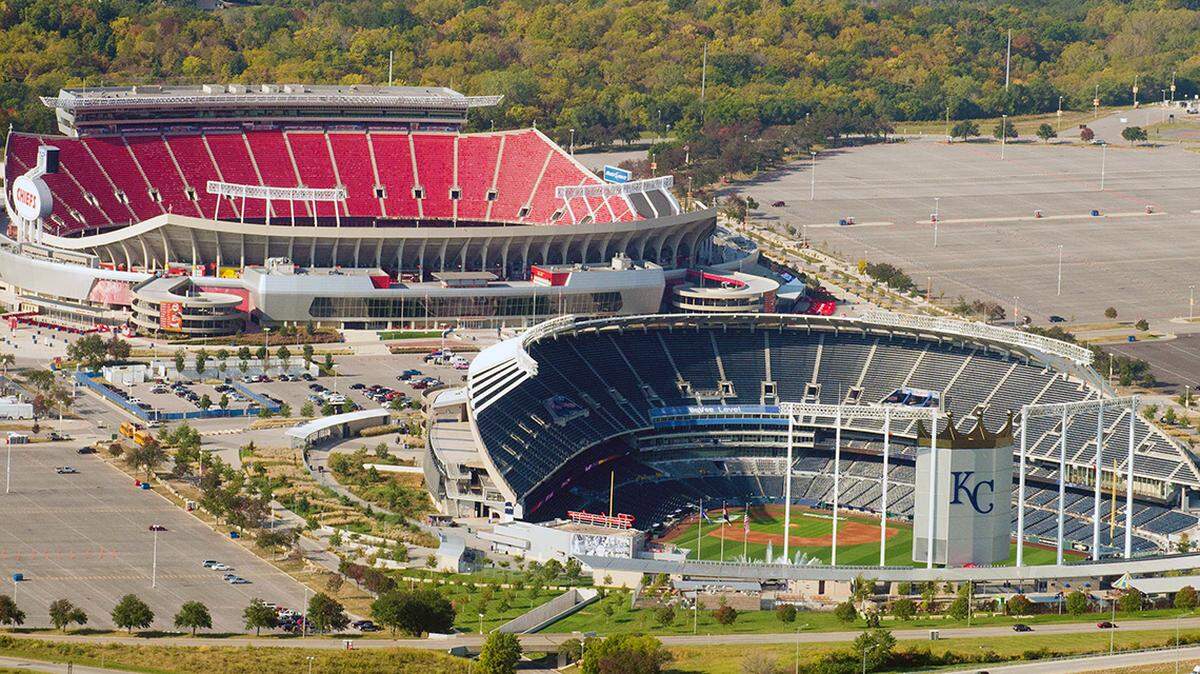
In two months, Kansas’ supercharged incentive plan to lure the Kansas City Chiefs and Royals across the Missouri border is set to expire.
That offer, which emerged from a special legislative session last June, authorizes the state to issue billions in bonds to finance the construction of stadiums for one or both teams.
As bills attempting to establish a stadium funding mechanism flounder in the Missouri General Assembly, Kansas can exercise a one-year renewal option on its own stadium proposal.
That can be done without Gov. Laura Kelly calling another special session. A group of lawmakers responsible for handling state business while the Legislature is adjourned could extend the offer before it lapses on July 1.
“Both the Chiefs and Royals are essential to our region from both an economic and cultural perspective,” said Senate President Ty Masterson, an Andover Republican who chairs the eight-member Legislative Coordinating Council, or LCC.
“That’s why Kansas didn’t wait — we stepped up to the plate a year ago with a home run package to keep the franchises in town. I envision Kansas remaining fully on the field of play throughout the process,” said Masterson, who is widely expected to run for governor.
Mike Pirner, a spokesperson for Masterson, told The Star it’s “too soon to tell” if an extension on the incentive package will be necessary.
Under the 2024 plan, Kansas could finance up to 70% of stadium construction through Sales Tax and Revenue bonds, or STAR bonds. The bonds would be paid back by tax revenues generated from within any new stadiums and surrounding retail development, as well as future sports betting and Kansas Lottery revenues.
The plan empowers Lt. Gov. David Toland, as commerce secretary, to negotiate deals directly with the Chiefs and Royals. No statewide or local vote would be required for Commerce to enter into a stadium funding agreement with one or both teams.
On the Missouri side, Jackson County voters have already rejected one sales tax proposal.
House Speaker Jonathan Patterson, a Lee’s Summit Republican, has said stadium funding proposals should come from the local level first before state officials advance any measures that would open the door to public support.
Chiefs and Royals stadium negotiations
At least one site that was rumored to be a potential location for a Royals stadium in Johnson County would appear to be off the table. Overland Park’s Aspiria Campus, formerly Sprint, will get a Milwaukee-based payment and financial services technology company backed by $154 million in state incentives, Kelly announced Monday.
It remains unclear whether the Chiefs or Royals have expressed interest in Kansas’ offer since it was first made 10 months ago. Commerce spokesperson Patrick Lowry declined to provide details about the extent of the state’s negotiations with either team.
“Because all major economic development projects require discretion and confidentiality, the department will not disclose any details regarding the activity surrounding negotiations or future agreements,” Lowry said in an email.
A Chiefs stadium alone could cost $2 billion, and a Royals stadium could cost at least $1.5 billion. Kelly’s office declined to comment on whether she wants to see the STAR bond offer renewed for a year.
Sen. Tim Shallenburger, a Baxter Springs Republican and LCC member, said he favors extending the offer “if either of those teams are seriously considering it.”
“The rumor is that there’s negotiations going on, but I’m not privy — I don’t know if that’s fact or fiction,” Shallenburger said.
“I would think it’s worth renewing. If it’s a one-year deal, that’s not very long for a multi-billion-dollar decision to be made. And so, I would support extending it, provided that they haven’t made a decision that they’re not coming,” he said.
Kansas House Majority Leader Chris Croft, an Overland Park Republican and LCC member, said he hasn’t formed an opinion on whether or not Kansas’ stadium STAR bond package should be left on the table for another year.
“That would probably be more of a Ty (Masterson) and Dan (Hawkins) question,” Croft said. “If they need more time, then I’m sure they’ll present that and we’ll take all that into consideration.”
Speaker of the House Dan Hawkins, a Wichita Republican, did not respond to a request for comment.
Senate Minority Leader Dinah Sykes of Lenexa, another LCC member, said she’s confident in the lieutenant governor’s ability to negotiate a good deal for Kansas if there’s one to be had.
“We want to keep the teams in the Kansas City area and I trust Toland to act in the best interest of Kansas as the process moves forward,” Sykes said. “We still have time before a convening of the LCC is needed.”
STAR bond incentive risks
In the quarter century since Kansas Speedway in Wyandotte County became the first STAR bond-backed development, projects associated with the program have had a mixed track record.
Some projects, including the racetrack and Children’s Mercy Park, where Sporting KC plays, have spurred development and generated return on investment in the form of tourism dollars.
But others haven’t fared so well. The Prairiefire museum in Overland Park defaulted in 2023 after bondholders were unable to make a $15 million payment. Schlitterbahn Waterpark Kansas City, another STAR bond project, was permanently closed after the 2016 death of a 10-year-old child on the park’s signature waterslide.
Other STAR bond projects operating in the Kansas City area include the Homefield youth sports complex in KCK and the BluHawk sports complex in Overland Park.
The standard STAR bond program, renewed by the Legislature for another three years this spring, only authorizes the state to fund up to 50% of project costs through future sales tax revenue.
The stadium STAR bond proposal is a souped-up version of the incentive that allows for up to 70% of development costs to be paid for by future stadium district customers.
Pirner, Masterson’s spokesperson, said that with STAR bonds, any financial risk is held by bondholders, not taxpayers — an argument frequently made by the program’s supporters. While true, experts have said it downplays the way a default would make government-issued bonds in Kansas seem less reliable to future investors, which could raise borrowing costs.
Extensive research indicates that stadium projects rarely earn back the amount of public aid that goes into them. Decades of research show stadiums aren’t major drivers of economic growth.
Kansas officials insist their top priority is ensuring the franchises stay in the region, as Missouri lawmakers have so far been unable to devise a voter-friendly plan to pay for new stadiums.
“It’s important that any future plans reflect the value these teams bring to the local community, not just in terms of sports, but as cultural and economic pillars of the region,” said House Minority Leader Brandon Woodard, a Lenexa Democrat who sits on the LCC.
“As we head into the summer months, I’m eager to see proposals that focus on keeping both teams rooted in the metro area.”
The Star’s Jonathan Shorman contributed reporting.
This story was originally published April 23, 2025 at 5:30 AM.