A child sex offender attended a Blue Valley school dance. Under KS law, it wasn’t illegal
Parent outrage over a child sex offender pointing his phone camera at students during a Blue Valley elementary school dance has prompted the introduction of a Kansas Senate bill that would bar offenders from school grounds and off-campus events.
SB 288, put forward by Sen. Kellie Warren, a Leawood Republican, received a hearing Tuesday in the Senate Judiciary Committee that Warren chairs. It would make it a felony for any registered offender 18 or older to enter onto school property if their underlying offense involved a child.
Unlike Missouri, where registered offenders can’t live within 1,000 feet of schools or childcare facilities, Kansas has no residency restrictions on offenders. Missouri law does allow sex offenders with custody of their child to go on school property with the superintendent’s or school board’s permission.
The law proposed by Warren would make no exceptions for those cases, and opponents say it would disrupt families and bar some students who have been convicted of sex crimes from attending classes at public schools and accredited private schools.
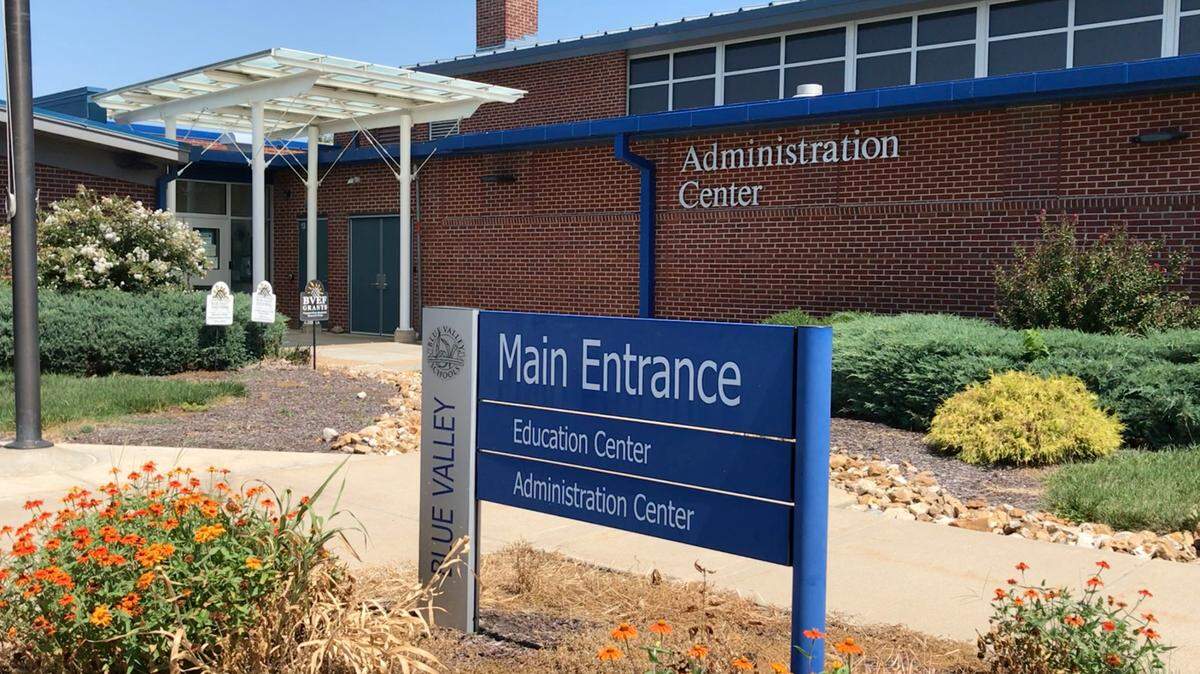
The inciting event for Warren’s bill was a Feb. 8 dance at Blue River Elementary, which was attended by a man who served prison time after pleading guilty in 2011 to the distribution or receipt of child pornography via the internet.
Blue Valley Schools officials have said the man had a “functioning parental relationship” with a student at the event. The district submitted written testimony in favor of the bill and is actively working to shape district policy “to establish clear protocols for school access while prioritizing student safety,” spokesperson Kaci Brutto told The Star.
According to multiple Blue Valley parents who testified Tuesday in favor of Warren’s bill, the man appeared to be taking photos or videos of students during the event.
“This individual, while surrounded by children, was observed using their cell phone camera’s application directed towards students on the dance floor,” said Christine Antes. “Shockingly, no Kansas law or district policy was broken.”
Jessica Daubert, another Blue Valley parent, said the proposed state law is a common sense measure that should be quickly enacted.
“As a parent, we already have to worry about school shootings and allergic reactions to food, bullies, et cetera. So let’s make one less thing to worry about,” Daubert said.
Advocates speak out
The committee also heard proponent testimony from Johnson County District Attorney Steve Howe and a representative from the associations of Kansas sheriffs, chiefs of police and the Kansas Peace Officers Association.
“Senate bill 288 prevents retraumatization or traumatization in the first place in ensuring that children are not forced to confront offenders in school settings where they are meant to learn,” said Kasey Dalke, executive director of the Children’s Advocacy Centers of Kansas, who noted that 97% of victims at the Kansas advocacy centers in 2024 knew their abuser.
But opponents of the bill including Keith Weidner, a registered sex offender and single father living in Ottawa, said the proposed law would have a devastating effect on the families of offenders who are working hard to overcome their past.
“I do not take lightly the mistakes I have made in the past. However, I am a father, and the most important thing in my life is raising my daughter to be a happy, healthy and successful individual,” Weidner said through tears.
“I have made it my life’s purpose to provide her with a safe, nurturing home. But the reality is that this bill will tear that apart . . . Whether it’s attending her parent-teacher conferences, picking her up from school or being present in her extracurricular activities, the law would make it impossible for me to maintain the day-to-day participation that is essential to her emotional wellbeing.”
Grace Tran with the Kansas State Board of Indigents’ Defense Services pointed out that most abuse happens in homes and on other private property. Cutting registered offenders out of their children’s and grandchildren’s education could increase recidivism, she said.
“These are people who have served their time or were not sentenced to prison,” Tran said. “The registry is wide-reaching. People register as sex offenders for things that are low-level felonies, misdemeanors, or even things that are not sex offenses at all, like theft with a sexually motivated finding.”
This story was originally published March 11, 2025 at 5:20 PM.