Kansas Supreme Court to decide if Shawnee had illegal ‘bias’ against apartment project
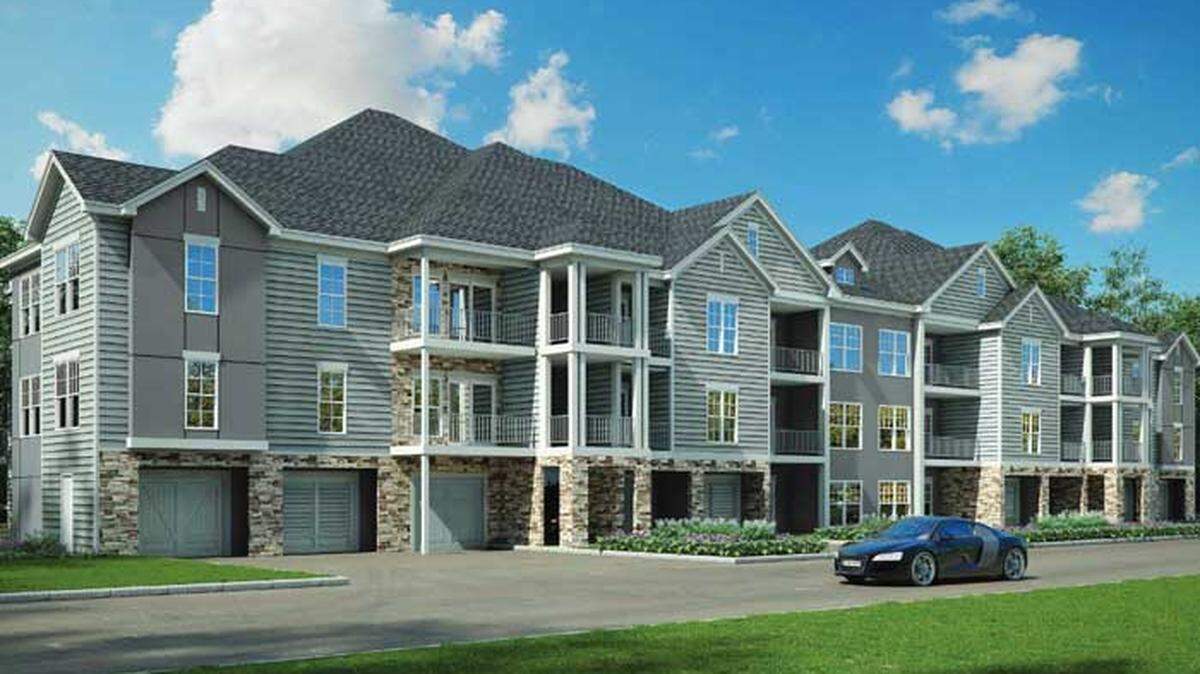
As fears about crime, traffic and falling property values circulated among neighbors, the Shawnee City Council in December 2019 rejected a $50 million housing development that would have brought hundreds of apartments to the city.
Five years later, the spurned developer behind the project made its final courtroom pitch to revive the sprawling proposal.
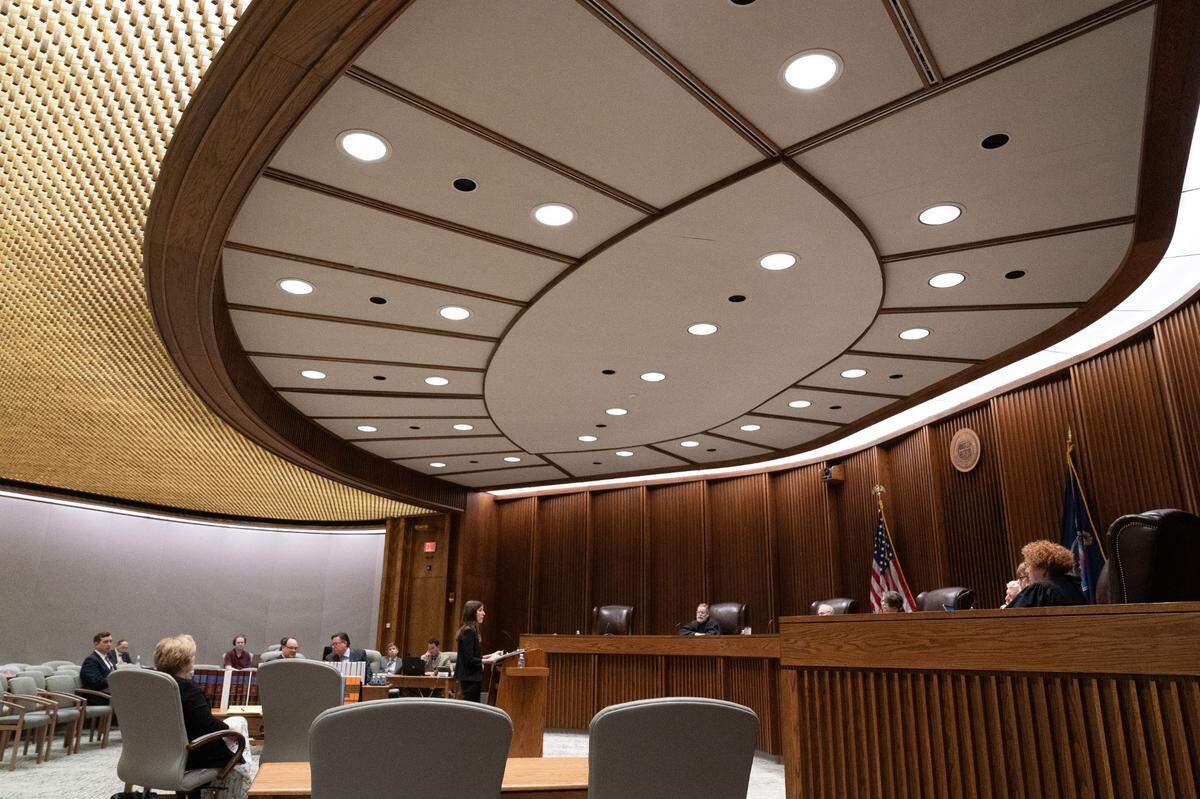
A lawyer for Austin Properties urged the Kansas Supreme Court on Tuesday to overrule two lower courts that had sided with Shawnee and its decision to thwart the development. A lawyer for the city argued the court’s seven justices should uphold the previous rulings.
Austin Properties sued shortly after the 2019 rejection. The legal dispute centers on the interplay between state and local zoning laws and whether city councilmembers made a reasonable decision when they blocked the project. Tuesday’s oral arguments, held in a nearly-empty Supreme Court chamber, were marked by discussion of legal citations and doctrines.
But the outcome of the legal fight holds very real-world consequences for the future of western Shawnee. Austin Properties’s proposed 29-acre development, off Woodsonia Drive and 53rd Street near Kansas State Highway 7, calls for 42 townhomes and 380 apartments.
The dispute has played out amid a nationwide affordable housing crunch and ongoing tension in Johnson County between those who support building denser housing and others who fear disruption to the existing character of suburban neighborhoods. Communities across the affluent county have been gripped in recent years by debates over just how much housing to build, and where to build it, as they continue to grow.
Melissa Sherman, an Overland Park-based lawyer at Spencer Fane who’s representing Austin Properties, told the Kansas Supreme Court that the developer still wants to proceed on the project. Austin Properties has been stuck in a “holding pattern” as the legal fight has unfolded, she said.
When Shawnee weighed the development in 2019, residents organized a protest petition that required a supermajority vote by the City Council to approve the project. The Council voted 4-4 against rezoning the area, falling short of the necessary support. Residents packed the Council chambers, with some officials agreeing with claims that the density of the development would congest traffic and crowd schools.
Austin Properties argues in its lawsuit that the elected officials, in effect, paid too much attention to the opinion of resistant residents in the vote.
“This case is about bias against an apartment development, causing elected officials, in this case City Council members, to abandon their quasi-judicial roles and adopt the sentiment of the neighboring property owners, violating due process,” Sherman told the court on Tuesday.
Dispute over ‘reasonableness’
The Kansas Court of Appeals ruled in April that enough information was on record to demonstrate the “reasonableness” of the city’s denial. The court also struck down due process provisions in the state’s rezoning law, finding they conflicted with another portion of the law that outlines the protest petition process.
The Court of Appeals ruled that if a zoning amendment under a protest petition is denied because the City Council didn’t approve it by the required three-fourths supermajority vote, a process in state law for resubmitting the failed amendment – the due process provisions – doesn’t apply.
Austin Properties contends the Court of Appeals incorrectly interpreted the law and that the Shawnee City Council should have another opportunity to vote to approve or reject the amendment – or send it back to the city’s planning commission. Essentially, basic property rights demand that the developer have the chance to address concerns about the proposal before the project is killed outright, Sherman argued.
Sherman also argued that when the City Council weighed the project, it acted as a “quasi-judicial” body and therefore couldn’t make decisions purely on the basis of public opinion.
“I think the City Council still has the requirement to judge the application based on the benefits to the public and the benefits to the property owner,” she said.
Andrew Holder, an Overland Park-based lawyer at Fisher Patterson Sayler & Smith representing Shawnee, told the Supreme Court that the protest petition provisions and the due process provisions of state law were in conflict. The more specific section of law – the protest petition requirements – should control, he said.
He also defended the reasonableness of the City’s Council’s denial. Scrutiny of the project turned on the density of the proposed development, raising issues related to traffic, aesthetics, building heights and other factors, he indicated.
“I think that the record amply supports the basis for the governing body’s decision,” Holder said.
While several justices peppered the lawyers with questions, Justice Dan Biles said explicitly he disagreed with how the Court of Appeals had analyzed the law. Biles, an appointee of Democratic Gov. Kathleen Sebelius, said the lower court “launched off into a policymaking role without touching all the bases it has to touch before it can do that.”
After roughly 45 minutes of arguments, the justices took the case under advisement. There’s no deadline for when the Supreme Court will rule, but a decision is likely months away.
Property remains empty
When residents fought the development five years ago, many said they were not opposed to growth, but did not want city-like denser development or were worried about crime and property values. Some City Council members echoed public opposition and concerns about density, neighborhood character, traffic and school crowding, while others said Shawnee needed more residents to grow and attract businesses and amenities.
City officials approved previous plans for denser multi-family housing — though not as dense as the Austin Properties proposal — on the site in the 1990s and 2000s, but construction never took place, according to court documents. City planning documents call for a mix of housing on the site, including townhomes or apartments.
City staff recommended approval of Austin Properties’s proposal, and Shawnee’s planning commission voted to recommend it in November 2019. The protest petition and City Council denial came a month later.
The Woodsonia property remains empty and undeveloped while the lawsuit progresses.
If the Kansas Supreme Court issues a decision placing the proposed project back before the Shawnee City Council, Austin Properties would face a new set of Council members.
The Shawnee City Council has experienced significant turnover since the December 2019 vote, as conservatives have gained more seats on the nine-member panel. Only two members – Mayor Mickey Sandifer and Councilmember Mike Kemmling – were on the Council at the time.
Councilmembers Kurt Knappen and Angela Stiens, who represent the area where the project would be located, didn’t immediately return calls on Tuesday. A Shawnee city spokesperson declined to comment on the case. Sherman, who argued the case on behalf of Austin Properties, also declined to comment.
When the City Council voted, Jim Neighbor, who at the time was a councilmember and supported the project, cast the debate as indicative of two possible futures for Shawnee – as a permanent bedroom community or a city moving forward with growing amenities.
In an interview on Tuesday, he made the same case, emphasizing the growth and tax revenue that communities like Lenexa have enjoyed through multi-family housing.
“The bottom line is Shawnee needs more of this sort of thing, needs more good developers,” Neighbor said.