MO attorney general candidate faced charges related to underage drinking in college
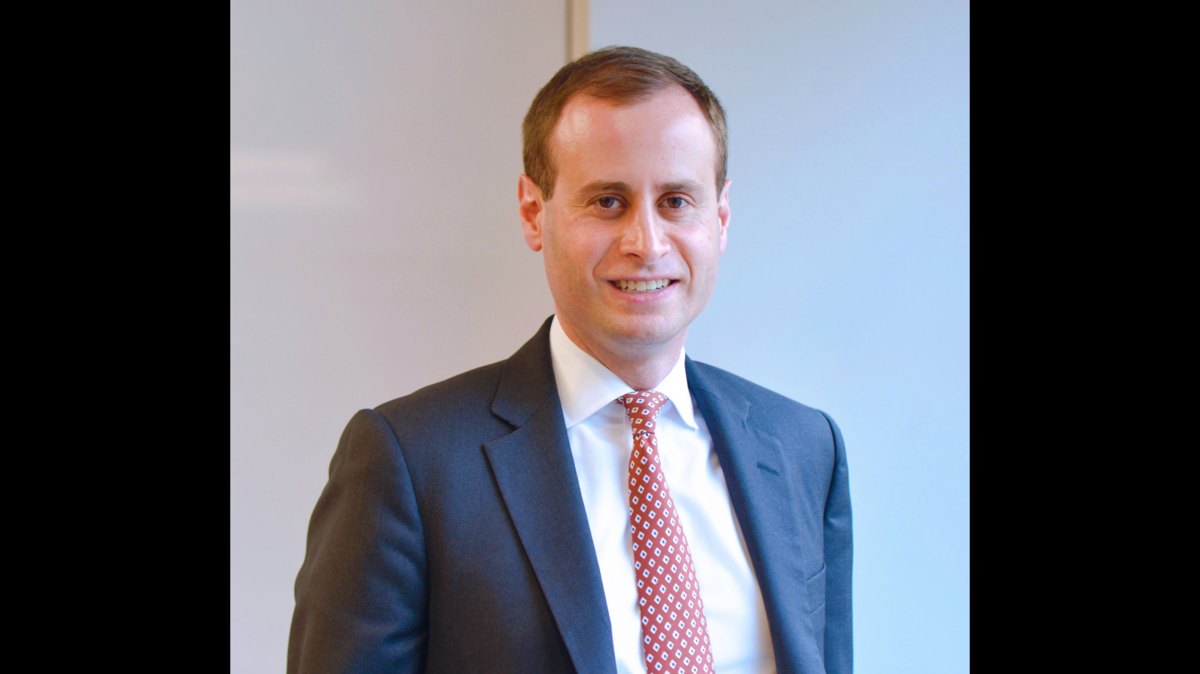
A top Republican candidate for Missouri attorney general was charged with two crimes related to underage drinking while at college.
In 2007, Will Scharf was charged with serving alcohol to minors and creating a nuisance at an off-campus club when he was a senior at Princeton University. The charges were later dismissed.
The Daily Princetonian, the college’s student newspaper, covered the charges against Scharf at the time. The newspaper reported that Scharf’s attorney, Rocco Cipparone, had threatened to file a civil lawsuit against the police department but that lawsuit did not happen.
Scharf’s prior criminal history, first reported by the St. Louis Post-Dispatch, has resurfaced as he prepares to face off against Attorney General Andrew Bailey in the Republican primary this August. A political action committee supporting Bailey’s campaign has started to run ads highlighting the charges against Scharf. Previous criminal citations against Bailey have also resurfaced in the campaign.
Scharf, in an interview with The Star, said that there was “absolutely no evidence” he did anything wrong. He went on to criticize Bailey’s campaign and framed the resurfaced charges as a political attack.
“As soon as the case made it into court, it was dismissed unconditionally,” he said. “I think it’s outrageous that instead of talking about the very real issues facing Missourians today, Andrew Bailey and his people want to drag up something that happened two decades ago that really has no bearing on anything in this race.”
Scharf, a former assistant U.S. Attorney and policy director for former Missouri Gov. Eric Greitens, is mounting a campaign to unseat Bailey, who was appointed by Gov. Mike Parson. Scharf currently serves as one of former President Donald Trump’s lawyers.
The charges occurred when Scharf was serving as president of one of the college’s “eating clubs,” a group of social organizations in which students dine and study. Scharf’s club held a party in which one student poured beer on another student, resulting in a punch being thrown, according to a newspaper report at the time.
The initial police investigation determined that alcohol had been served to minors. Scharf told The Star he was not present at the party but was charged.
After the charges were dropped, Cipparone, Scharf’s attorney, said that one of the people involved in the altercation, in a videotaped interview with police, “clearly and unequivocally” said she was not served alcohol by anyone affiliated with Scharf’s club, according to a report at the time.
Even though they were dismissed, the charges against Scharf loomed over his senior year of college. He told the student newspaper at the time that they affected his applications to law school.
“I’ve had one nervous breakdown. I am sure my thesis adviser thinks I am going crazy,” Scharf said in a statement to the student newspaper.
The Republican candidate went on to graduate from Harvard Law School in 2011.
Mike Hafner, a spokesperson for Bailey’s campaign, attacked Scharf in an emailed statement.
“It’s clear that Will Scharf and his campaign owe Missourians a clear explanation on why he threatened to sue police for doing their job,” he said. “We hope Eating Clubs can be safe spaces for all and not like Sodom and Gomorrah.”
Scharf, in the interview with The Star, criticized Bailey’s time as attorney general.
“I think the people of Missouri are much more concerned with Andrew Bailey’s consistent failures in court and the special interest and lobbyist deals that he’s cut practically from the first day that he got into office,” he said.
The revelations of the years-old criminal histories of both Scharf and Bailey come as the August primary election approaches. Peverill Squire, a professor of political science at the University of Missouri-Columbia, pointed to the similarities between the two candidates on policy issues.
“Given that there is no daylight between Bailey and Scharf on almost all of the issues, the campaign has degenerated into character attacks,” Squire said in an email. “The main street Republicans left in the party will have to decide which of the two candidates they find less objectionable.”
This story was originally published June 25, 2024 at 2:33 PM.