‘We lack empathy.’ More Missourians stuck in jail waiting for mental health treatment
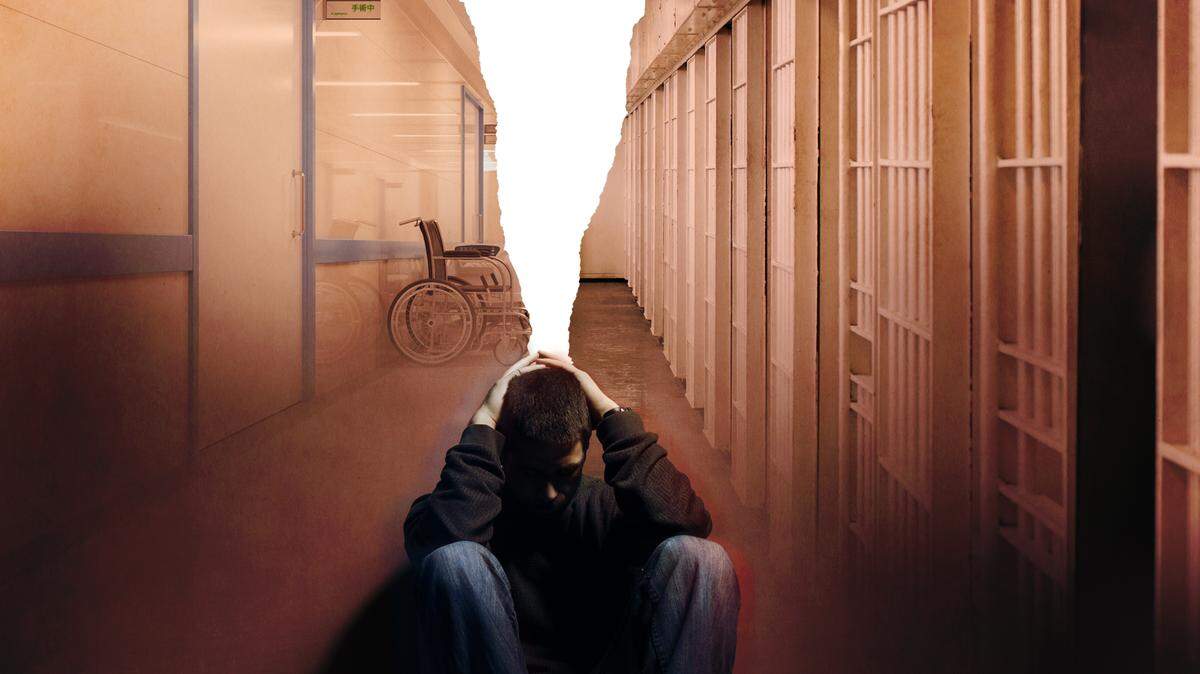
The number of people languishing in Missouri jails waiting for hospital beds to open up continues to rise and state lawmakers this year allocated no additional funding to alleviate the crisis.
Across the state, 302 people are stuck in jails waiting to be moved to a mental health facility for treatment, according to a spokesperson for the Missouri Department of Mental Health.
The individuals were arrested and found unfit to stand trial. But they can’t be sent to a hospital due to a lack of staffing and shortage of beds.
“We put more money towards punishment, but not treatment or prevention,” said Rep. Deb Lavender, a Manchester Democrat. “As a state, we lack empathy for other people’s life challenges.”
The Star in September reported on the crisis for individuals in jail with mental health issues. They are often stuck in limbo in which their legal cases can’t progress until they get treated for their mental illness. And they can’t get treatment until a spot opens up at a hospital.
Their mental health deteriorates in the process. Some never get better, The Star found.
But as family members, hospital leaders, and law enforcement officials call for action, the situation appears to be getting worse. In May 2023, 238 people were waiting for hospital beds to open up. That number jumped to 253 in September, including a man with schizophrenia who had been in jail for more than a year and a half after allegedly stealing a belt from a Walmart.
The figure has now surpassed 300 and individuals are waiting an average of 11 months in jail to get treated in a mental health facility, a spokesperson for DMH said. Twenty-nine individuals are in the Jackson County Detention Center and nine are in Clay County, according to county officials.
Rachel Plaggenberg, the DMH spokesperson, attributed the crisis to a shortage of mental health workers, saying that it has resulted in people in need of mental health care being unable to access it in a timely manner.
“These provider shortages exist both in state facilities, impacting the ability to complete treatment, and the provider community, impacting the ability to access treatment timely and prevent adverse outcomes that result in individuals with mental illness involvement with the criminal justice system,” Plaggenberg said in an email.
Despite the concern, Missouri lawmakers approved a $51.7 billion budget for the next fiscal year that did not include any funding to help DMH alleviate the long wait times.
“We’re so worried about a conservative budget. We’re so worried about cutting taxes,” said Lavender, the Manchester Democrat. “We’re not providing services that should be basic for how the government can help provide an opportunity for people to thrive. Missouri is not thriving.”
She specifically pointed to a large chunk of money — $829 million — that lawmakers cut from the budget that was intended for three health care departments, including the Department of Mental Health. Republican Gov. Mike Parson had requested that money in January.
Lavender, who sits on the House budget-writing committee, attributed the staffing shortage to low pay for workers.
It’s created a situation where lawmakers don’t provide additional funding because the agency isn’t spending all of its money. But it’s not spending all of its money because it can’t hire people to take the jobs, she said.
“It looks like we didn’t spend all of our money. Well, we didn’t spend the money because we don’t have enough in the pot to be able to hire somebody who will do the work,” Lavender said.
Missouri lawmakers last year approved funding for a $300 million psychiatric hospital in Kansas City to try to alleviate the bed shortage. But that facility is still years away and expected to open in 2028.
The state also created a pilot program in Jackson County, Clay County, St. Louis, St. Louis County, and Greene County where DMH can send a team of health care providers to treat inmates directly in jail. That program is still in its early stages in Clay and Jackson counties.
A spokesperson for the Jackson County Sheriff’s Office said in an email that the program had not yet launched as DMH finalizes details with a local service provider. But Jackson County Sheriff Darryl Forté said he was hopeful it would help the community.
“We are committed to developing a comprehensive and effective solution that addresses the challenges faced by our population,” Forté said in a statement. “Despite the current stage of planning, we remain optimistic about the potential benefits this program will bring to our community.”
House Majority Leader Jonathan Patterson, a Lee’s Summit Republican, said in an interview that the rising number of people with mental health issues stuck in jail “underscores what a huge problem treating mental health is in our state.”
“That’s why it’s important for us to invest in it with projects like the new mental health facility that we’re building in Kansas City, which can’t be completed soon enough obviously,” said Patterson, who is poised to be the next speaker of the House.
One of the people affected by the long wait time was Derrick Williams. Williams, who has schizophrenia, was stuck in the Clay County Detention Center for more than a year and a half waiting for a hospital bed to open up.
Williams was arrested after allegedly stealing a belt from a Walmart. A judge ruled that he was not competent enough to stand trial “as a result of mental disease or defect” and should receive treatment at a mental health facility — but no hospital beds were available.
Patricia Tatum, Williams’ mother who had been trying to get her son moved out of jail, previously told The Star that she felt helpless. She was largely left in the dark on her son’s condition and the status of his case.
“I know he’s a man, but he’s my child,” she said then. “He’s not getting the help that he needs and it hurts.”
Four days after The Star revealed his story, he was transferred from jail to a state-operated mental health hospital in Fulton. Court records show that Williams’ case is progressing after being found competent to stand trial last week.