
Weeks after Lawrence enacts plastic bag ban, Kansas Senate advances bill to block it
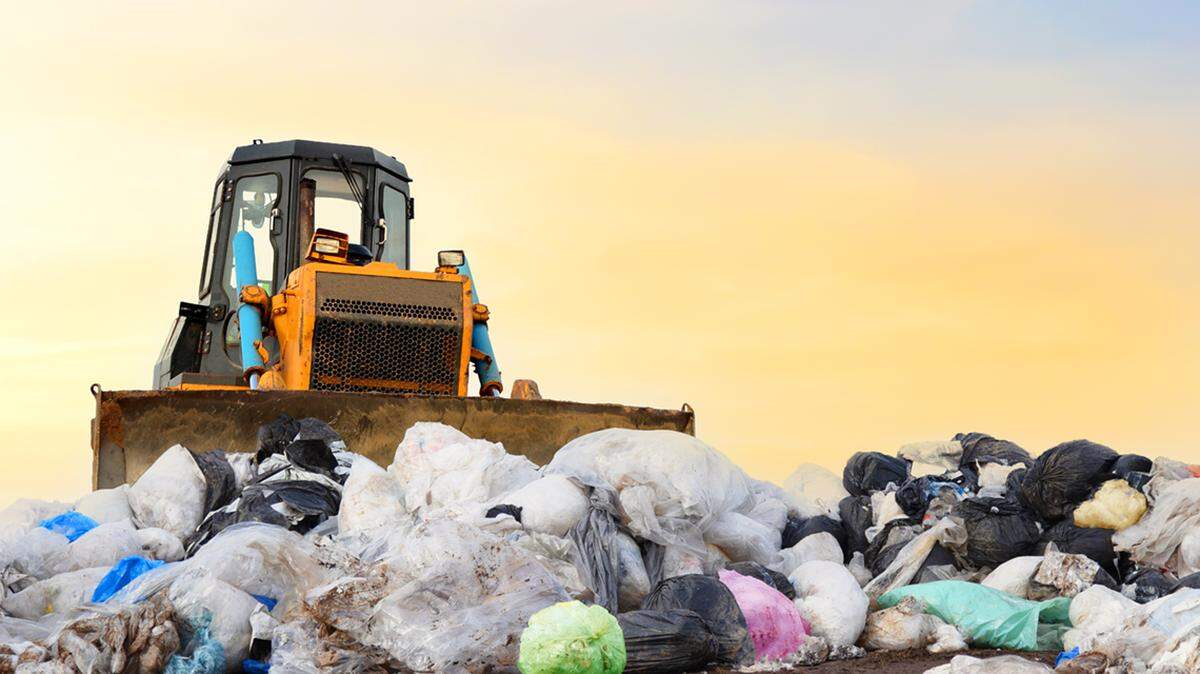
Just weeks after Lawrence enacted a ban on single-use, disposable plastic bags, the Kansas Senate advanced a bill that would prohibit cities and counties from regulating the sale of single-use plastic containers.
The measure passed 24-16 Wednesday.
The bill would prevent cities from regulating the sale of plastic containers such as straws, bags and other single-use plastic containers. While the measure may threaten Lawrence’s local ordinance, it is likely Democratic Gov. Laura Kelly will veto the measure if it reaches her desk. She vetoed similar legislation last year.
Proponents of the legislation say allowing local municipalities to ban single-use plastics would create patchwork legislation within the state that would discourage businesses – especially franchises – from doing business in Kansas. Finding alternatives to plastic bags is expensive and time consuming, they said.
Sen. Mike Thompson, a Shawnee Republican, spearheaded the legislation brought by the Kansas Chamber of Commerce. He said that while there was no specific intent to circumvent Lawrence’s plastic bag ban, the enactment of similar legislation across the state could increase costs for businesses.
“There is a problem here,” Thompson said during a debate on the Senate floor. “The problem is businesses have to adjust their business model and it is increasing costs. It will cause them to avoid those municipalities.”
Twelve states and over 500 cities across the country have enacted bans on plastic bags. Other states – such as Florida, Montana, Idaho, Texas and Minnesota – have preemptively banned any regulation on single-use plastics.
Opponents to the legislation argue the widespread use of single-use plastic bags is not only environmentally unfriendly, but also has drastic economic consequences for communities who must pay to clean up the litter they produce.
Sen. Mary Ware, a Wichita Democrat, pointed to a December 2023 study by the Wichita Single-use Plastic Bag Task Force that found the city could save over $300,000 on plastic bag waste processing costs. The task force also found that a majority of Kansans agree with plastic bag bans.
Ware said the legislation would not only negatively affect the Kansas cities’ economies, but would also yield significant environmental effects, especially because plastics are produced using greenhouse gasses.
“This bill will ensure Kansas stays buried in plastic waste,” she said.
Thompson argued there is a difference between environment and climate, and that the single-use plastics are not causing the climate to change. The issue is primarily economically rooted, he said.
But at the heart of opponents’ concern is that the bill would violate the powers afforded to local municipalities under “home rule” outlined in the state’s constitution. Home rule empowers cities and counties to solve local problems at the local level, and legislate issues relevant to individual communities.
Sen. Marci Francisco, a Lawrence Democrat, argued the bill violates home rule and ignores the will of citizens and municipalities to enact legislation they feel is right for their communities. She added the plastic bag ban in Lawrence is already providing benefits to the community.
“I would hope we would honor constitutional home rule,” she said. “I would hope we would let a community trying to respond to the interests and concerns of their citizens and who have adopted an ordinance that is working well to continue to use that and not try to preempt this approach.”
Thompson said that because the legislation has the potential to create issues with commerce across the state through patchwork legislation, debating home rule is justified.
Zack Pistora, a lobbyist with the Kansas Chapter of the Sierra Club, said the legislation would prevent cities and counties in Kansas from enacting climate legislation at the local level, an area where the state has historically lacked any meaningful legislation.
“They’re taking it into their own hands because the state could very well implement their own waste efforts, but that’s not there,” he said. “So cities try to take advantage of it.”
This story was originally published March 27, 2024 at 11:30 AM.