Kelly’s new Medicaid plan aims to appease Kansas Republicans. It’s still unlikely to pass
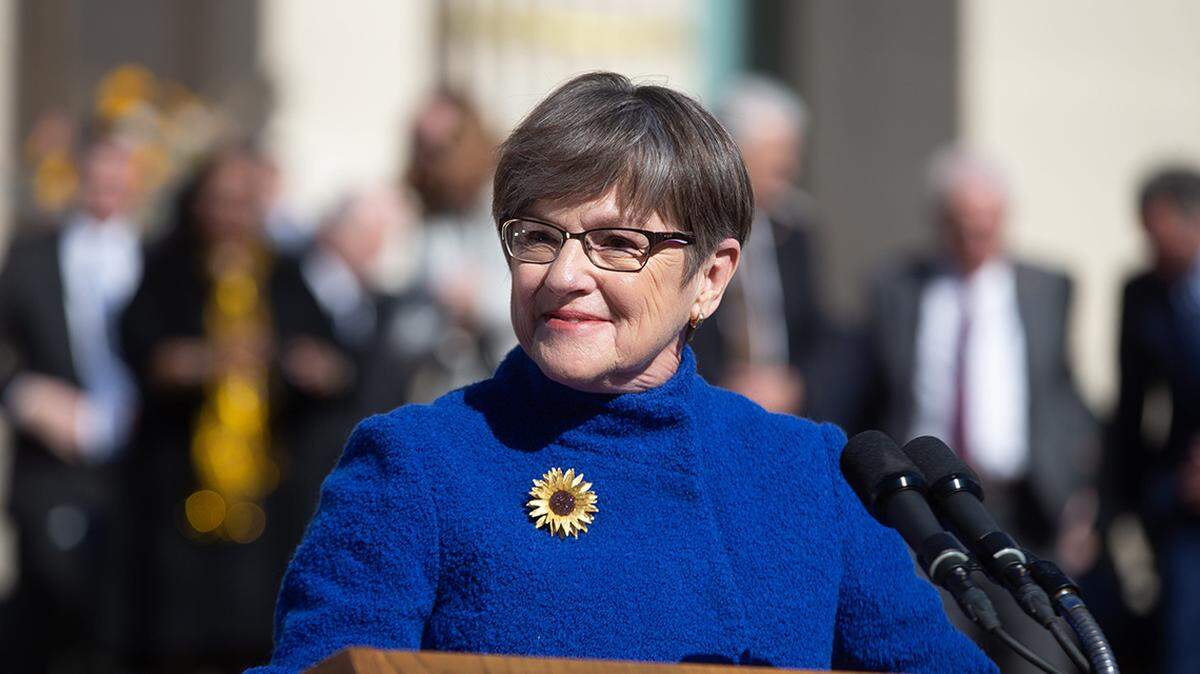
Kansas Gov. Laura Kelly billed her latest Medicaid expansion plan as a policy tailor-made to appease Republican concerns.
The Democratic governor included work requirements for recipients. She said it was designed to be “revenue neutral.” And she included a clause stopping the program if the federal government stops paying its share.
But it is still not likely to become law.
Republican leaders in the Kansas Legislature quickly dismissed the plan following this month’s announcement.
House Speaker Dan Hawkins, a Wichita Republican, and Senate President Ty Masterson, an Andover Republican, said the policy was simply an expansion of welfare to Kansans who could be working. Any work requirement, they said, was certain to be revoked by Democratic President Joe Biden’s administration.
Their response followed a long pattern of opposition and set up the same roadblock Kelly has hit since her first attempt at Medicaid expansion in 2019 – an inability to bring the issue to a vote in both chambers.
In an interview with The Star last week, Kelly said she hoped the series of concessions would bring more Republicans to the table. But she also said her administration was taking a more political approach to the policy after years of failed and stalled negotiations.
“It’s always been my typical, bring people to the table, talk about it, negotiate, collaborate,” Kelly said.
“None of that worked, obviously. So we’ve just taken on a more political approach to it. It’s been nothing but a political issue. There is no good policy, no good budgetary reason not to expand Medicaid, it’s purely political.”
Supporters of Medicaid expansion have long argued the policy would pass if lawmakers could vote on it.
But, first, it must clear a series of procedural barriers that require either the support of anti-expansion leadership or an immense political will to defy that leadership.
“I’m not optimistic that we’ll have the opportunity to vote for it,” said Sen. John Doll, a moderate Garden City Republican who attended the rollout of Kelly’s plan and often votes with Democrats.
Kansas is one of just 10 states in the nation that has not expanded Medicaid which could provide health coverage to upwards of 150,000 Kansans who live just above the poverty line. The program currently provides coverage to disabled and very low income residents. For years polling has indicated broad public support to expand it.
If Kelly’s bill does not become law it will turn into a key campaign issue in a critical election year for state lawmakers. The message will be that Republicans will never come to the table on Medicaid, even if all their primary objections are addressed.
“I think she’s done a good job trying to maybe call their bluff,” said Senate Minority Leader Dinah Sykes, a Lenexa Democrat. “She has tried to alleviate all their concerns.”
Kansas’ best shot at Medicaid expansion came and went in 2020 when Kelly struck a deal with then Senate Majority Leader Jim Denning. But the deal ultimately died, stonewalled by a Senate President who refused to bring the issue for a vote if the House couldn’t pass a constitutional amendment on abortion.
In the years since, the policy has been dead on arrival in the Kansas Legislature. Democrats occasionally attempt to add the policy as an amendment on unrelated health care policies, but it has not been granted a committee hearing in years.
Rep. Brenda Landwehr, a Wichita Republican who chairs the House Health and Human Services committee, indicated that pattern will continue. She said it was more important to focus on improving care for those already on Medicaid.
“The people currently on our rolls are the most vulnerable and that’s where our focus should be,” Landwehr said.
Though Democrats in Kansas have long used Medicaid expansion as a key campaign issue, Rep. Bill Sutton, a Gardner Republican who opposes expansion, said it seemed like the moment of voter enthusiasm on the issue had passed.
“I hear no one coming to me, and no one in my district certainly has come to me and said we want Medicaid expansion,” he said. “No new voices are saying that at all.”
Changes to the Legislature
Procedural maneuvers exist to bring a policy to the floor without a committee hearing or the support of leadership. But those maneuvers are rare in the Kansas Legislature and would require a strong pack of votes to stay together.
Republican and Democratic lawmakers said such a move was unlikely to succeed. Doll said the risk of punishment from leadership is too high.
“You don’t generally like to use those procedures to get a bill out of committee and those types of things, it just rubs everybody the wrong way,” said Sen. Carolyn McGinn, a moderate Wichita area Republican who supports Kelly’s proposal.
Sykes, the Senate minority leader, said such maneuvers don’t tend to work in election years when Republican lawmakers may worry about a challenge from the right.
But, Sykes said, this may be the best version of Medicaid Expansion Republicans could hope for. Democrats are just a few seats away from breaking the Republican supermajority in the House and Senate.
After strong performances in local primaries last month, the party is eyeing competitive Johnson County districts as a pathway to more power.
“I’m cautiously optimistic that Democrats are going to win more seats,” Sykes said. “If we don’t pass something this year and then in 25 would Republicans still get all the things that they say they want out of an expansion plan?”
And Kelly said Medicaid Expansion will become a key piece of messaging strengthened by months of her office’s work to promote the concept of expansion among Kansas voters and business groups.
“If the rank-and-file legislators don’t, you know, form a coalition and put pressure on their leadership to give them an opportunity to debate or vote, or use parliamentary procedural moves to force the vote or debate themselves, then this will be the number one issue going into August and November,” Kelly said.
This story was originally published December 27, 2023 at 6:00 AM.