After scathing ruling, Kansas Highway Patrol argues against rules to prevent rights violations
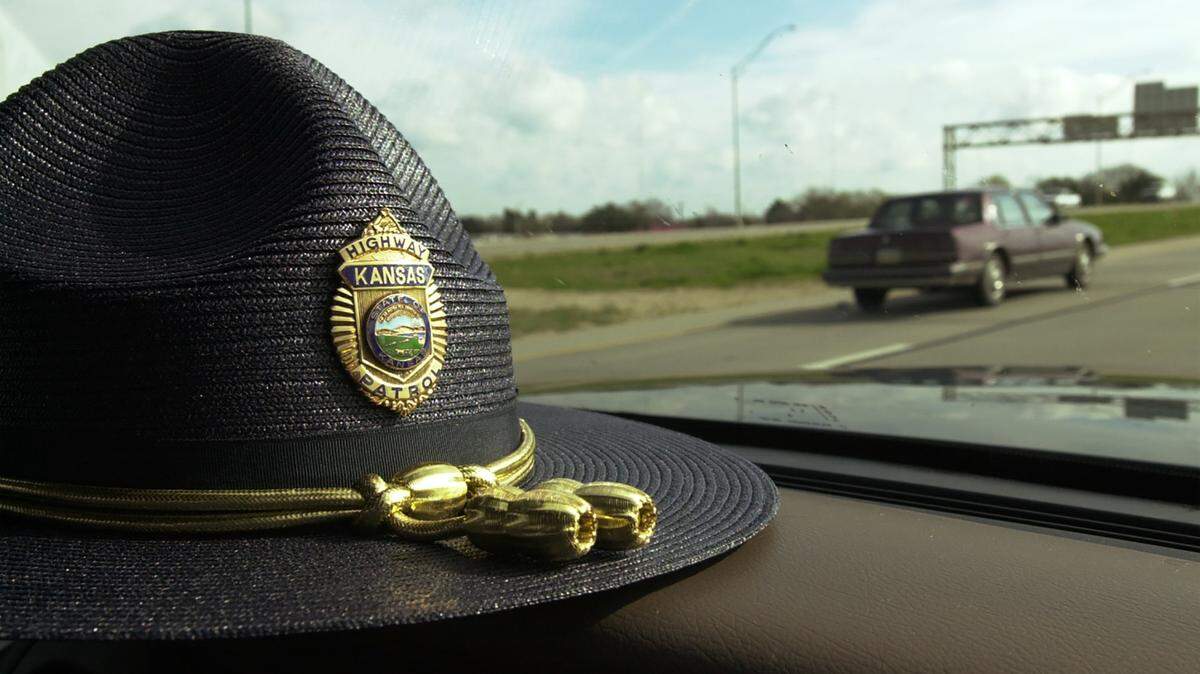
Weeks after a federal judge found the Kansas Highway Patrol had violated drivers’ rights during traffic stops, the agency is pushing back on a set of requirements intended to stop further infringement of civil liberties.
In a filing this week Assistant Kansas Attorney General Stanley Parker argued the requirements, set by Judge Kathryn Vratil in her ruling last month as the possible terms of an injunction, are unnecessary and create too much administrative and financial burden for the agency.
In her ruling last month, Vratil found that troopers had violated drivers constitutional rights through the use of a practice called the “Kansas two-step.” Troopers would take a couple of steps away from a driver’s car after stopping them before turning around in order to start a “voluntary” interaction with a driver giving enough time for backup and drug sniffing dogs to arrive.
The practice was often used on out-of-state drivers suspected of possessing marijuana, which is strictly prohibited in Kansas.
Under the proposed injunction troopers would have to document all stops, detentions and searches including information on the duration of the stop and how it ended. They would need to get approval from a supervisor for consensual searches and let drivers know they can revoke consent at any point. The patrol would be required to give officers a single consistent supervisor who worked the same hours as that officer and provide at least 24 hours of training on stops. The agency would need to hire a special master to oversee their compliance.
The injunction itself, Parker argued, is unnecessary. The damages claimed by the plaintiffs in the lawsuit who were stopped by KHP in the past, he said, can be resolved with monetary damages and existing legal framework that would throw out any evidence obtained through an unconstitutional search.
“The fact that these plaintiffs experienced distress, humiliation, anger and other non-monetary harm does not mean that available legal remedies are inadequate, nor does it mean that such harm is irreparable,” Parker wrote.
Sharon Brett, legal director for the ACLU of Kansas, who represented drivers stopped by the patrol, said Vratil was using her power appropriately to enjoin the highway patrol’s actions and prevent further violations of constitutional rights.
“If an injunction isn’t issued I think there’s a significant concern that the KHP will continue doing precisely the things that the court found to be unconstitutional,” Brett said.
Even if the court determines that an injunction is still necessary, Parker said the existing proposal went too far.
The requirement that officers notify supervisors before conducting searches, he wrote, was impractical given the size of the force and the likelihood that a supervisor may not be immediately available. The agency, he said, does not have the staffing or money to guarantee troopers have the exact same hours as their supervisors.
He called the requirement that troopers tell drivers they can revoke their consent for a search at any time “overkill” because the plaintiffs in the two-step cases did not demonstrate that their rights were violated because they did not know they could end the search.
The ACLU of Kansas will file their response supporting the injunction Monday ahead of a court hearing next month.
This story was originally published August 24, 2023 at 1:01 PM.