Moran proposes federal rules on college athletes’ endorsement deals, medical trust fund
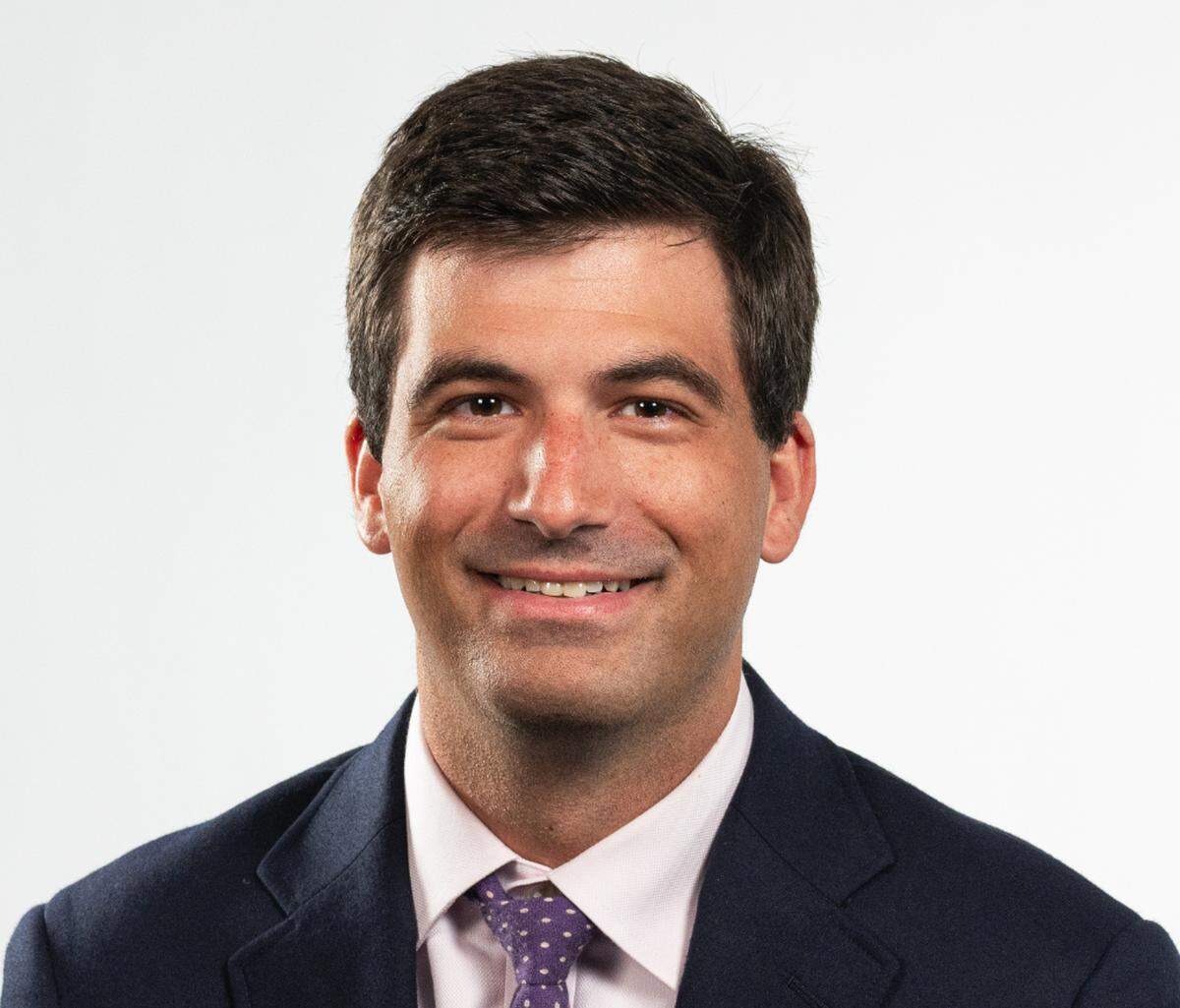
Sen. Jerry Moran, a Kansas Republican, announced Thursday an agreement with two Democratic senators on a federal law to allow college athletes to make money off of their name, image and likeness.
Their draft legislation, which will be formally introduced in September, is an attempt to create a standard set of rules superseding the patchwork set of state laws dealing with how student-athletes can make money from endorsement deals.
Moran teamed up with Democratic Sen. Richard Blumenthal, from Connecticut, and Sen. Cory Booker, who is from New Jersey and played Division I football at Stanford, on a draft bill that would create an agency to regulate endorsement rules, create a medical trust fund for athletes and would ensure athletes still get academic financial aid until they graduate, even in the case of a career ending injury.
“It is no secret that college athletics have grown into an increasingly profitable, billion dollar industry, however the rules surrounding athlete compensation have not been modernized,” Moran said. “Together, Sens. Booker, Blumenthal and I are releasing this discussion draft to empower student athletes while maintaining the integrity of college sports that we all know and love.”
The legislation comes as the NCAA has made a concerted push to pass a federal law regulating endorsement deals for student-athletes, in an attempt from preventing college athletics from becoming a system where the richest schools are able to attract the best athletes.
Earlier this year, it hired former Massachusetts Gov. Charlie Baker in hopes that the former Republican politician would be able to navigate the federal politics surrounding how student-athletes should be compensated in an era where college football and college basketball are major economic boons for top schools.
The new system, where the network of donors that have long propped up athletics programs and now have the ability to pay athletes directly, arose from a 2021 U.S. Supreme Court decision that declared an NCAA rule preventing student athletes from earning money unconstitutional. At least 28 states have now passed laws governing endorsement deals for student athletes, as of 2022, though some states have since repealed their laws.
In states that don’t have such laws, like Kansas, the schools are able to set their own policies.
Greg Sankey, the commissioner of the Southeastern Conference, said this week that Congress needs to adopt guidelines to clean up the fact that each state has its own rules.
“Congressional action is then the only way to provide a national uniform standard for name, image, and likeness activity and to draw the lines around the boundaries that do not become simply pay for play,” Sankey said.
The three senators are hoping for discussion around their bill, which would create a “College Athletics Corporation” to oversee rules and standards for athletes who enter endorsement contracts. It would also require universities to report the revenues and expenditures of each of their athletic programs, along with the hours athletes spend on athletic events, their educational outcomes and their college majors.
It also sets up a medical trust fund that would cover medical expenses for long-term injuries suffered by student athletes. One of the injuries included is chronic traumatic encephalopathy, otherwise known as CTE, a debilitating brain injury from repeated trauma that has been diagnosed in football players. The senators also want to provide a framework to protect athletes’ health and safety, including from the concussions that can lead to CTE.
Coaches, who now have to take endorsement deals into account while recruiting top players, have personally pushed in some states for regulations surrounding the deals.
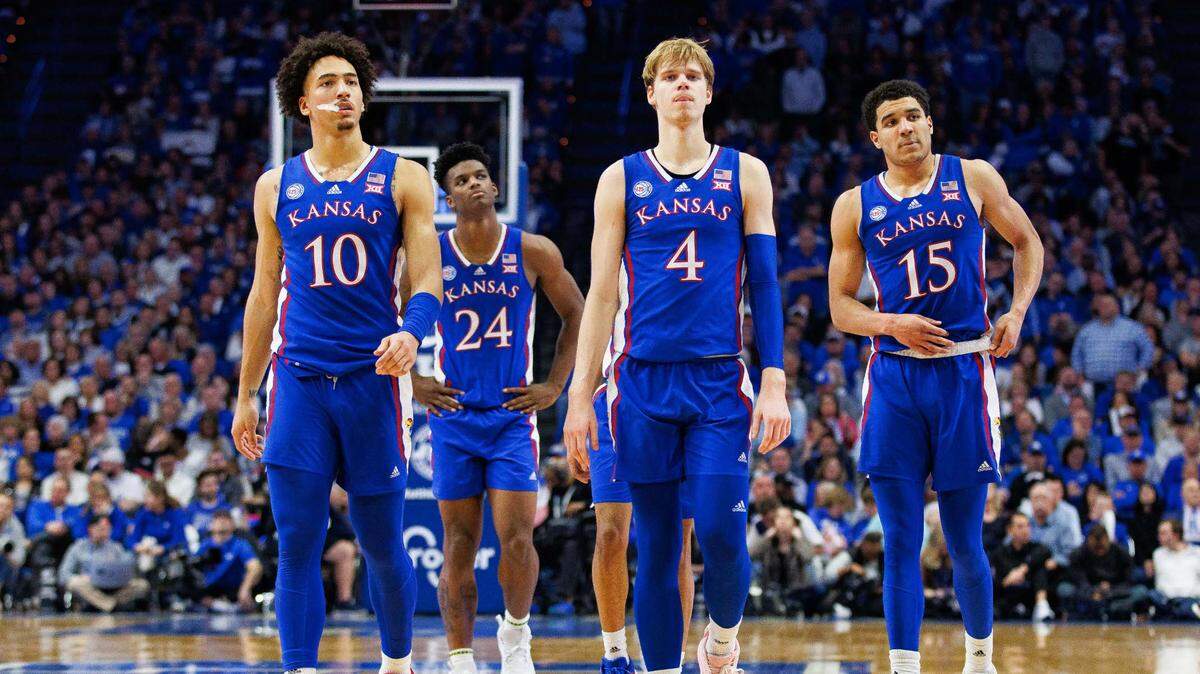
Kansas University men’s basketball coach Bill Self personally called Kansas lawmakers to pass an endorsements bill in 2021. The effort failed to pass the legislature after it was tied to a bill prevent trans women from playing in certain sports leagues.
Meanwhile, Missouri has loose regulations surrounding endorsements. Starting next month, high school athletes who sign with in-state schools will be able to make money from contracts once they sign a national letter of intent.
The Associated Press and Star reporter Katie Bernard contributed to this article.