Missouri lawmakers are headed into the final week of session. Here are five issues to watch
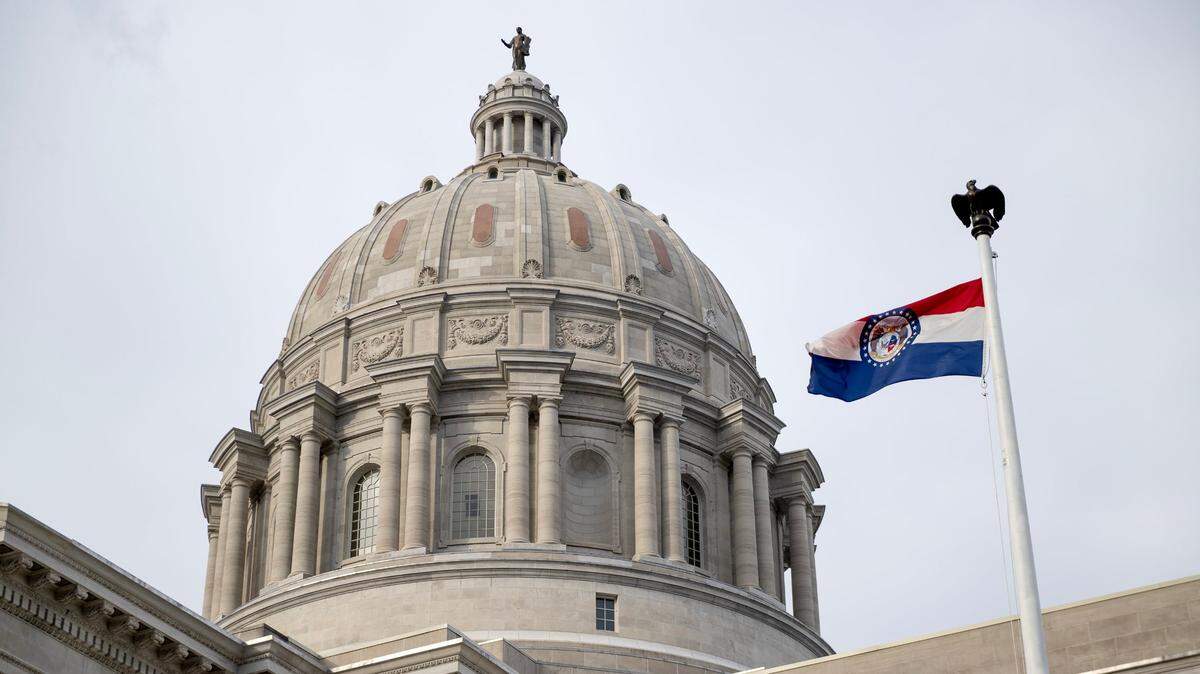
Missouri lawmakers return to Jefferson City on Monday for the last week of the 2023 legislative session with several Republican priorities still unfinished.
And while this year’s session hasn’t been marred by the kind of infighting among Senate Republicans seen in recent years, the future of these controversial proposals will likely depend on whether the two legislative chambers can reach agreement in the next five days.
With a 6 p.m. Friday deadline looming, the unresolved hot-button issues include bills aimed at restricting transgender individuals and their rights, plans to overhaul the state’s initiative petition process, school choice legislation, a bevy of tax cuts and a state takeover of St. Louis police.
“There’s still some stuff that we want to accomplish,” Senate President Pro Tem Caleb Rowden, a Columbia Republican, told reporters on Friday.
Senate Minority Leader John Rizzo, an Independence Democrat, signaled on Friday that it’s unclear whether Democrats — who have filibustered against some of the Senate’s more hard-right policies — would be able to stop some of the GOP priorities in the session’s last week.
“Democrats are here to be the adults in the room,” he said Friday. “Sometimes that means pulling them back from the brink. But it’s only a matter of time before we won’t be able to stop it. Let’s hope that that time is not next week.”
Here’s a look at which bills lawmakers will likely consider before the session wraps up.
Initiative petition
In the wake of Missouri voters approving several liberal-leaning ballot measures, both chambers of the General Assembly have passed proposals to make it harder for voters to amend the state constitution.
Legislative negotiators are hammering out a final version of the plan, which could come to a vote this week.
The House’s version would raise the threshold for voters to change the constitution from 50% to 60%. The versions passed by the Senate would require 57% of the statewide vote or 50% and a majority of the vote in at least five of the state’s eight congressional districts.
Rowden told reporters on Friday that the final plan would most likely include either the increased statewide percentage or the congressional majority language — but probably not both.
“I would assume it lands in one of those two places, I just don’t know where as of yet,” he said.
While raising the initiative petition threshold has been a Republican priority this year, Democrats, voting rights groups and defenders of the current process have framed the legislation as an attack of democracy.
Transgender restrictions
The Missouri House is expected to debate a pair of bills that would ban gender-affirming care for anyone under the age of 18 and bar transgender people from playing in women’s sports.
While both chambers have passed versions of the legislation, Rowden has told reporters that the Senate will not take up any more transgender-related bills this year.
The gender-affirming care bill passed by the Senate is less restrictive than the House version and includes an expiration date for the ban on hormones and puberty blockers and grandfathers in those who were already taking treatments.
The bills are part of a nationwide push by Republicans to restrict the lives of transgender individuals and are likely to result in heated debates in the session’s final week.
If lawmakers cannot reach an agreement on the legislation, Missouri Gov. Mike Parson has vowed to call them back for a special session to get them done.
School choice
Two contentious education bills are both awaiting votes in one chamber before they are approved.
One of those bills, sponsored by Rep. Brad Pollitt, a Sedalia Republican, would implement open enrollment, which allows public schools to opt into a program that lets students transfer between schools. The legislation, which still needs to be passed by the Senate, would also allow schools to cap the number of students to 3% of the previous year’s enrollment number.
Another bill, which includes the so-called “Parent’s Bill of Rights,” would, among other things, allow parents to review a school’s curriculum and create a portal on the Department of Elementary and Secondary Education’s website that shows statistics and information about schools. The legislation still needs to be passed by the House.
The original version of the bill, sponsored by Sen. Andrew Koenig, a Manchester Republican, included language prohibiting the teaching of Critical Race Theory, which is a law school-level concept that looks at how institutions perpetuate racism and is not widely taught in Missouri’s K-12 schools.
That language was stripped out, but the bill still includes provisions that prohibit a school employee from teaching that anyone of any race, ethnicity or national origin is superior, or that people of any race, ethnicity or national origin should bear the guilt of actions committed in the past by others.
Police, crime and guns
St. Louis Circuit Attorney Kim Gardner’s announcement last week that she will resign June 1 has likely dampened Republican efforts to push a bill that would allow Parson to strip prosecutors of their ability to handle violent crimes. Gardner agreed to step down after cutting a deal with lawmakers who agreed to no longer pursue the legislation.
However, other provisions of the sweeping bill appear still on the table, including a Republican-backed plan for the state to take over the St. Louis force.
“I still think we’ll have a conversation about public safety,” Rowden said Friday. “You know, it could look a little different now because of the news from this week.”
Another controversial Republican-backed bill that could be brought up in the Senate this week would allow people to carry guns on public buses and inside churches and other places of worship, chipping away at the list of places where guns are prohibited even with a concealed carry permit.
Other crime-related bills include provisions that would remove the maximum salary cap for the Kansas City police chief, which has received support from members of both parties.
Tax cuts
Just months after Parson in a special session lowered the state’s income tax rate, Republican lawmakers are pushing to lower the rate again and cut taxes on corporations.
A bill which passed the House in March would lower the top state income tax rate from 4.95% to 4.5% starting next year. It also cuts the corporate income tax rate from 4% to 2% next year and allows for future cuts if revenue allows.
The legislation, which is expected to cost the state more than $1 billion once fully implemented, still awaits floor action in the Senate. It faces opposition from budget analysts and Democrats who say the cuts would primarily benefit wealthy Missourians and major companies.